A luxury condominium development on Manhattan’s Upper West Side has emerged as one of the city’s strongest-performing new developments, recording eight signed contracts in July 2026. The sales momentum highlights continued demand for premium residences despite higher costs, limited inventory and new taxes affecting some high-value properties.
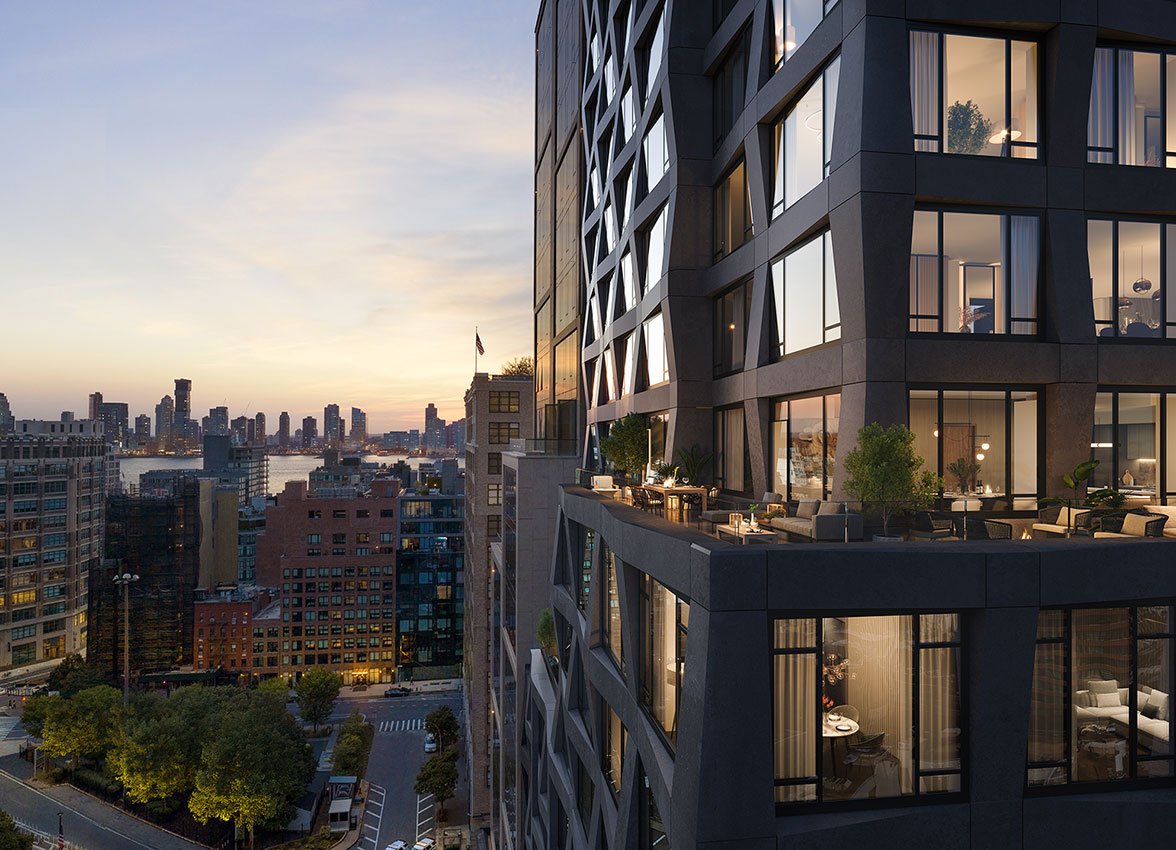
The 131-unit condominium at 250 West 96th Street sits between Riverside Park and Central Park. The development, designed by Danish architect and designer Thomas Juul-Hansen and developed by JVP Management, has attracted buyers with its spacious layouts, premium materials and extensive amenities.
The building was approximately 65% sold following the latest sales activity.
Strong Sales Follow a Development Relaunch
The building had experienced a slower sales period before a new marketing effort helped revive buyer interest. The sales team initially targeted three to four transactions per month, but eight contracts were signed in July.
The momentum continued into August, with several additional high-value residences attracting buyers. Recent transactions included a roughly $4.7 million two-bedroom residence and a $5 million penthouse, although the latter had not yet reached a signed contract at the time of the report.
July sales ranged from approximately $2.48 million for a two-bedroom, two-bath residence to about $4.43 million for a three-bedroom, three-and-a-half-bath home.
The activity demonstrates that well-positioned luxury developments can continue attracting buyers even when broader market conditions create uncertainty.
Premium Materials Help Differentiate the Building
Design has played an important role in the property’s appeal. The building incorporates natural materials throughout its exterior, residences and common areas, creating a combination of contemporary design and traditional Upper West Side character.
The exterior features Jura gray limestone, while interiors incorporate materials such as Travertine marble, Brazilian desert quartzite, bronze and solid oak.
Large windows, bronze-framed glass and generously sized rooms also help distinguish the residences from more compact urban apartments.
The emphasis on durable, high-quality materials reflects a broader trend in luxury real estate, where buyers often look beyond square footage and consider craftsmanship, finishes and the long-term character of a property.
Limited Luxury Inventory Supports Demand
A shortage of new luxury development on the Upper West Side has contributed to the property’s recent sales performance.
The supply of new luxury developments in the area has reportedly declined significantly, while the future pipeline remains limited. High construction costs and the difficulty of assembling suitable development sites are making it more challenging to bring large-scale new projects to market.
For buyers who want new construction in a specific Manhattan neighborhood, limited supply can reduce the number of alternatives available.
This environment can benefit developments that combine a desirable location with modern construction, large residences and extensive amenities.
High-End Buyers Remain Active Despite Tax Changes
Manhattan’s luxury market is also adjusting to new tax considerations affecting expensive second homes. A new pied-à-terre tax for qualifying high-value properties took effect in July 2026.
Despite the additional expense, luxury sales activity has remained relatively strong in some parts of Manhattan. Some wealthy buyers may be purchasing properties intended as primary residences, while others may view the additional tax as manageable in the context of a high-value purchase.
The response suggests that tax changes do not necessarily eliminate demand for premium Manhattan real estate, particularly when inventory is limited.
Amenities Are Becoming a Major Selling Point
Luxury buyers increasingly expect residential developments to provide more than an attractive apartment. High-end amenities can play an important role in demonstrating the lifestyle value of a property.
The Upper West Side development includes a 75-foot indoor saltwater pool, spa facilities, a fitness center and Pilates studio. Residents also have access to a squash and half-basketball court, children’s playroom, music room, entertainment lounge and pet-grooming facilities.
The rooftop terrace is another major attraction, offering views toward the Hudson River and Manhattan’s skyline. Outdoor dining areas, landscaped spaces and an outdoor cinema create additional opportunities for residents to use the property as an extension of their homes.
Buyers Are Looking for More Space
The development has also attracted buyers relocating from outside New York, including individuals from states such as Connecticut, Pennsylvania and California.
While some buyers are moving into luxury condominiums, New York’s housing crisis has also influenced how younger residents approach housing, with many delaying independent homeownership or continuing to live with family.
Large floor plans, oversized windows, generous common spaces and extensive amenities can make luxury condominiums particularly attractive to buyers transitioning from single-family homes.
For these purchasers, the goal may not simply be to move into Manhattan but to maintain a high level of comfort while gaining access to the city’s lifestyle and amenities.
What the Sales Activity Says About Manhattan’s Luxury Market
The property’s performance offers a useful snapshot of the current luxury condominium market. Buyers at the upper end continue to show interest in developments that combine location, quality construction, distinctive design and extensive amenities.
At the same time, limited new supply may make established luxury developments increasingly valuable to buyers who want modern residences in highly desirable neighborhoods.
While individual buildings can perform differently, strong sales at a development that is only a few years old suggest that demand remains present for carefully designed, amenity-rich Manhattan properties.
Conclusion
The recent sales performance of the Upper West Side condominium demonstrates that demand for luxury Manhattan real estate remains resilient despite higher ownership costs and changing tax conditions.
A combination of limited new supply, desirable location, spacious residences, premium materials and extensive amenities has helped the development attract buyers, including affluent purchasers relocating or downsizing from larger homes outside New York City.
As construction costs remain elevated and fewer new luxury projects enter the pipeline, well-designed developments in established Manhattan neighborhoods may continue to command attention from buyers seeking high-quality residences.
FAQs
Limited inventory, desirable locations and strong demand for high-quality residences can continue to attract affluent buyers even when taxes and other ownership costs increase.
High-end developments may include pools, fitness centers, spas, landscaped rooftops, entertainment areas, sports facilities, children’s rooms and other lifestyle-focused amenities.
High construction costs, expensive land and the difficulty of assembling suitable development sites can make new luxury projects challenging to develop, limiting the future supply of high-end condominiums.