New York Fashion Week is traditionally associated with designers, runway shows and new collections, but technology is playing an increasingly important role in how the fashion industry operates. From artificial intelligence and fraud prevention to customer insights and product discovery, technology is changing how brands make decisions and interact with consumers.
This evolution is taking center stage during New York Fashion Week 2026 as the New York Fashion Tech Lab introduces its largest group of participating companies to date. Known as The 2026 Collective, the initiative brings together 11 women-led B2B technology companies working on challenges across fashion and retail.
The initiative highlights how technology is moving beyond the traditional boundaries of ecommerce and becoming increasingly connected to merchandising, operations, customer relationships and business strategy.
NYFTLab Introduces The 2026 Collective
The New York Fashion Tech Lab is marking its 13th year by expanding its traditional cohort structure. The 2026 Collective features 11 women-led B2B technology companies selected to address practical challenges facing retailers and fashion brands.
The companies will make their collective debut on September 10 during New York Fashion Week at The Penthouse at NeueHouse in New York City. The event is being co-hosted with N4XT Experiences and held in partnership with Convene Hospitality Group and AWS.
The companies were also scheduled to receive exposure at the Nasdaq Tower in Times Square on September 9.
More than 200 retail executives, investors, Lab alumni and members of the media are expected to participate in the event, creating opportunities for the companies to connect with potential partners and industry decision-makers.
According to NYFTLab, the objective is to encourage greater collaboration between emerging B2B retail technology companies and established retail leaders as the industry continues to evolve.
From a Traditional Cohort to a Larger Collective
NYFTLab was created to support women-led businesses developing technology at the intersection of fashion and retail. The program connects emerging companies with retailers and brands that can help test, validate and develop their solutions.
Over the years, more than 90 B2B retail technology startups from more than 20 countries have participated in the Lab. Alumni companies have collectively raised more than $550 million in capital.
The 2026 program represents a shift in scale. Instead of relying on a single traditional cohort, companies were selected following presentations to retail and brand executives during sessions in April and June at the SAP Experience Center in New York.
The 11 selected companies then completed five weeks of curated programming with NYFTLab and its partners.
Retail and brand organizations involved in the initiative include AEO Inc., Gap Inc., J.Crew Group, Kohl’s, lululemon, Saks Global, The TJX Companies, VF Corporation and Steve Madden. Strategic partners include SAP, Manatt and J.P. Morgan.
The participating companies cover a broad range of retail challenges, including data management, profitability, fraud prevention, authentication, product discovery, customer engagement, loyalty, inclusivity and consumer feedback.
AI Is Changing Retail Operations
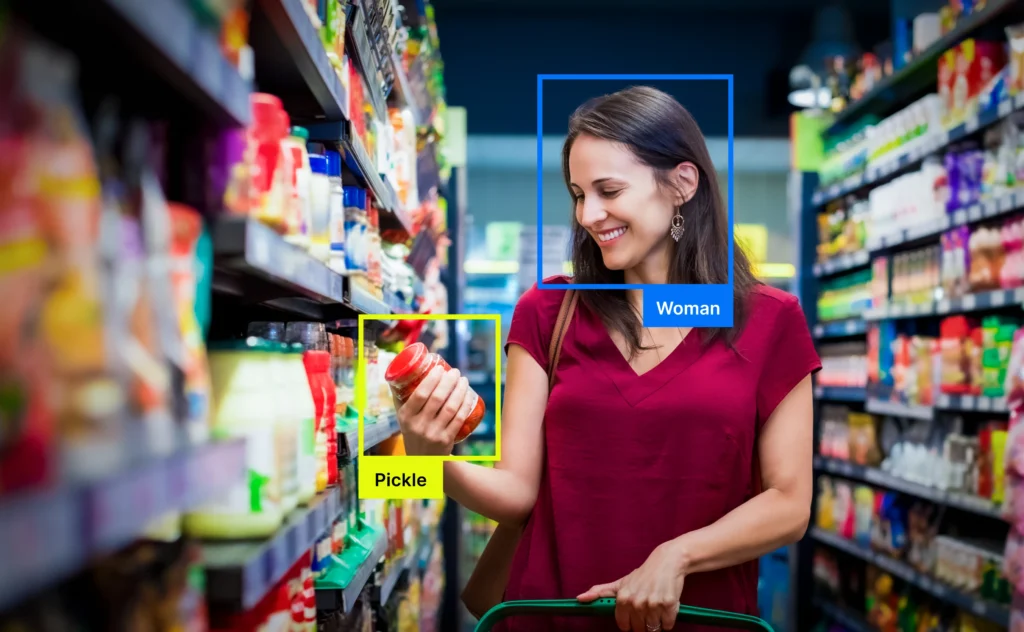
Artificial intelligence is becoming an important part of retail operations, but its implementation also creates new demands for quality control and oversight.
Spur, led by CEO Sneha Sivakumar, uses AI browsing agents to automate quality assurance. The technology is designed to help retailers manage increasingly complex digital environments involving multiple storefronts, brands and regions.
As retailers make digital changes more frequently, manually checking every customer-facing experience can become difficult to scale. Automated quality assurance can therefore help businesses identify issues more efficiently.
However, the adoption of AI also raises questions about measurement and accountability. Simply introducing an AI system does not necessarily create business value. Retailers need clear objectives, processes and methods for evaluating whether the technology is delivering measurable results.
Product Data and Profitability Remain Key Challenges
Technology is also being applied to problems that exist further upstream in the retail process.
Atronous, founded by Niru Anisetti and Jayashree Dutta, focuses on product data management and upstream insights for global commerce. Managing accurate and consistent product information can become increasingly complicated as retailers expand across markets, channels and product categories.
Maeve, founded by Phoebe Gormley, approaches retail technology from a profitability perspective. Its technology uses fragmented data to help retailers identify products and areas of their business that may not be generating sufficient value.
These solutions demonstrate how retail technology is increasingly focused on operational decision-making rather than simply improving the customer-facing side of ecommerce.
AI Also Introduces New Fraud and Security Concerns

While artificial intelligence can create efficiencies, it can also introduce new risks.
Wyllo, co-founded by Alex Shamir, focuses on fraud detection and risk scoring related to returns, claims and customer abuse. One emerging concern is the use of generative AI to create convincing images that may be used to support fraudulent claims about damaged merchandise.
Rather than applying identical rules to every customer, technologies focused on behavioral and identity signals can help retailers distinguish legitimate transactions from potentially suspicious activity.
Authentication is another area undergoing change.
Hawcx, led by CEO and co-founder Riya Shanmugam, is developing passwordless authentication for people as well as emerging AI agents. As artificial intelligence becomes more involved in product searches, purchasing and digital transactions, retailers will need new approaches to identity, authentication and trust.
Ecommerce Experiences Are Becoming More Dynamic
The online shopping experience is also changing as artificial intelligence gives brands new ways to present products.
AIUTA, led by CEO Maísa Benatti, is working on technology that allows fashion brands to create more dynamic visual experiences. Instead of relying on a fixed collection of product images, brands can potentially present products across different models, settings and styling scenarios.
This approach could make ecommerce experiences more adaptable to individual shoppers.
Veristyle, founded by Ria Chakrabarti, focuses on retail intelligence for AI-driven search and product discovery. As consumers increasingly use new digital interfaces to find products, brands will need to consider how their products appear within evolving search and recommendation environments.
Together, these technologies point toward an ecommerce landscape where product presentation and discovery may become more personalized and responsive.
Retailers Are Looking for Better Customer Insights

Collecting large amounts of data is no longer the only priority for retailers. Understanding the quality and relevance of customer information is becoming increasingly important.
Rediem, founded by Regan Plekenpol and Sarah Ganzenmuller, focuses on helping brands build direct relationships with consumers through participation, conversations, feedback and community experiences.
Siren, led by CEO Audrey Hansen and COO Olivia Davis, concentrates on the period after a purchase. Its platform gathers post-purchase information through customer conversations, giving brands greater visibility into the customer experience between an initial transaction and a potential repeat purchase.
TruRating, founded by CEO Georgina Nelson, collects immediate customer feedback at the point of purchase and connects it with transaction information.
These approaches reflect a growing interest in actionable customer signals rather than simply accumulating more data.
Technology Is Helping Brands Better Understand Diverse Consumers
Understanding different consumer groups is another area where technology is influencing retail strategy.
SeeMe Index, led by CEO and co-founder Asha Shivaji, evaluates representation across more than 700 dimensions, including skin tone, hair type, ethnicity, ability and body size.
For fashion brands, this type of information can help evaluate whether products, marketing materials and customer experiences effectively reflect the communities they aim to serve.
The broader idea is that inclusivity can increasingly be evaluated through data and incorporated into business decisions rather than treated solely as a marketing campaign.
Why Technology Is Becoming More Visible During NYFW
The inclusion of The 2026 Collective during New York Fashion Week reflects the increasingly close relationship between fashion and technology.
Fashion Week may remain centered on creativity and design, but technology now influences many stages of the industry. Product development, supply chains, ecommerce, customer engagement, merchandising and marketing all rely on increasingly sophisticated digital systems. At the same time, broader economic pressures can influence how businesses approach costs, logistics and supply-chain planning, as seen in the growing energy concerns linked to Canada trade tensions facing New York.
Bringing emerging technology companies into the NYFW environment gives founders an opportunity to engage directly with retailers, investors, brands and other industry professionals.
It also reinforces a broader change in the fashion business: innovation is no longer limited to what consumers see on the runway. Some of the most significant changes are taking place behind the scenes, where technology is helping companies manage costs, improve operations, understand customers and respond to changing shopping behaviors.
What The 2026 Collective Says About the Future of Fashion Retail
The companies participating in NYFTLab’s 2026 Collective operate across very different areas, but several common themes emerge.
Retailers are looking for ways to protect margins while improving efficiency. They are also dealing with new challenges involving artificial intelligence, digital fraud, identity, product discovery and customer relationships.
At the same time, consumers increasingly expect relevant experiences, easier digital interactions and greater representation.
The technologies showcased through The 2026 Collective illustrate how startups are attempting to address these issues with specialized solutions rather than relying on one technology to solve every retail problem.
Conclusion
New York Fashion Week 2026 is providing a platform for more than fashion collections and creative direction. Through the New York Fashion Tech Lab’s 2026 Collective, the event is also highlighting the growing influence of technology across the retail industry.
The 11 participating women-led companies demonstrate how emerging technologies are being applied to quality assurance, product data, profitability, fraud prevention, authentication, ecommerce visualization, customer insights and inclusivity.
As fashion and retail continue to evolve, the relationship between creativity and technology is likely to become even more important. The future of fashion will not only depend on what brands create, but also on how effectively they use technology to produce, present, sell and improve those products.
FAQs
The New York Fashion Tech Lab is a program designed to support women-led companies developing technology for the fashion and retail industries. It connects emerging technology businesses with retailers, brands and industry professionals.
The 2026 Collective is scheduled to make its debut on September 10, 2026, during New York Fashion Week at The Penthouse at NeueHouse in New York City.
The participating companies cover a range of technologies and applications, including artificial intelligence, quality assurance, product data management, fraud detection, authentication, visual ecommerce, customer feedback, loyalty and inclusivity analytics.