A dependable electrical system is essential for keeping your home safe, comfortable, and energy-efficient. However, like any part of a home, electrical systems can experience wear and tear over time. Many common electrical problems develop gradually and, if left unaddressed, can lead to expensive repairs, reduced performance, or safety concerns.
For homeowners throughout New York, understanding what causes these issues and taking a proactive approach to electrical maintenance can help extend the life of your electrical system. This guide explores the most common electrical problems found in New York homes, explains why they occur, and shares practical tips to help prevent them.
Why New York Homes Are More Prone to Electrical Problems
Many homes across New York, particularly older brownstones, townhouses, and historic properties, were built decades before today’s electrical demands. Modern households rely on multiple appliances, home offices, entertainment systems, and smart devices that place greater stress on older electrical systems.
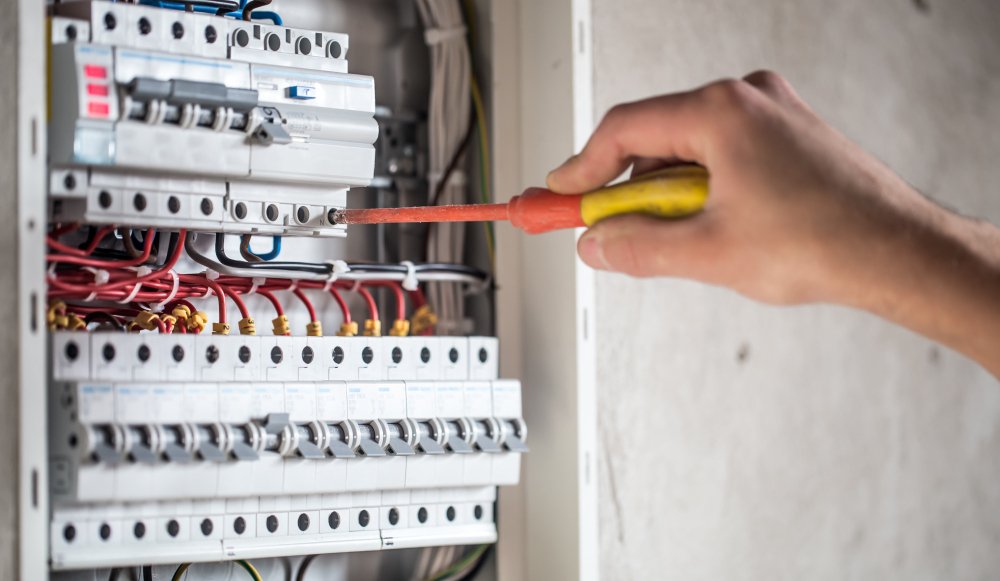
Seasonal weather also plays a role. Thunderstorms can contribute to power surges, while harsh winters and humid summers may affect wiring and electrical components over time. Without routine electrical maintenance, small issues can gradually develop into larger problems that affect both safety and performance.
Most Common Electrical Problems
Homeowners in New York often encounter similar electrical issues as their homes age or electrical usage increases.
Overloaded Circuits
One of the most common electrical problems is overloaded circuits. This happens when too many appliances or devices draw power from the same circuit, increasing the risk of breaker trips and overheating. Adding dedicated circuits for high-powered appliances can help prevent overloads.
Power Surges
Power surges occur when voltage temporarily spikes above normal levels. While major storms can cause surges, they can also result from large appliances cycling on and off or issues with the utility supply. Installing whole-home surge protection helps safeguard electronics and appliances.
Faulty Wiring
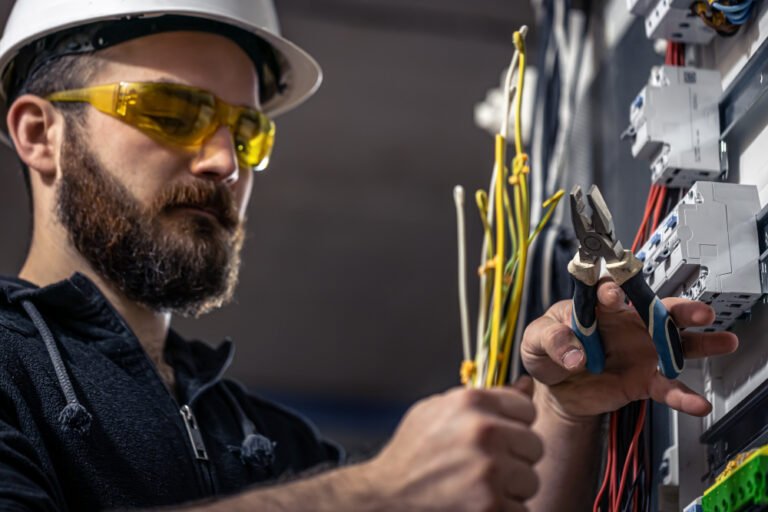
Faulty wiring may develop due to aging materials, poor installation, or physical damage. Loose or deteriorating wiring reduces system reliability and can create safety risks if not repaired promptly.
Aging Electrical Panels
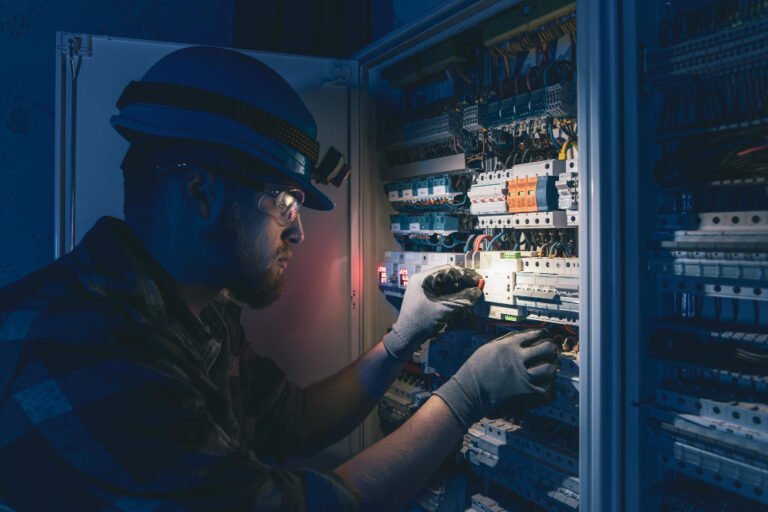
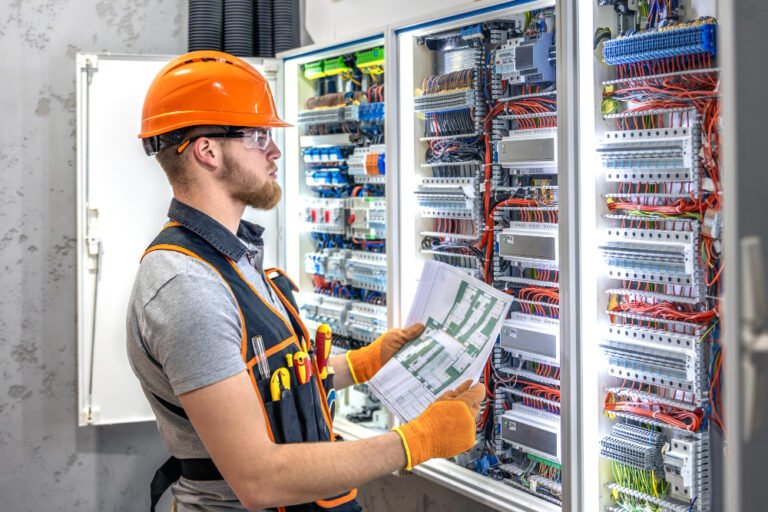
Older electrical panels may no longer provide enough capacity for modern households. Upgrading an outdated panel improves electrical performance and helps accommodate increased energy demands.
Worn Outlets and Switches
Frequent use naturally wears down outlets and switches over time. Replacing worn electrical devices helps maintain safe and reliable operation throughout the home.
GFCI Outlet Failures
Ground Fault Circuit Interrupter (GFCI) outlets are designed to protect against electrical shock in kitchens, bathrooms, garages, and outdoor areas. Faulty or outdated GFCI outlets should be tested regularly and replaced when necessary.
Loose Electrical Connections
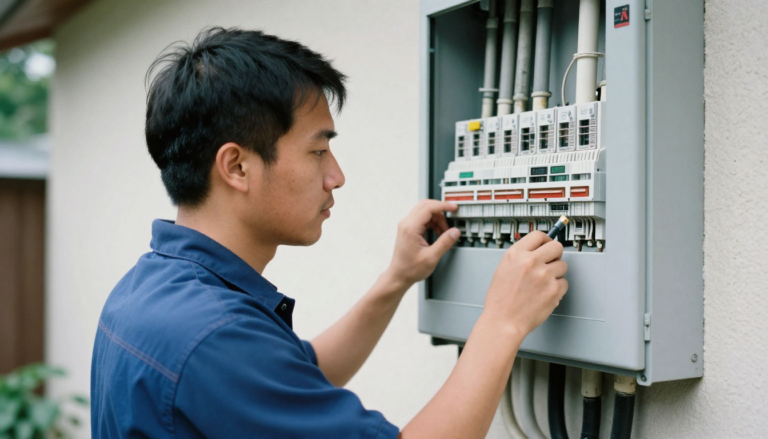
Loose electrical connections can develop as homes settle or wiring ages. Routine inspections help identify these issues before they affect electrical performance.
How to Prevent Electrical Problems
The best way to avoid costly repairs is through preventive care. Regular electrical maintenance helps identify potential issues before they become major concerns.
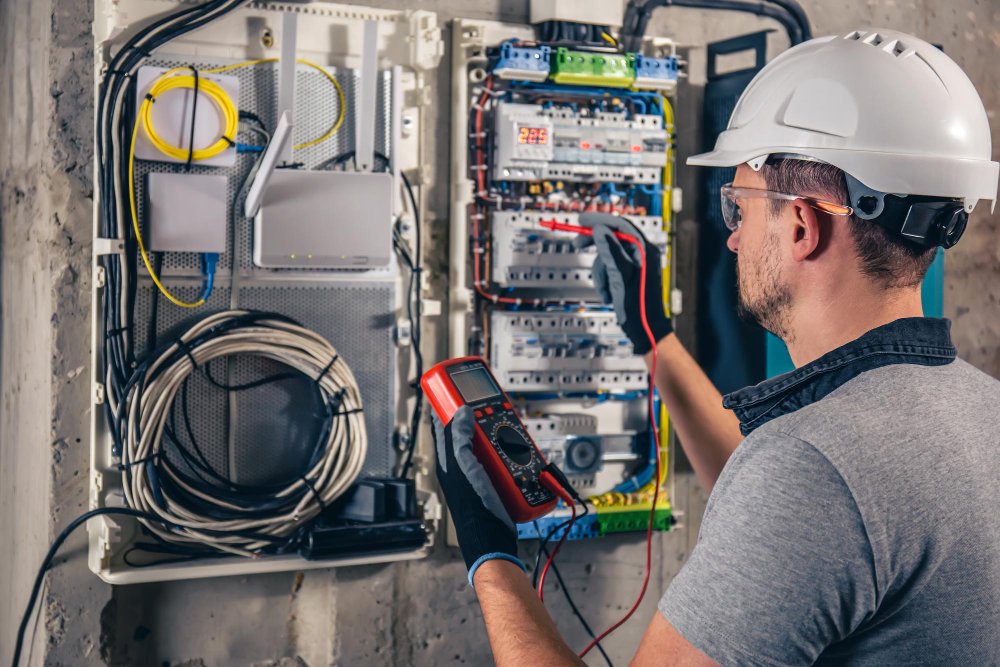
Homeowners can reduce the likelihood of common electrical problems by:
- Scheduling professional electrical inspections every few years
- Avoiding overloaded circuits by distributing appliances across multiple outlets
- Installing whole-home surge protection to minimize power surges
- Replacing aging outlets, switches, and electrical panels
- Upgrading faulty wiring in older homes
- Testing GFCI outlets monthly
- Using dedicated circuits for large appliances
- Avoiding DIY electrical work unless properly qualified
Preventive maintenance helps improve electrical safety while extending the lifespan of your home’s electrical system.
Importance of Regular Electrical Maintenance
Routine electrical maintenance offers more than just peace of mind. It helps identify worn components before they fail, improves energy efficiency, and reduces the likelihood of unexpected electrical repairs.
For homeowners in New York, regular maintenance is especially valuable in older homes where electrical systems may not meet today’s energy demands. Professional inspections can also verify that your home’s electrical system continues to comply with current safety standards.
When to Call a Professional Electrician
Rather than waiting for a problem to become an emergency, homeowners should schedule a professional inspection whenever significant electrical upgrades or maintenance are needed.
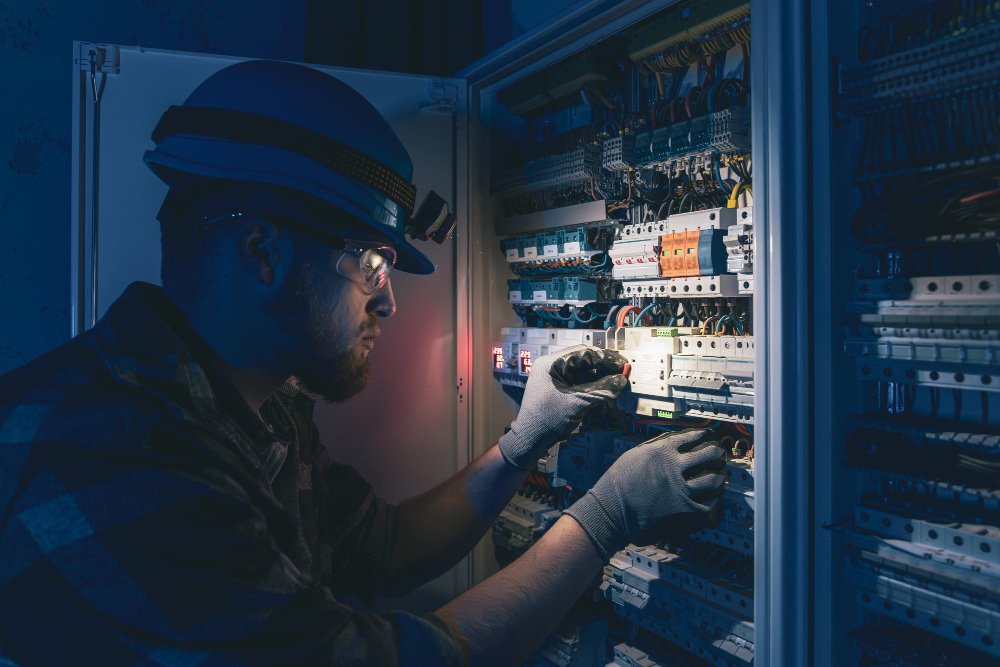
Consider contacting a licensed electrician if you are:
- Planning a home renovation or addition
- Installing an EV charger
- Upgrading major appliances
- Replacing an outdated electrical panel
- Purchasing an older home
- Preparing a property for sale
- Adding outdoor lighting or security systems
- Scheduling routine preventive maintenance
Professional electricians can identify hidden issues and recommend upgrades that improve safety and long-term reliability.
How Much Do Common Electrical Repairs Cost in New York?
Repair costs vary depending on the complexity of the work, accessibility, materials, and labor rates throughout New York.
| Electrical Repair | Typical Cost Range |
| Electrical inspection | $150–$400 |
| Outlet replacement | $100–$300 |
| Light switch replacement | $100–$250 |
| Circuit breaker replacement | $150–$500 |
| Wiring repair | $200–$1,500+ |
| Whole-home surge protection | $300–$900 |
| Electrical panel upgrade | $2,000–$5,000+ |
Obtaining multiple estimates from a licensed electrician can help homeowners compare pricing and choose the most appropriate solution for their electrical needs.
Conclusion
Many common electrical problems, including overloaded circuits, power surges, and faulty wiring, can be avoided with proactive planning and routine electrical maintenance. Keeping your home’s electrical system in good condition not only improves safety but also helps prevent unexpected repairs and extends the lifespan of electrical components.
Whether you own a historic brownstone in New York City or a newer home elsewhere in New York, investing in regular electrical inspections and preventive maintenance can help ensure your electrical system continues to operate safely and efficiently. Taking a proactive approach today can save time, money, and potential safety concerns in the future.
Frequently Asked Questions
One of the most common electrical problems is an overloaded circuit, which occurs when too many devices draw power from the same circuit. This can cause frequent breaker trips, overheating, and reduced electrical performance.
Signs of electrical issues include flickering lights, frequently tripping circuit breakers, burning smells, buzzing outlets, dead outlets, and unexpected power surges. If you notice any of these problems, it’s best to have your electrical system inspected by a licensed electrician.
The four main types of electrical faults are open circuit faults, short circuit faults, ground faults, and overload faults. Each can affect your home’s electrical system differently and should be diagnosed and repaired by a qualified electrician if they occur.