Your electrical panel is essentially the center of your house’s electrical system. It distributes electricity to all parts of your home in a safe manner. As the electrical requirements grow with modern-day appliances, home office, electric vehicle charger, and smart home systems, the old electrical panel may not be able to cope with such demands. This leaves many homeowners confused about whether a repair will work or if an upgrade to their electrical panel is the right move to make.
Homeowners in New York, particularly those with old houses, can learn more about the difference between repairing and replacing an electrical panel to ensure safety and avoid further electrical problems. This guide can help you understand when you need to replace your electrical panel, breaker box, or fuse box.
What Does an Electrical Panel Do?
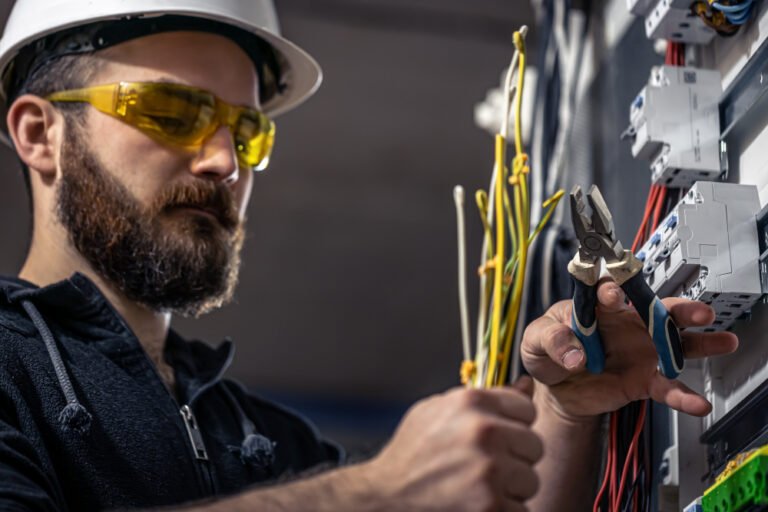
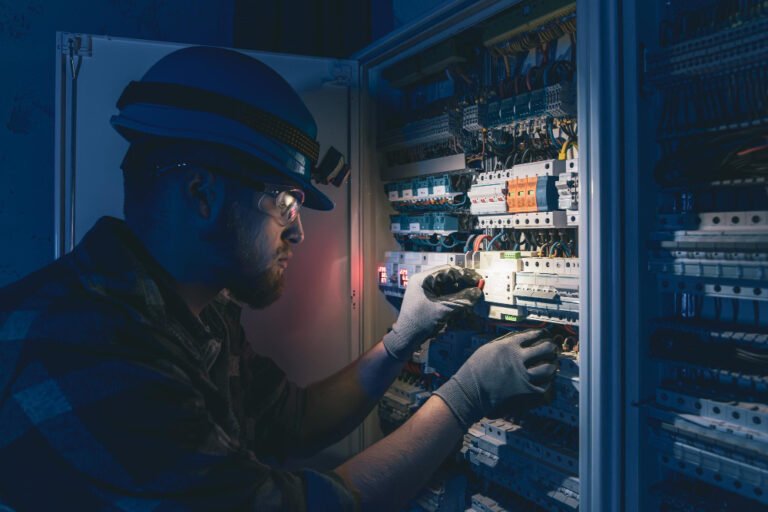
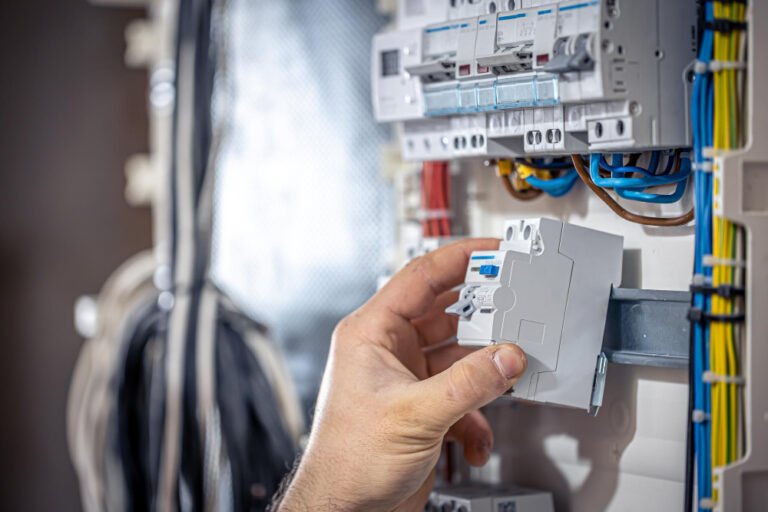
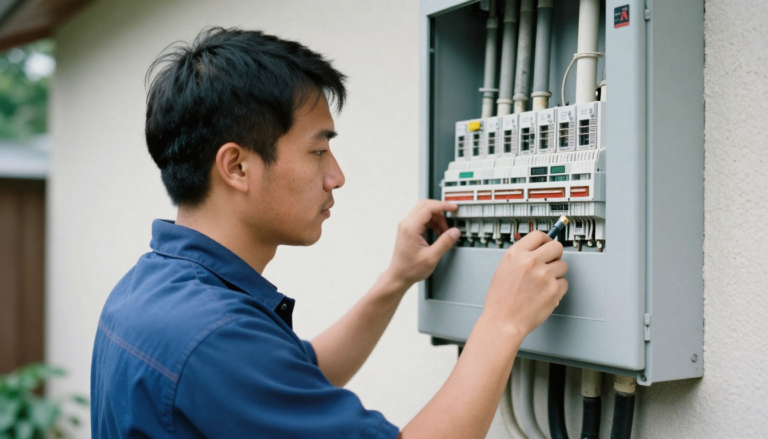
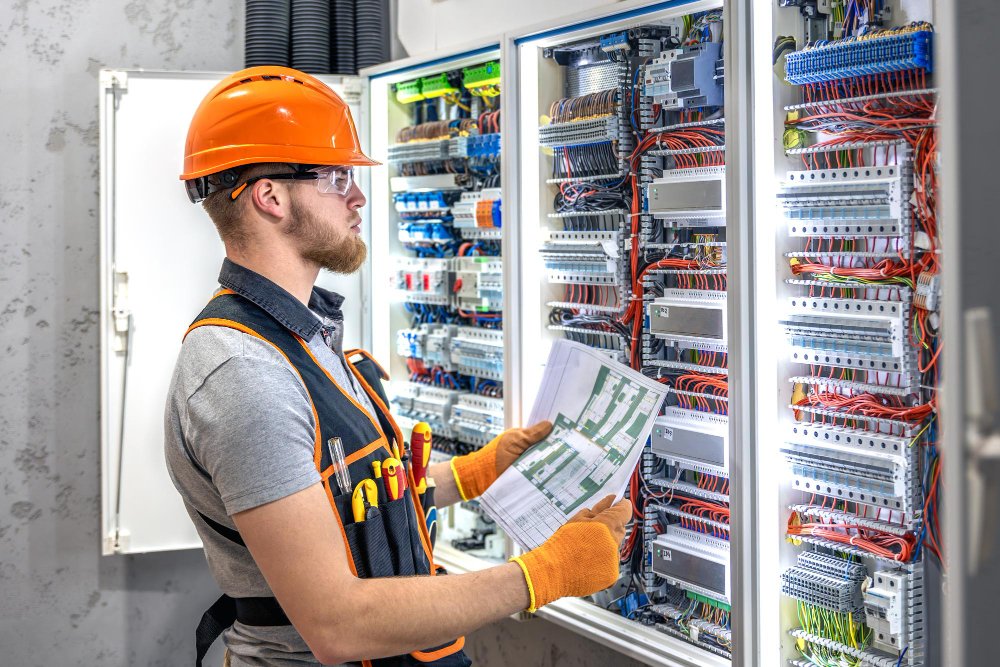
The electrical panel, which is also referred to as the breaker box, is the point where the electricity is supplied from the electric company into the different circuits in your house. The electrical panel is also used to protect the electrical system in your house since it has circuit breakers that cut off electricity supply when there is a fault in the circuit.
As more electrical devices are installed in a house, there is need for the electrical panel to be capable of handling the increased electricity requirements. If you are not familiar with residential electrical systems, then home electrical services will give you a good insight.
Common Signs Your Electrical Panel Needs Attention
Electric panels usually last for several years without issues, but as they get older or the electrical needs of the home surpass their capabilities, issues may arise.
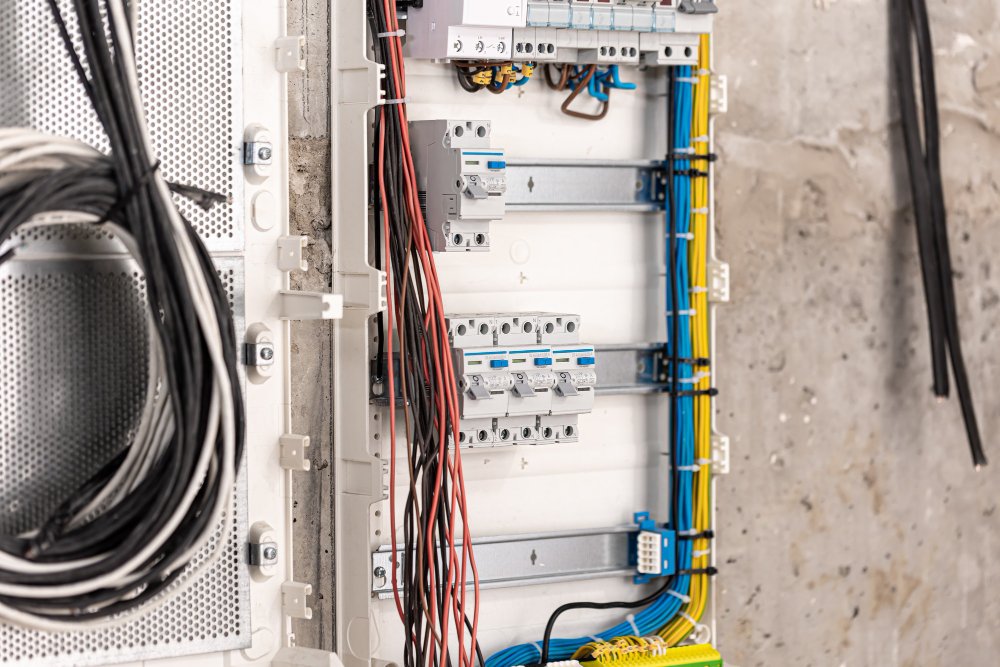
Some other common signs include:
- Repeated tripping of circuit breakers
- Flickering of lights
- Burnt odors emanating from the electrical panels
- Heated up breakers with a different coloration
- Rusting inside the panel
- Strange crackling or buzzing sounds
- Old fuses box that requires replacement
- Limited space for additional installations
These problems can also serve as common electrical repair warning signs, as well.
Electrical Panel Repair vs. Electrical Panel Upgrade
Replacing a breaker box isn’t always necessary in order to solve electrical panel issues, and there is no right answer until you factor in the age and condition of the box.
| Electrical Panel Repair | Electrical Panel Upgrade |
| Replaces damaged breakers | Installs a higher-capacity panel |
| Fixes loose connections | Increases electrical capacity |
| Repairs minor component failures | Replaces outdated equipment |
| Lower upfront cost | Long-term safety and reliability |
| Suitable for newer panels | Recommended for aging or overloaded systems |
Where the individual faults can be fixed, the upgrading of the electrical panel becomes more worthwhile if the existing panel cannot provide enough safety for today’s use.
When Is an Electrical Panel Upgrade the Better Choice?
If there is a need to upgrade the electrical panel in your house, you should do it in case your house has outgrown its capabilities.
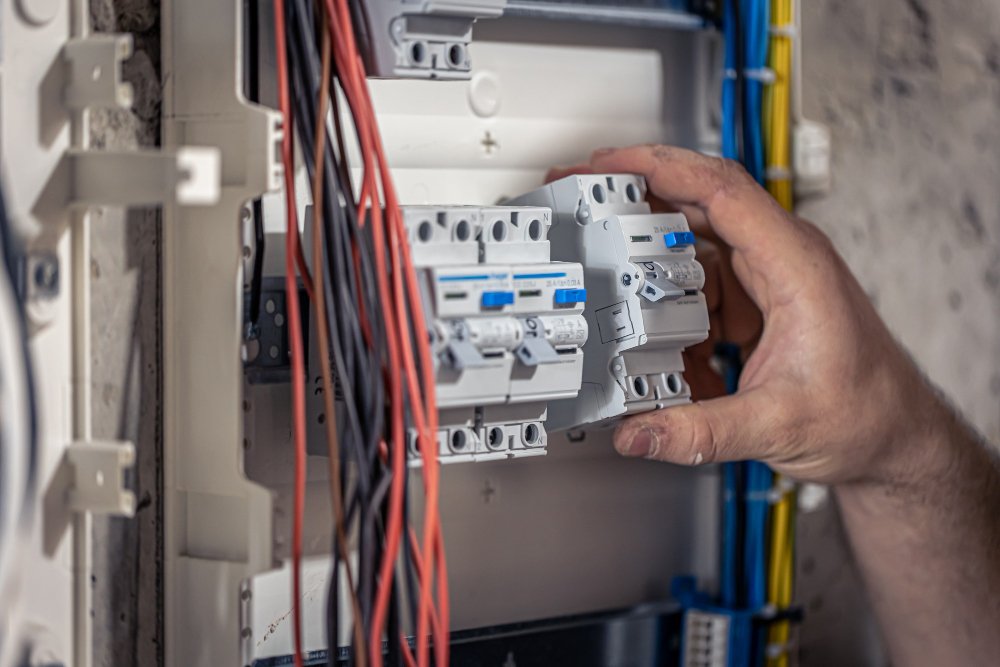
A breaker box upgrade can be considered if you have a:
- Older NY home with 60-amp or 100-amp electrical system
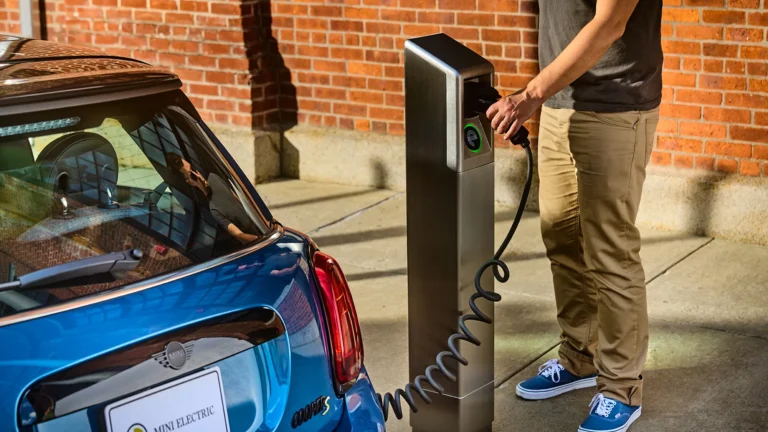
- EV charging station installation in the home
- Home renovation
- Installation of electric heating or other major appliances
- Home office installation with several electronics
- Frequent tripping of breakers due to increased electricity consumption
- Future home improvement plans that will require more power
A breaker box upgrade increases your power capacity while ensuring compliance of your home’s electrical system with modern requirements.
When Can an Electrical Panel Be Repaired?
Replacement of the electrical box may not be necessary if the electrical box is fairly new and only a few components in the entire electrical system are faulty.
Electrical repairs may be necessary in situations such as:
- A faulty circuit breaker
- Loose electrical connection
- Corrosion on the box that has not interfered with its operations
- Damage on the bus bars or other electrical parts
- Specific electrical fault determined by inspection
Only a qualified electrician is able to determine whether repairs are necessary or upgrading of the box is more beneficial..
Electrical Panel Replacement vs. Fuse Box Replacement
In many houses in New York, fuse boxes can be found in place of newer breaker panels. Although fuse boxes are traditional, they were never meant to meet the electrical demands of today’s world.
Fuse box replacement requires that one gets rid of the old fuse box and replace it with a new breaker panel. Electrical panel replacement will also be needed if your breaker panel is no longer working or meets the electrical code requirements.
Older equipment replacement can lead to better electrical efficiency, make maintenance easier, and give enough space for new appliances.
Electrical Panel Upgrade Costs in New York
The cost for installing a new electrical panel will depend on the size of the panel, labor, permits, and how difficult the installation is.
| Service | Typical Cost Range |
| Circuit breaker replacement | $150–$500 |
| Electrical panel repair | $300–$1,000 |
| 100-amp panel upgrade | $1,500–$3,000 |
| 200-amp electrical panel upgrade | $2,000–$5,000+ |
| Electrical panel replacement | $2,000–$5,500+ |
| Fuse box replacement | $2,000–$5,500+ |
Fees can be different in New York State based on the required permits, labor fees, and the status of the existing electric system.
Benefits of Upgrading Your Electrical Panel
An investment in improving the electrical panel yields many benefits other than merely expanding its capacity.
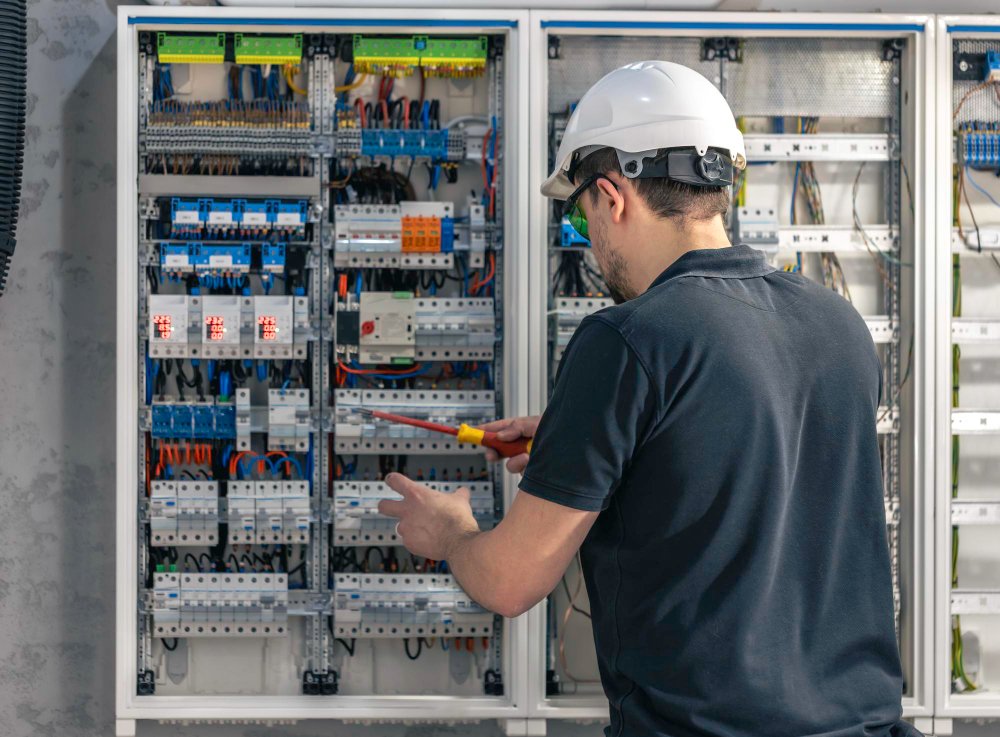
Some of the most important advantages are as follows:
- Enhanced electrical safety
- Less chances of overloading
- Support for modern devices
- Ability to accommodate EV charging stations and smart home systems
- Higher energy efficiency
- Reliability with reduced breaker trips
- Adherence to electrical codes
- Value addition for future resale
For many property owners, updating their electrical panels is one of the investments that can improve the safety and performance of their homes.
How to Choose the Right Solution
The decision to either repair or replace the electrical panel is based on the following factors: the age of the panel, the nature of the fault, and the upcoming electrical requirements.
Repair would be the best course of action where:
- The panel is quite new.
- The fault is localized to a breaker or small component.
- The current electricity load capacity is adequate.
Whereas an electrical panel upgrade or electrical panel replacement should be undertaken when:
- Your panel is older than 25-30 years.
- You continue to have a fuse box.
- You encounter issues with overloaded circuits quite often.
- You are planning a renovation or installation of large appliances.
- Your panel doesn’t provide sufficient capacity for your household needs.
An electrical inspection will help you identify the best course of action.
Conclusion
An electrical panel replacement vs. electrical panel repair ultimately comes down to what your home needs, the quality and age of your current panel and what the future holds. Whereas small problems might just be repaired, the age of the panel itself, old fuse boxes and increasing demand for electricity will determine whether a replacement or a breaker box upgrade is the better choice.
Upgrading the old electrical panel is just one way to address problems and concerns in many homes throughout New York, as it increases capacity and allows for future technologies such as EV charging and smart homes. In cases where there is confusion about which solution to choose, a licensed electrician will be able to assess the situation.
Frequently Asked Questions
The approximate average cost of an electrical panel replacement varies between $2,000 to $5,000 and beyond. It all depends on the size of the panel to be replaced and the complexity of the installation process among other factors.
Yes, in most cases, it is possible to replace the electrical panel in your house without rewiring the whole house provided that the wiring in your house is in good condition and complies with the present safety standards.
It could be a good idea to conduct a rewiring test in homes where the electric wiring is anywhere between 30 and 50 years old. The state of the wiring and electricity use among other things are much more important than age.
Some of the common symptoms include breaking of circuits often, flickering lights, rusting and corrosion, burning smell, outdated fuse box or inadequate power for today’s electrical devices. This could be an indication that an inspection of your electrical panel is needed.