The pet economy in New York City is developing into something beyond just an economic enterprise based on pet food packages, collars, and toys. Increasingly, owners are spending on their pets’ healthcare, health products, grooming, nutritional needs, medication, and other such services which cater specifically to the needs of the animals. These developments have opened up new avenues in the consumer economy of the city in a number of sectors, while at the same time generating questions on issues of cost and regulatory frameworks.
Pet Care Evolutionary Beyond the Conventional Pet Store
The pet care market of today is evolving into a wellness industry. There are businesses and services available in New York that cater to all kinds of requirements related to veterinary medicine and pet grooming, among other specialties including dietary needs, supplements, behavior, therapy, rehabilitation, and medications. This evolution is also indicative of the new approach toward keeping pets in households. According to The New York Times, in 2025 there has emerged a pet wellness market encompassing supplements, specific diets and pet products based on certain concerns related to the pets’ well-being. These may include anxiety, joint health and longevity. At the same time, veterinarians have warned about certain wellness products making claims that may not be proven scientifically. Nevertheless, for business it is clear that the definition of pet product is changing.
Veterinary Care Is an Important Factor in the Developing Market
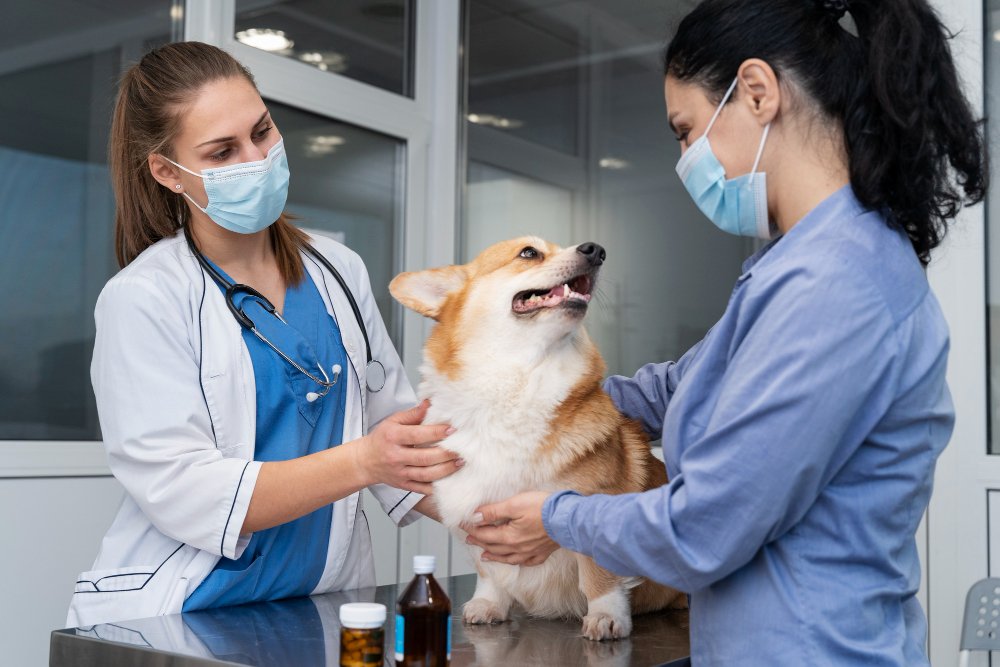
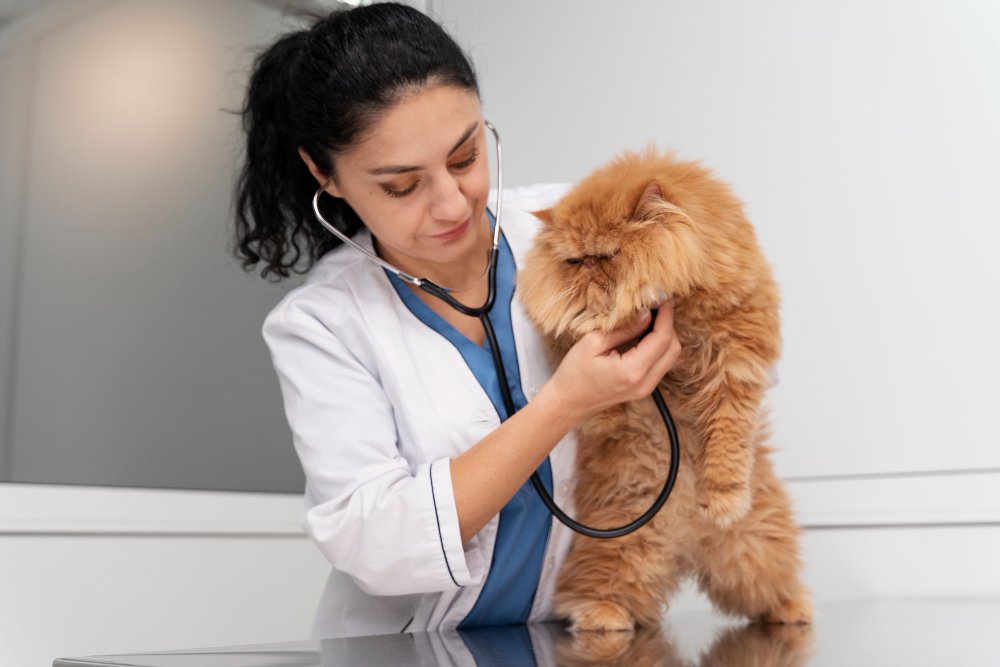
Veterinary medicine forms the core of this evolving economy. The Schwartzman Animal Medical Center in New York City, for instance, finished the second phase of a $125 million development project in 2025. The medical facility is the only Level One Veterinary Trauma Center in the city. Specialized veterinary care may include such procedures as emergency services, surgical operations, diagnostic services, physical rehabilitation and continuous treatment of chronic diseases. As specialization of veterinary services increases, this leads to the development of other related business areas, such as specialty pharmacies, pet transportation, pet insurance, pet nutrition and home visits by veterinarians. For pet owners, all this translates into a number of options. However, this may also increase expenses significantly.
The Cost Issue Is Gaining Ground
The increasing trend in the pet industry does not necessarily imply that all services provided to pets are affordable for all residents of New York. As per the latest report of the New York City Comptroller, there were 15,412 dogs and cats sheltered by the city in FY 2025, which was an increase from 14,627 in FY 2023. The issue of increased costs of veterinary services, food, and other costs of owning a pet is one of the factors that can influence the decision on purchasing or maintaining a pet. Thus, there is a dilemma within the industry. Customers want advanced care of their pets, but the cost of veterinary services and specialized products prevents access to such services.
A Changing Retail Environment
The retail pet market in New York City is also changing as a result of regulatory measures. As of December 15, 2024, pet stores within the state of New York are no longer allowed to sell dogs, cats, and rabbits under the Puppy Mill Pipeline Act. The regulations for the city were updated to take account of this change. The pet store can still continue doing business, but the range of animals that can be sold is significantly different. It alters the nature of the traditional pet store, making them not dependent on animal sales any longer. The businesses have a reason to compete in terms of products, services, and customer relations.
The Development of Specialized Products Leads to the Emergence of More Niches
Another trend is related to the emergence of more products targeting health or behavior issues of individual pets. The owner can choose the product offering few ingredients for sensitive animals, some special product for the good state of teeth, calmative for nervous pet, etc. The compounding pharmacy is one of such specialized services. The prescription of the veterinary doctor may involve some specific reformulation of the drug in order to make it more easily applicable. This creates an additional link between the practice of veterinary doctors, pharmacies, and owners of pets, which would have been less obvious in the context of traditional pet shops. But here lies an essential difference: a specialized product is not necessarily a substitute for veterinary recommendation. With the growth of the market of pets’ health care, veterinarians and regulators keep stressing the need to assess the claims made by the product before using it.
Convenience is Becoming a Competitive Advantage
The other aspect of the growing pet industry is convenience. Being a dense city, New York provides the potential for services such as delivery and house visits. If the pet owner does not have a car, then it may be hard to move a sick or nervous pet around the city. For people who are working, house visits will make sense because they do not want to make yet another trip. House visits for veterinarians have been around in New York for decades, and it still makes sense to owners looking for a more personalized approach. Convenience is being made possible by digital booking and delivery, thus becoming part of the bigger pet-care industry experience.
Specialization Is on the Way in the Pet Economy of New York
In this sense, the pet economy of the city will not stay with traditional providers of food and other supplies. Veterinary medicine, specialty pharmacies, grooming, training, nutrition and wellness items, pet insurance, technology and home services – all these factors make a part of a much bigger ecosystem, where some businesses cater to everyday needs, while others focus on customers who are willing to pay extra for specialized needs. At the same time, it is important to notice that the animal welfare system of the city shows how crucial the issues of affordability and accessibility are. In 2025, for example, New York City allocated $1 million to Animal Care Centers of NYC for increasing the capacity of the shelters and for providing additional training for the personnel. This mixture of increasing consumer demands, new types of services and the issues of affordability makes a perfect ground for the next generation of the market. From this perspective, the challenge for New York-based businesses is not to offer one more ordinary product for pets but solve the certain problem of the owner.
Considering the nature of cities where there is lack of space and time, together with the attitude of people who consider pets to be members of the family, the future of pet economy might include personalization, convenience, and specialty treatment instead of just food and accessories.