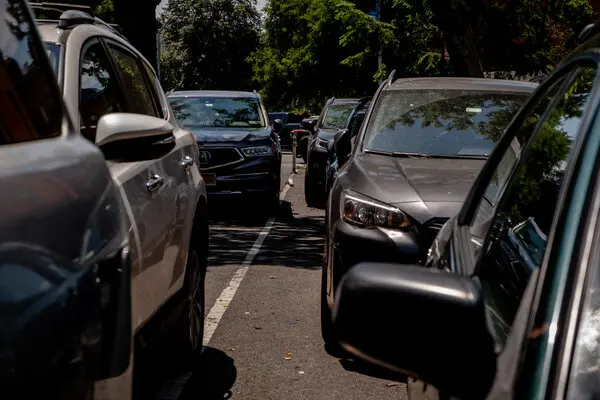
Alternate-side parking has long been a familiar part of life for drivers in New York City. Residents must regularly move parked vehicles to give sanitation crews access to the curb, but the frequency of these restrictions can be a source of frustration for people who rely on street parking.
A pilot program in Prospect Heights, Brooklyn, is now testing whether street-cleaning requirements can be reduced without affecting the cleanliness of local streets. The experiment could offer useful insights into how parking regulations and sanitation services can be balanced more effectively.
Prospect Heights Introduces a Reduced Parking Schedule
Under the pilot program, drivers on certain blocks in Prospect Heights are required to move their vehicles once a week rather than twice.
The program began in August 2026 and is scheduled to run for several weeks. Following the trial, the city’s Sanitation Department is expected to assess whether the reduced schedule has maintained existing cleanliness standards.
The results could help determine whether the less-frequent parking restrictions should become permanent in the participating areas.
Why Alternate-Side Parking Exists
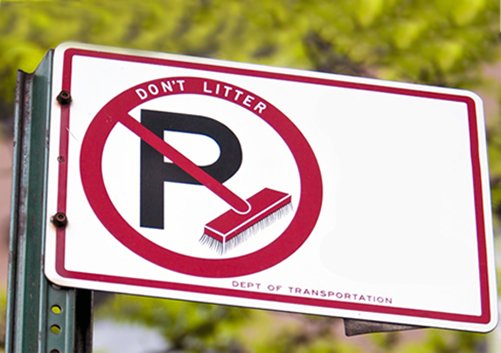
Alternate-side parking rules allow sanitation workers to reach sections of the curb that would otherwise be blocked by parked vehicles. Moving cars on designated days gives street-cleaning crews an opportunity to sweep streets and collect debris.
Although the system plays an important role in maintaining public spaces, it can be inconvenient for drivers. Residents may have to plan around specific days and times, move their vehicles repeatedly, and sometimes search for another parking location nearby.
The frequency of these requirements can vary between neighborhoods, which has prompted some residents to question whether every area needs the same schedule.
Comparing Prospect Heights With Nearby Neighborhoods
The Prospect Heights pilot was influenced in part by differences in parking rules between neighboring communities.
In Prospect Heights, residents on participating blocks previously faced multiple alternate-side parking days each week. Nearby Park Slope, however, has a schedule requiring drivers to move their vehicles less frequently.
The comparison has raised a broader question: Can sanitation departments maintain clean streets while reducing the disruption caused by parking regulations?
The pilot provides an opportunity to examine that question using conditions in a specific Brooklyn neighborhood.
Residents Could Benefit From Fewer Required Car Moves
For people who depend on street parking, reducing the number of required vehicle moves could make daily routines easier.
Drivers would have fewer scheduled parking disruptions and would spend less time moving vehicles simply to comply with street-cleaning rules. The change could be particularly helpful for residents with demanding work schedules or limited access to private parking.
At the same time, reducing cleaning days could potentially create concerns about accumulated litter and debris if sanitation crews do not have sufficient access to the curb.
That is why the cleanliness results of the pilot will be just as important as the convenience benefits.
The Sanitation Department Will Evaluate the Results
The success of the experiment ultimately depends on whether streets remain adequately clean under the reduced schedule.
The Sanitation Department can compare conditions during the pilot with previous cleaning patterns and evaluate whether fewer parking restrictions still provide sanitation crews with enough access.
If street conditions remain satisfactory, the program could demonstrate that some areas may not need as many alternate-side parking restrictions as they currently have.
If cleanliness declines, the city may determine that the existing frequency is necessary or that other adjustments are required.
A Larger Conversation About Parking and Urban Life
The Prospect Heights experiment reflects a broader challenge faced by dense urban neighborhoods. New York must balance several competing needs, including street cleanliness, parking availability, transportation, residents’ convenience, and efficient use of public space.
Parking regulations can have a significant effect on daily life because they influence when and where residents can leave their vehicles. Even a small reduction in required car movements can therefore have a noticeable impact on a neighborhood. For residents exploring Brooklyn beyond its parking and transportation issues, the borough also offers a wide range of distinctive local experiences, including an unconventional seafood dining experience in Brooklyn.
At the same time, clean streets remain an important public-service priority. Any changes to parking rules need to ensure that sanitation standards are not compromised.
Could the Pilot Influence Other Neighborhoods?
If the Prospect Heights trial produces positive results, other New York neighborhoods could potentially examine whether similar changes are appropriate for their streets.
However, the ideal schedule may not be identical across the city. Neighborhood density, street conditions, traffic patterns, parking demand, and the amount of debris generated can all influence sanitation needs.
A successful pilot could therefore provide a model for more flexible, neighborhood-specific approaches rather than a single citywide rule.
Conclusion
The Prospect Heights alternate-side parking pilot is testing whether New York City can reduce the burden on drivers while continuing to maintain clean streets. Requiring vehicles to move once a week instead of twice gives residents greater convenience while allowing city officials to evaluate whether fewer cleaning restrictions are sufficient.
The results could help shape future discussions about parking regulations and sanitation across Brooklyn and other parts of New York City. Ultimately, the most effective approach will need to balance residents’ everyday needs with the city’s responsibility to maintain safe and clean public streets.
FAQs
Alternate-side parking is a New York City parking system that requires vehicles to be moved during designated periods so sanitation crews can clean the curb and roadway.
The pilot is testing whether streets can remain sufficiently clean when residents on participating blocks are required to move their cars less frequently. It also responds to concerns about the inconvenience created by multiple weekly parking restrictions.
Potentially. If the Prospect Heights pilot shows that streets can remain clean under a reduced schedule, the results could inform discussions about similar approaches elsewhere. However, each neighborhood has different parking and sanitation conditions that would need to be considered.