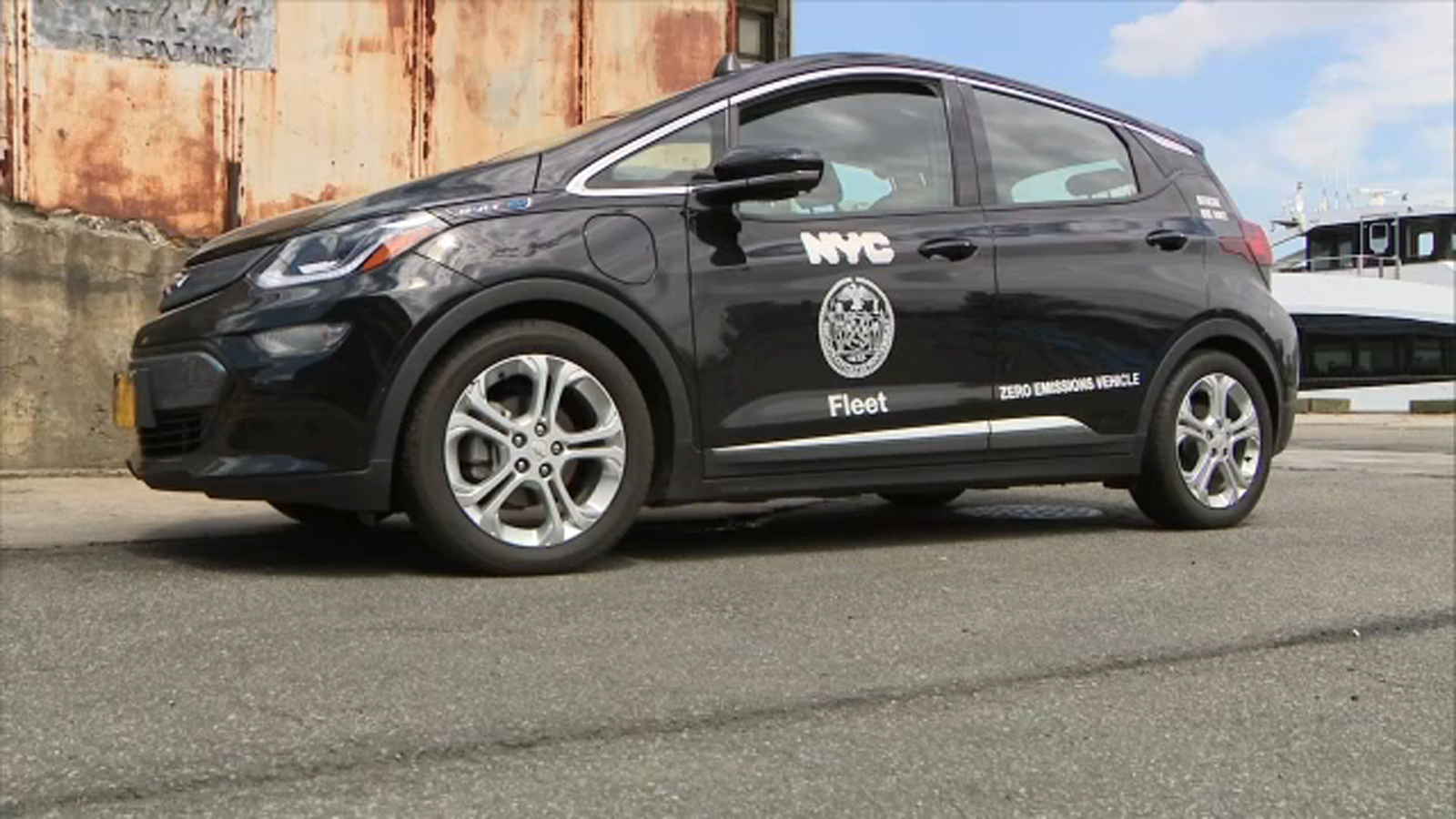
New York City is taking another step toward improving road safety by expanding the use of technology across its municipal vehicle fleet. Mayor Zohran Mamdani’s Executive Order 19 calls for additional safety features in city vehicle purchasing and requires existing city fleet trucks to be retrofitted with pedestrian alert systems by June 30, 2029.
The order requires Intelligent Speed Assistance (ISA) to be included in contracts for the purchase or lease of new civilian city fleet vehicles. For city fleet trucks, contracts must include pedestrian alert technology designed to warn pedestrians, cyclists, and other vulnerable road users when trucks are turning.
Expanding Proven Fleet Safety Measures
The policy builds on safety technology that New York City has already been testing and implementing through the Department of Citywide Administrative Services (DCAS).
According to DCAS, approximately 1,000 municipal vehicles across 23 vehicle types have already been equipped with Intelligent Speed Assistance. The program has reportedly contributed to a 64% reduction in dangerous speeding among vehicles equipped with the technology.
Pedestrian alert systems have also been introduced on approximately 800 city trucks. These systems are designed to provide audible warnings when large vehicles are making turns, helping improve awareness among people traveling near trucks.
The expansion reflects a broader shift in fleet management, where technologies initially introduced through pilot programs are increasingly being incorporated into regular vehicle procurement and operations.
A Model for Other Municipal Fleets
Together for Safer Roads has highlighted New York City’s approach as an example for other cities considering similar fleet safety initiatives. The organization has worked with New York City and DCAS on projects involving vehicle safety, direct vision, telematics, and other technologies intended to protect drivers and vulnerable road users.
The broader lesson is that city policies and federal regulations can both influence how New York City responds to emerging challenges. Municipal and private fleet operators also need to determine how those technologies can be incorporated into purchasing decisions, daily operations, performance measurement, and long-term safety strategies.
New York City’s approach demonstrates how cities can move from testing safety solutions to implementing them across larger portions of their fleets. With the 2029 retrofit deadline approaching, the initiative could also encourage other municipalities to evaluate similar technologies for their own commercial and government vehicles.
Conclusion
New York City’s expanded fleet safety requirements represent a continued effort to use technology to reduce risks involving municipal vehicles. By combining Intelligent Speed Assistance, pedestrian alerts, fleet retrofits, and data-driven evaluation, the city is moving toward a more proactive approach to vehicle safety. The initiative may also provide a useful framework for other cities and fleet operators looking to introduce proven safety technologies on a larger scale.
FAQs
Executive Order 19 expands safety requirements for New York City’s municipal fleet, including Intelligent Speed Assistance for new civilian fleet vehicles and pedestrian alert systems for city fleet trucks.
New York City has directed the Department of Citywide Administrative Services to retrofit existing city fleet trucks with pedestrian alert systems by June 30, 2029.
Pedestrian alert systems can warn pedestrians, cyclists, and other road users when trucks are turning, helping increase awareness around large vehicles and potentially reducing conflicts between trucks and vulnerable road users.