Roof damage is one of the most common concerns for property owners in New York, but deciding whether to repair or replace a roof isn’t always straightforward. From winter snow and ice to heavy rain, high winds, and seasonal storms, New York roofs are exposed to weather conditions that can gradually affect their performance over time.
While some roofing problems can be resolved with targeted repairs, others indicate that a complete roof replacement is the more practical and cost-effective solution. Understanding the difference between roof repair and roof replacement can help homeowners, commercial property owners, property managers, and real estate investors make informed decisions that protect their investment, improve safety, and avoid unnecessary expenses.
Understanding the Difference Between Roof Repair and Roof Replacement
Although both services address roofing issues, they serve different purposes.
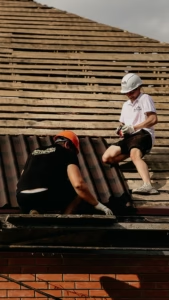
Roof repair focuses on fixing specific areas of damage while preserving the existing roofing system. Repairs are commonly used to resolve leaks, replace damaged shingles, repair flashing, or address localized storm damage.
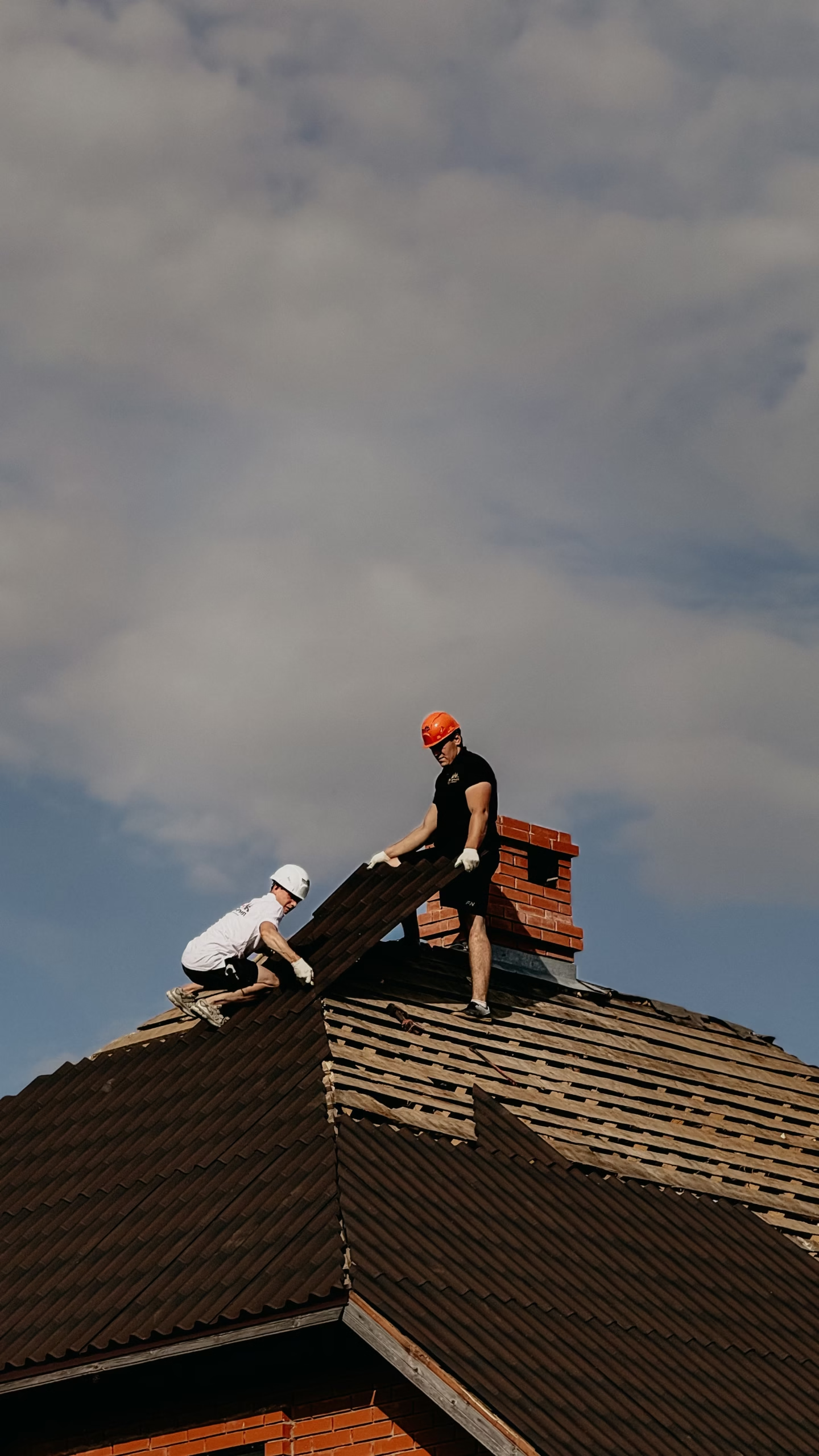
Roof replacement, on the other hand, involves removing part or all of the existing roof and installing a new roofing system. This option is generally recommended when a roof has reached the end of its lifespan or has sustained extensive damage that repairs can no longer address effectively.
The right choice depends on your roof’s age, overall condition, repair history, and long-term maintenance costs.
When Is Roof Repair the Right Choice?
Roof repair is often the most economical solution when the damage is limited and the rest of the roofing system remains in good condition.
Repairs may be the best option if:
- A few shingles are missing or damaged.
- A small roof leak has been identified.
- Flashing around chimneys, skylights, or vents needs replacement.
- Storm damage is limited to one section of the roof.
- Minor punctures or cracks are present.
- The roof is relatively new and structurally sound.
Addressing these issues promptly helps prevent water intrusion, mold growth, insulation damage, and more expensive structural repairs.
When Is Roof Replacement the Better Option?
A complete roof replacement becomes the smarter investment when repairs are no longer enough to restore the roof’s performance or reliability.
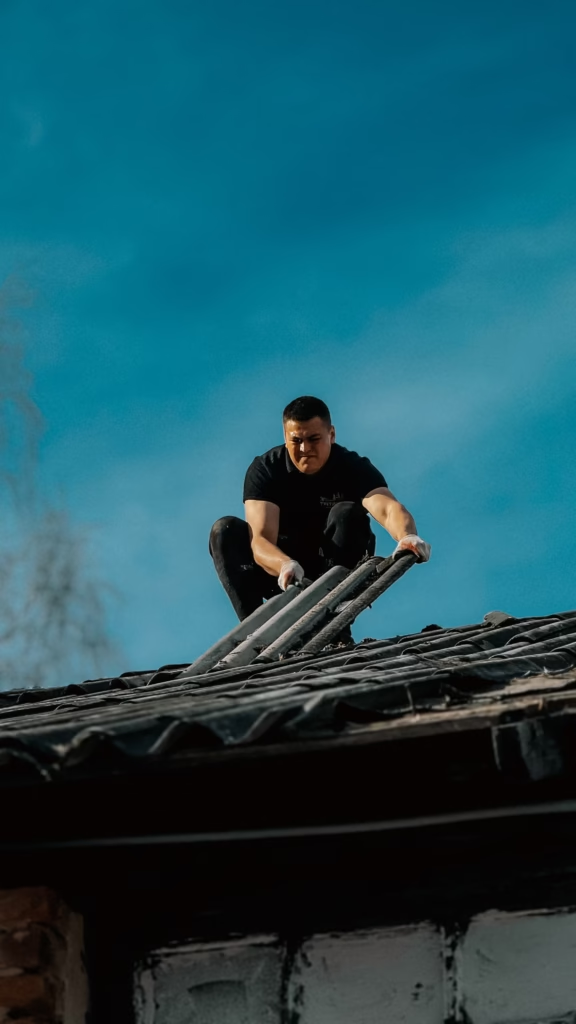
Replacement is generally recommended if:
- The roof has reached the end of its expected lifespan.
- Multiple or recurring leaks are present.
- Large sections of shingles are missing, cracked, or deteriorating.
- The roof deck is sagging or structurally compromised.
- Storm damage affects a significant portion of the roof.
- Repair costs continue to increase year after year.
Installing a new roof provides long-term protection while improving energy efficiency, enhancing curb appeal, and increasing the overall value of your property.
Roof Repair vs. Roof Replacement Comparison
| Factor | Roof Repair | Roof Replacement |
| Purpose | Fixes localized damage | Replaces the entire roofing system |
| Best For | Minor damage and newer roofs | Aging roofs or widespread damage |
| Initial Cost | Lower | Higher |
| Project Duration | Usually a few hours to one day | Typically one to several days |
| Lifespan | Extends the existing roof | Provides an entirely new service life |
| Property Value | Maintains current value | Can significantly increase value |
| Energy Efficiency | Limited improvement | Often improves insulation and efficiency |
| Long-Term Value | Best for isolated issues | Better investment for older roofs |
Factors to Consider Before Making Your Decision
Several important factors should be evaluated before deciding between repairing or replacing your roof.
Age of the Roof
If your roof is approaching or has exceeded its expected lifespan, investing in a replacement may be more cost-effective than continuing to repair aging materials.
Extent of the Damage
Small, localized issues can often be repaired successfully, while widespread deterioration usually indicates the need for a replacement.
Roofing Material
Some roofing materials are easier to repair than others. Older roofing products may also be difficult to match, making replacement a more practical solution.
Frequency of Repairs
If you’re calling a roofing contractor every year to fix new problems, replacing the roof may reduce long-term maintenance costs.
Future Property Plans
If you plan to sell your home or commercial property in the near future, installing a new roof can improve curb appeal, increase buyer confidence, and potentially enhance resale value.
Roof Repair vs. Roof Replacement Costs in New York
Roof repair generally costs less because only the damaged sections are repaired. The final price depends on the extent of the damage, roofing material, accessibility, labor requirements, and whether additional structural work is needed.
Roof replacement requires a larger investment because it includes removing the existing roofing system, installing new materials, and, if necessary, repairing the roof deck or upgrading ventilation. Costs vary depending on the size and complexity of the roof, material selection, permit requirements, and labor costs throughout New York.
Obtaining detailed estimates from experienced roofing contractors allows you to compare options and choose the solution that best fits your budget and long-term goals.
Why a Professional Roof Inspection Matters?
A professional roof inspection provides the information needed to determine whether repair or replacement is the right choice.
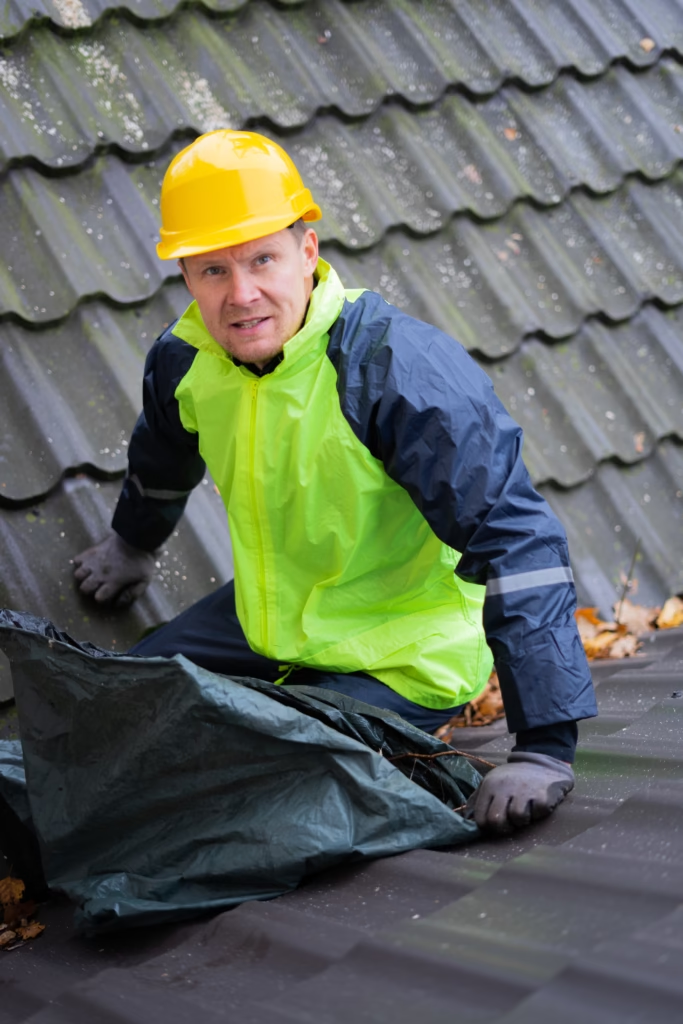
During an inspection, a roofing contractor typically evaluates:
- Roofing materials
- Flashing condition
- Roof decking
- Structural integrity
- Ventilation
- Signs of water intrusion
- Storm-related damage
- Remaining roof lifespan
Many roofing problems develop beneath the surface and aren’t visible from the ground. A comprehensive inspection helps identify hidden issues before they become major repairs.
Choosing the Best Solution for Your Property
Every roof is different, which means there is no one-size-fits-all solution.
If your roof is relatively new and the damage is limited, repairs can restore its performance and extend its lifespan. However, if your roof is aging, has extensive damage, or requires frequent repairs, replacing it may offer greater long-term value and peace of mind.
Working with an experienced roofing contractor ensures you receive an accurate assessment, honest recommendations, and quality workmanship based on your property’s specific needs rather than a one-size-fits-all approach.
Conclusion
Choosing between roof repair and roof replacement is an important decision that affects your property’s safety, durability, and long-term maintenance costs. While repairs are often the right solution for isolated issues on newer roofs, replacement is typically the better investment when damage is extensive or the roofing system has reached the end of its service life.
For property owners in New York, regular roof inspections, timely maintenance, and prompt repairs are essential for extending roof life and preventing more costly structural problems. When replacement becomes necessary, working with a qualified roofing contractor helps ensure your new roof is built to withstand New York’s changing weather conditions for years to come.
Frequently Asked Questions
If the damage is minor and the roof is still in good overall condition, repairs are usually the most cost-effective option. However, if the roof is older, has widespread damage, or requires frequent repairs, replacement often provides better long-term value.
The right decision depends on your roof’s age, condition, and the extent of the damage. A professional roof inspection can determine whether repairs will solve the problem or if replacing the roof is the better long-term investment.
Roof replacement is generally recommended when the roof has reached the end of its expected lifespan, has multiple leaks, extensive storm damage, significant material deterioration, or structural issues that cannot be repaired effectively.
Yes. Promptly repairing leaks, replacing damaged shingles, fixing flashing, and addressing minor issues can significantly extend the lifespan of a roof. Regular maintenance and inspections also help prevent small problems from becoming major repairs.