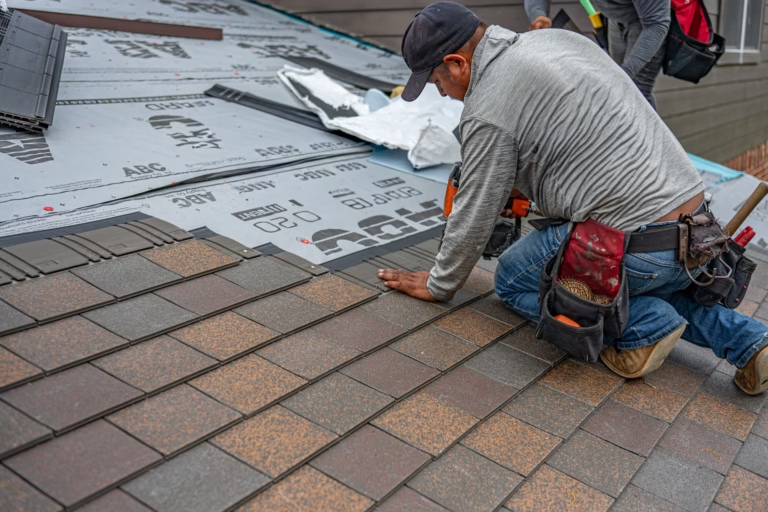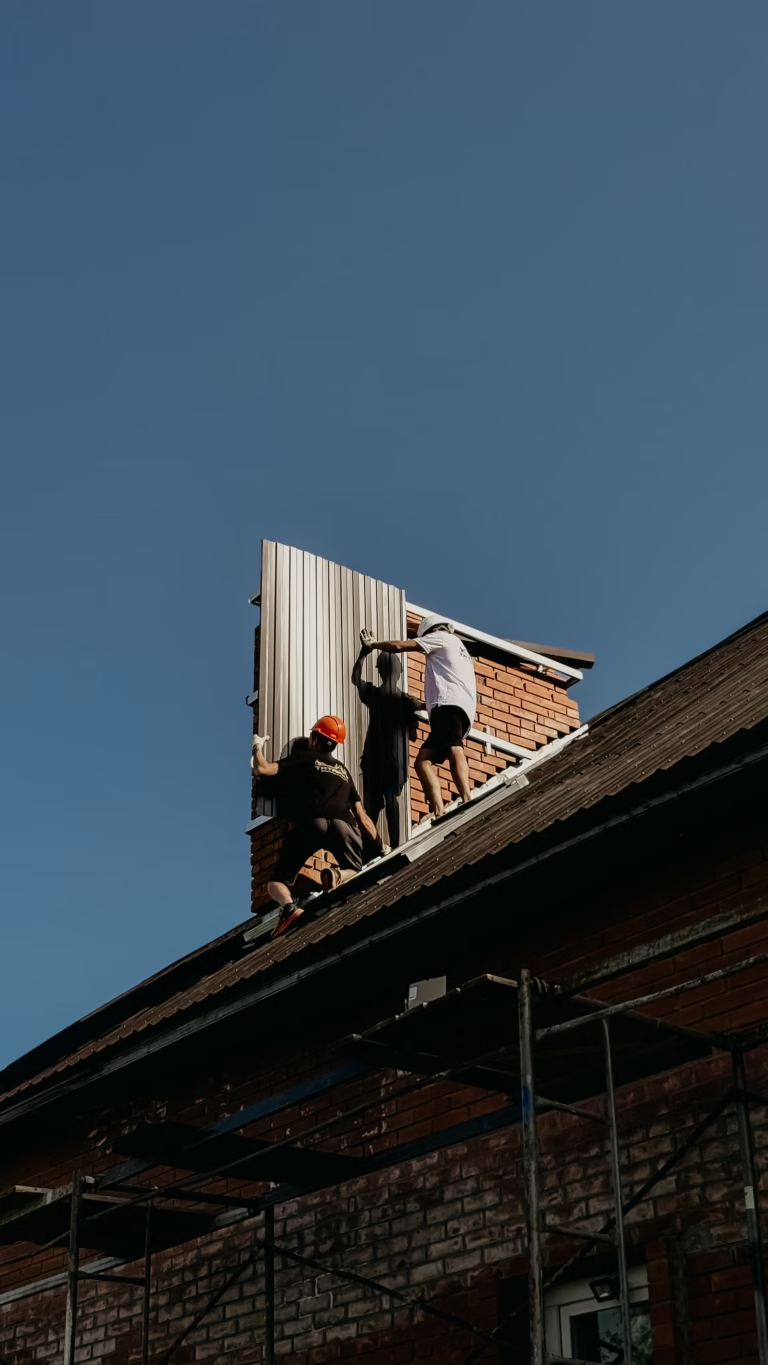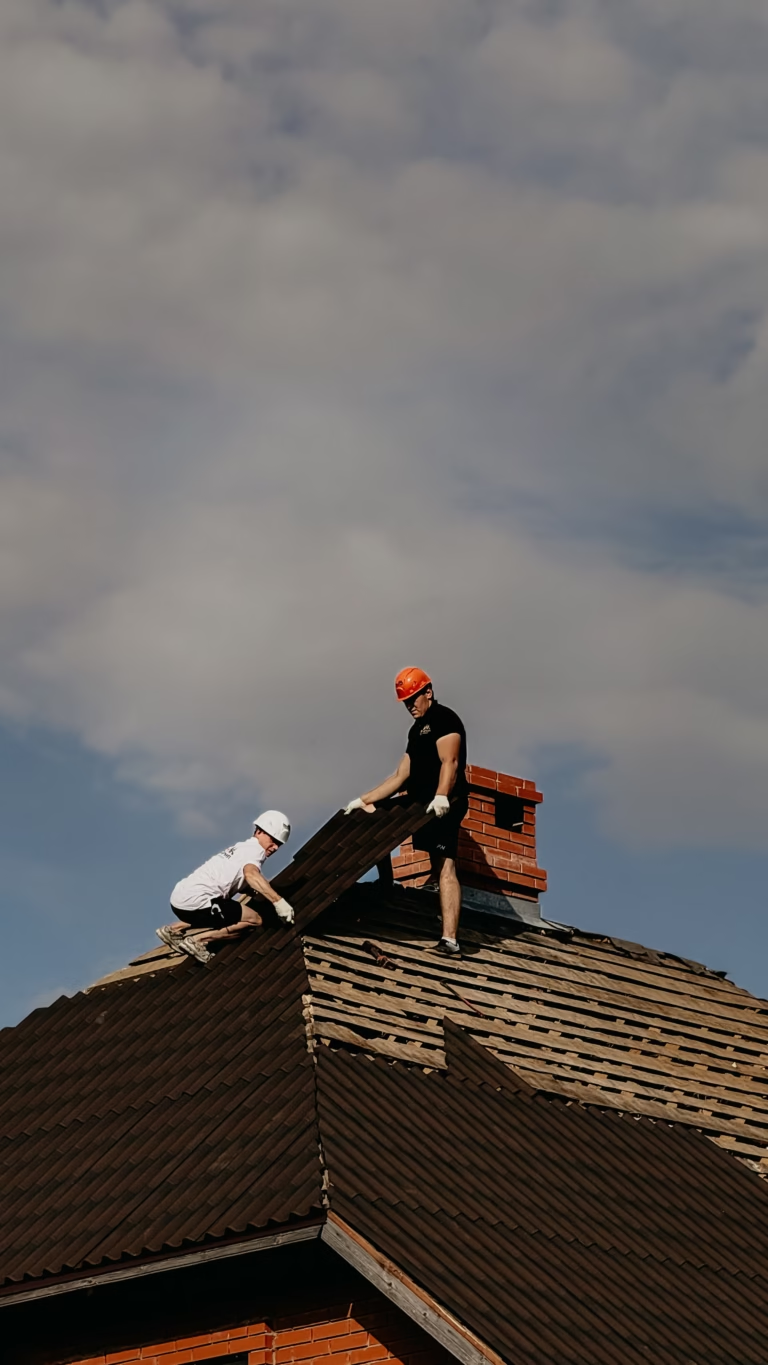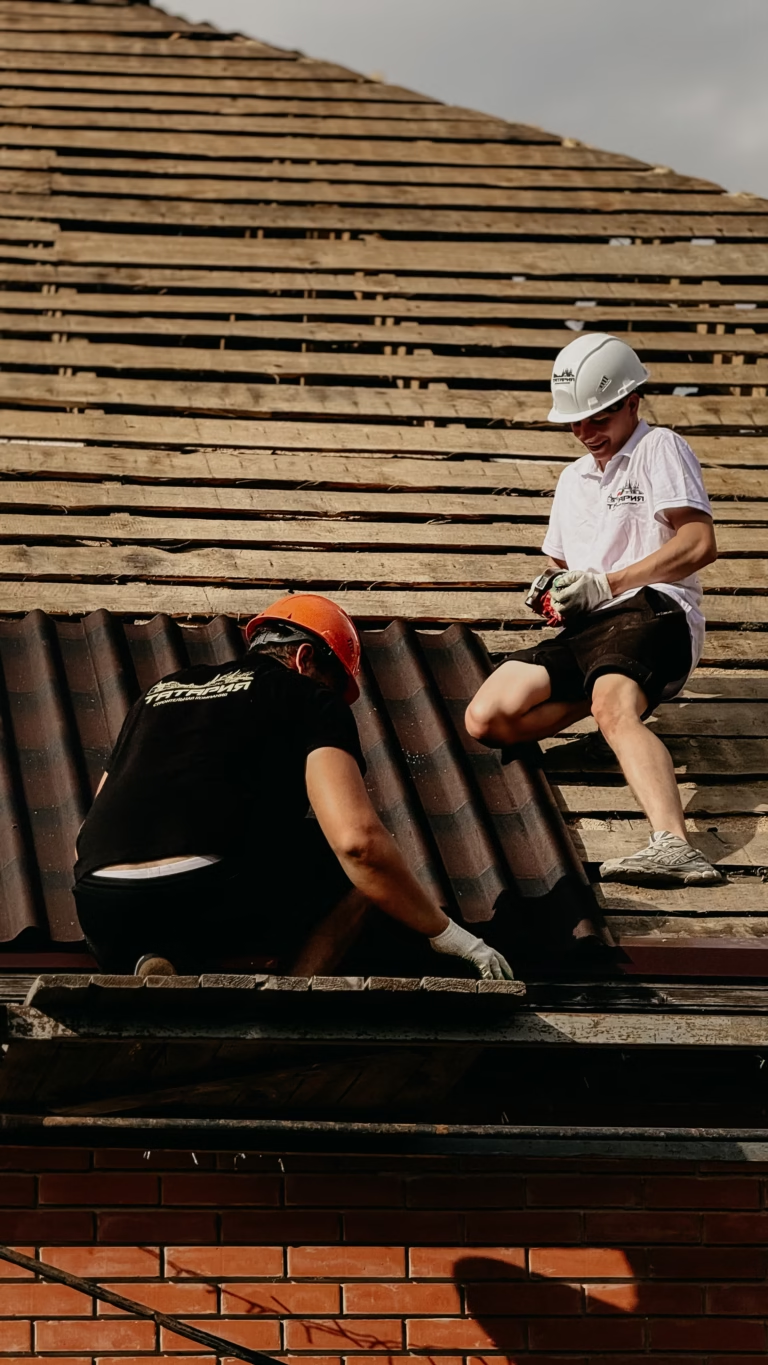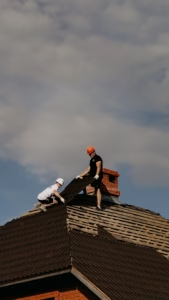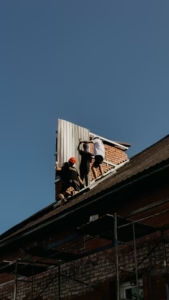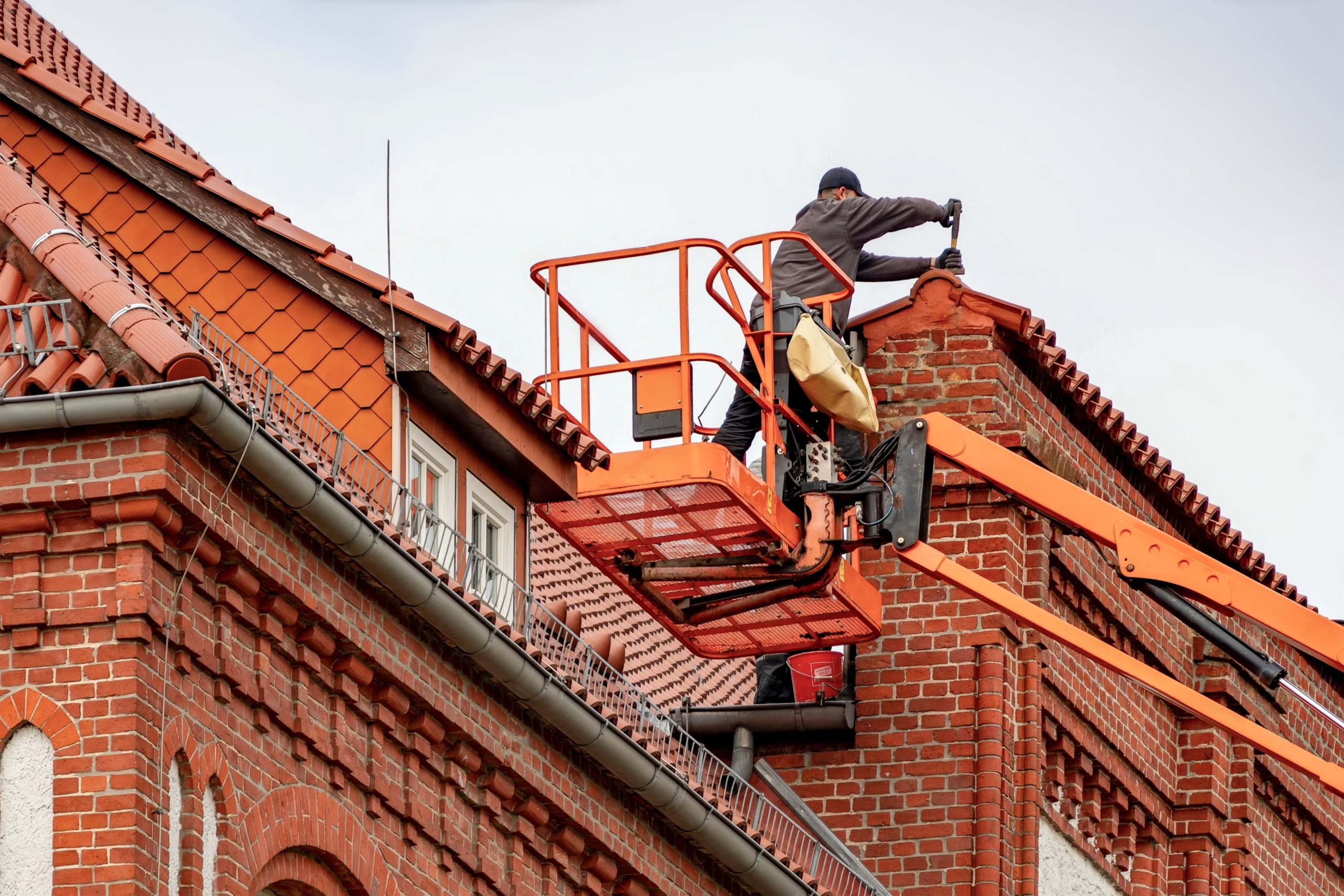
The roof keeps your house safe from all that the climate in New York City can throw at it, be it the heavy snow and ice in winter or heavy rains, winds, and the heat in summer. Even though your roof might look like it is in good shape from the ground, there might be problems occurring beneath its surface in the form of defective flashing, loose shingles, leaks, or worn-out roofing materials.
If you have a brownstone in Brooklyn, a townhouse in Queens, a business in Manhattan, a house in the Bronx, or an investment property in Staten Island, our roof inspection services will allow you to detect the problem before it causes expensive damage.
What Are Roof Inspection Services?
The process of conducting roof inspection requires a comprehensive inspection of the roofing system by an expert roofer. This ensures that the roof’s condition is well evaluated and any possible damages and defects identified and maintained properly.
In carrying out roof inspections, an expert will normally inspect the following:
- Roof materials and wear
- Broken shingles
- Chimney flashing, skylight and roof vent flashing
- Gutters and drainage systems
- Roof ventilation
- Moisture intrusions
- Structure of the roof
- Damages caused by weather or storms
Once the inspection is done, you will usually get a report detailing the status of your roof and advice on what should be done.
Why Regular Roof Inspections Matter
Inspections for roofs can be some of the best methods available to ensure that residential and commercial properties are protected in New York City. Minor roof damage usually occurs gradually, and it may remain unnoticed by many until leakage into the house occurs.
Routine inspections can help property owners:
- Diagnose roofing problems before they turn into expensive repairs.
- Increase the life expectancy of the roof.
- Minimize maintenance expenses over time.
- Increase energy savings.
- Maintain the structure of the building.
- Meet warranty needs of the manufacturer.
- Ensure seasonal readiness of the roof.
Inspections that are preventative will almost always cost less than emergency roof repairs or the replacement of the roof.
What Happens During a Professional Roof Inspection?
Professional roof inspections entail a thorough examination of the exterior roof system as well as, where necessary, the interior parts of the building, such as the attic or upper levels.
- The inspection entails the evaluation of:
- Roof materials for wear and deterioration
- Loose, curling, or damaged shingles
- Roof flashing at chimneys, skylights, and vents
- Gutter system performance and drainage
- Roof valleys and ridge caps
- Water ponding on flat roofing systems
- Roof ventilation
- Interior ceilings and attic spaces for evidence of moisture
- Roof decking and other structural components
After completion of your roof inspection, you will get expert advice on any repair work that should be done.
Signs You Need a Roof Inspection
Although annual inspections are suggested, there are some signs that will tell you your roof needs inspection at once.
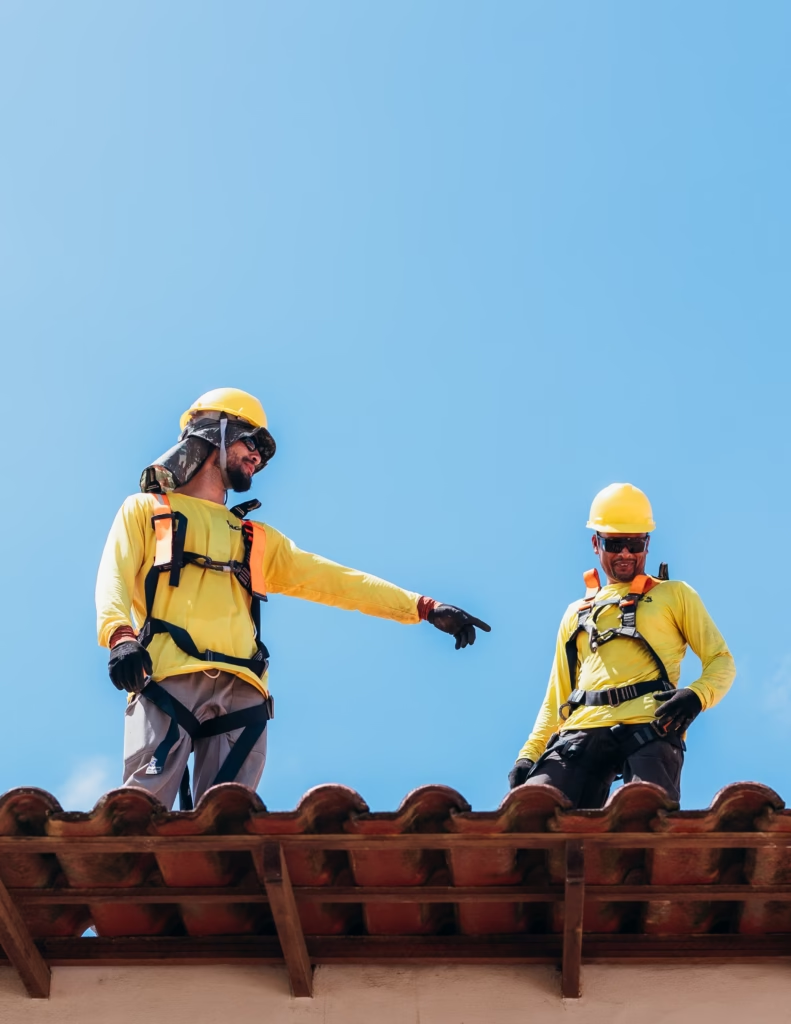
Contact a roofing expert to inspect your roof if you have noticed:
- Stains in ceilings and walls
- Broken or missing shingles
- Leaks in the roof when it rains heavily
- Sagging parts of the roof
- Increased number of granules in gutters
- Damaged flashing
- Moss or algae growth
- Increased heating or cooling expenses
- Damage due to storms, winds, or heavy snowfall
- Roof nearing the end of its life
For homeowners in Brooklyn, Queens, and Staten Island, inspections after major storms or heavy snowfall can be helpful in identifying potential problems.
Residential vs. Commercial Roof Inspections
While all roof inspections are meant to find emerging issues, there are differences between home and commercial roof inspections.
Residential Roof Inspections
Residential inspections commonly focus on:
- Asphalt shingles
- Metal roofing
- Slate roofing
- Flashing and gutters
- Attic ventilation
- Chimneys
- skylights
Whether it is a historic brownstone in Brooklyn, a stand-alone house in Queens, or a building in the Bronx, inspections allow homeowners to detect weather-related damage and worn-out roof materials.
Commercial Roof Inspections
Commercial roof inspections often involve more complex roofing systems, including:
- TPO roofing
- EPDM roofing
- PVC roofing
- Modified Bitumen roofing
- Roof coatings
- Drainage systems
- Rooftop HVAC equipment
Most commercial buildings found in Manhattan, downtown Brooklyn, Long Island City, and the Bronx usually employ a flat roof system because of the extensive surface area of their roofs and various drainage issues.
How Often Should You Schedule a Roof Inspection?
Many roofing professionals advise conducting a roof inspection at least once per year. Further roof inspections are advised following severe weather conditions, like excessive snowfall, strong winds, torrential rainfalls, or tree limbs falling.
It would be beneficial to schedule roof inspections:
- Prior to buying a home.
- Prior to selling a home.
- Following significant renovations to your home.
- Before and after winter.
- When your roof has exceeded its useful life of 15 to 20 years.
Annual inspections are especially important for many property owners in New York City, as the seasonal weather conditions and freeze/thaw process will cause degradation of the roofing material but not necessarily make it visible immediately.
Benefits of Preventive Roof Inspections
Roof inspection helps in preventing future problems as well as making sure that the roofs are in perfect condition.
Advantages are:
- Ability to identify any roof damages concealed
- Increased roof longevity
- Cutting down on roof maintenance expenses
- Increased roof efficiency
- Preventing water leaks/molds
- Preservation of property value
- Aids in storm claim filing by insurers
- Avoids last minute roofing problems
By combining routine inspections and regular roof maintenance, your roof will function dependably throughout all seasons.
Choosing a Roofing Contractor in New York City
The level of inspection done to the roof depends on the expertise of the roofing contractor you choose. Dealing with a qualified roofing professional guarantees accurate results and useful advice, given the condition of your roof.
Choose a reputable roofing professional, who should be capable of providing:
- Proper licensing and insurance
- Experience with residential and commercial roofing systems
- Positive customer reviews
- Detailed written inspection reports
- Transparent pricing
- Manufacturer certifications
- Warranty options
- Knowledge of New York City building codes and permit requirements
Select a contractor who has worked in buildings around Manhattan, Brooklyn, Queens, the Bronx, and Staten Island, as local expertise may help a lot where various construction types are concerned.
Conclusion
Roof inspection is one of the best investments that you can make in your property. By spotting any small issues that can turn into big issues in the future, inspections will help increase the longevity of your roof, save on energy, and minimize repairs costs.
If you own a family home in Queens, are managing apartment buildings in Brooklyn, commercial properties in Manhattan, or residential/investment properties in the Bronx or Staten Island, regular roof inspections will help make sure that your roof remains reliable year after year.
Frequently Asked Questions
A professional roof inspection typically includes evaluating roofing materials, shingles, flashing, gutters, ventilation, structural components, and signs of leaks or water intrusion. The inspection also identifies wear and damage that could lead to future roofing problems.
Most roofing professionals recommend scheduling a roof inspection at least once each year and after major storms, heavy snowfall, or high winds. Regular inspections help identify problems before they require expensive repairs..
Yes. Severe weather can damage roofing materials without obvious signs from the ground. A post-storm inspection helps identify hidden damage early and can also provide documentation for insurance claims if repairs are needed.
The cost of a roof inspection depends on factors such as the size of the property, roof type, accessibility, and the level of detail required. Some roofing companies offer complimentary inspections, while more comprehensive evaluations may involve a fee. Requesting an estimate beforehand can help you understand exactly what is included.