Your roof will be the first line of defense for your property against the varying weather of New York. From snow and ice in winter to summer heat, strong winds, and rain during storms, roofs in New York state endure constant wear every day of the year. However, despite their durability, all roofing systems need to be replaced sooner or later in their life span.
Knowing the lifespan of a typical roof and being aware of the symptoms that show its decay will enable homeowners and owners of commercial properties to deal with issues while they are still manageable. Knowing when it is time to have an inspection or even replace your roof can save your investments in the long run.
How Long Does a Roof Typically Last?
Some of the things that influence the life span of a roof include the roofing material, proper installation, climatic conditions, ventilation, and regular maintenance of the roof. Residential roofs may last for 20-50 years, depending on the roof quality whereas some top-grade roofing materials may serve for a very long time.
In New York, winters that include extreme cold, freezing rain, thawing and melting processes, as well as heavy snow and rare but severe storms may reduce the lifespan of a roof unless the small problems are addressed on time.
Average Roof Lifespan by Roofing Material
Roofing materials differ in terms of durability, maintenance needs, and lifespan.
| Roofing Material | Average Lifespan |
| Asphalt Shingles | 20–30 years |
| Architectural Shingles | 25–35 years |
| Metal Roofing | 40–70 years |
| Clay or Concrete Tile | 50+ years |
| Slate Roofing | 75–100+ years |
| Wood Shakes | 20–40 years |
| TPO Roofing | 20–30 years |
| EPDM Roofing | 25–35 years |
| PVC Roofing | 20–30 years |
Selecting the proper roofing materials is influenced by the design of your house, the cost, your maintenance preference, and climate.
10 Signs It’s Time for a Roof Replacement
There are some roofing problems that can be fixed, but there are other signs that suggest that roof replacement is the best option.
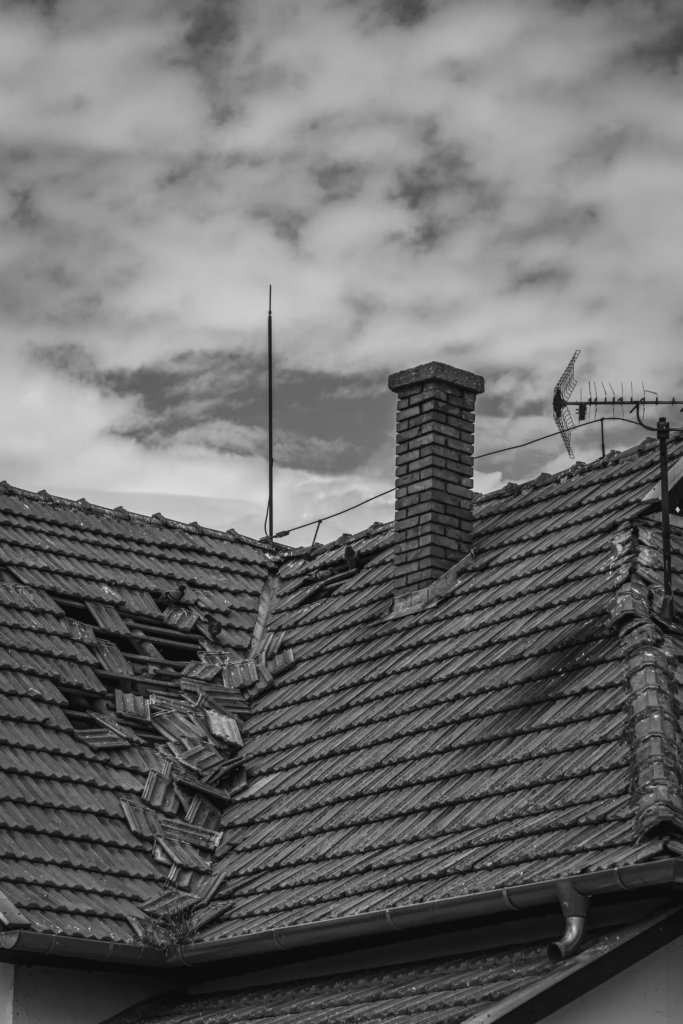
Your Roof Is at the End of Its Expected Lifespan
When your roof starts to reach its lifespan, it is advisable to replace the roof beforehand in order to prevent any sort of unforeseen damage or emergency repairs.
2. There Are Multiple Leaks in Your Roof
Multiple leaks in different parts of the roof are usually the result of a much larger problem in the roof.
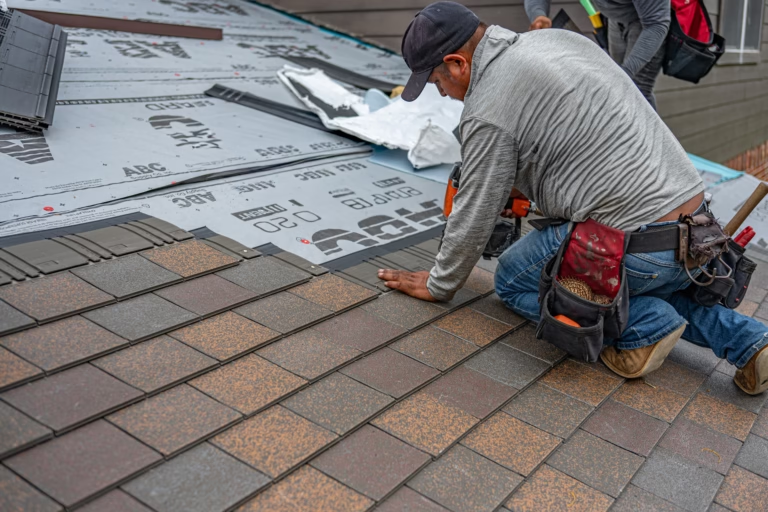
3. Damaged or Worn Shingles on Your Roof
Damage to your roof’s shingles means the roof is becoming less efficient in protecting you from moisture, wind, and snow.
4. Sagging Roof Line
A sagging roof line indicates serious structural issues in the roof.
5. Staining of Ceilings or Walls
Any staining within your house could be an indication of roof leaks that have been developing gradually.
6. Granules Accumulating in Gutters
Roofing shingles are made up of granules that gradually wear out during their lifespan. If there are too many granules in the gutters, then you should consider replacing your roof.
7. Moss and Algae Growth
Continuous moisture could lead to the growth of moss and algae, which could result in roof deterioration.
8. Damages Caused by Storms
High winds, branches falling from trees, hailstones, and heavy snowfall may damage roof components, making roof replacement a more favorable decision.
9. Rising Costs of Energy
A poorly insulated or ventilated old roof can lead to loss of heat in winter and high cooling costs in summer.
10. Roof Repairs
If you find yourself repairing your roof annually, a new roofing system might be more economical than continually repairing your roof.
Can Roof Repairs Extend a Roof’s Lifespan?
Yes. If there is only minimal damage in certain areas of your roof, proper and timely repairs might help increase the life of your roof structure. Nevertheless, if you find out that your roof is already showing widespread deterioration and the roof itself has passed its expected life, then it is best to consider roof replacement rather than roof repair.
What Affects the Lifespan of a Roof?
Several factors influence how long a roof will last, including:
- Quality of roofing materials
- Installation workmanship
- New York’s seasonal weather conditions
- UV exposure
- Roof ventilation
- Nearby trees and debris
- Routine maintenance
- Storm damage
- Drainage performance
- Frequency of professional inspections
Even premium roofing materials may wear out prematurely if they are poorly installed or neglected over time.
When Should You Schedule a Roof Inspection?
For a majority of contractors and roofers, having a roof inspection should be done at least once a year, and most prefer this to be in spring and fall seasons or after big weather occurrences like snow or strong winds.
It is wise to set up one when you see signs like missing shingles, indoor leak, damaged flashing, sagging or increased utility bills. These inspections usually reveal problems that need to be repaired sooner rather than later.
Roof Repair vs. Roof Replacement
Determining whether to repair or replace a roof is dependent on its general state, age, and degree of damage.
Roof Repair May Be the Right Choice If:
- Damage is limited to a small area.
- The roof is relatively new.
- Leaks are minor.
- Storm damage is localized.
- The roof structure remains in good condition.
Roof Replacement May Be the Better Option If:
- The roof has exceeded its expected lifespan.
- Multiple leaks are present.
- Roofing materials are deteriorating across large sections.
- Repairs are becoming more frequent.
- Structural damage has been identified.
A professional roofing contractor can assess the condition of your roof and recommend the most appropriate solution.
How Much Does Roof Replacement Cost in New York?
Roof replacement costs vary depending on several factors, including:
- Roof size
- Roofing material
- Roof pitch and complexity
- Labor costs
- Removal of the existing roof
- Structural repairs
- Permit requirements
Because every project is different, obtaining detailed estimates from experienced roofing contractors is the best way to understand your options and budget accordingly.
How to Make Your Roof Last Longer
Routine maintenance is one of the most effective ways to maximize the lifespan of any roofing system.
Recommended maintenance includes:
- Schedule annual roof inspections.
- Clean gutters and downspouts regularly.
- Remove leaves and debris from the roof.
- Trim overhanging tree branches.
- Replace damaged shingles promptly.
- Repair leaks as soon as they appear.
- Maintain proper attic ventilation.
- Inspect the roof after severe weather.
- Address flashing problems before they worsen.
Taking a proactive approach to maintenance helps reduce unexpected repair costs and extends the life of your roof.
Conclusion
Having knowledge of the lifespan of the roof and understanding what the indicators of roof wear and tear mean gives property owners a chance to prepare for any unexpected costs. Even though proper roof maintenance and repair of your roof will increase its lifespan greatly, there will come a time when the only safe and economically feasible choice is to replace your roof.
Whether you own a private property or have a bunch of rental properties in New York, it is always helpful to conduct periodic roof inspections and seek advice from an experienced roofing company.
Frequently Asked Questions
Common warning signs include recurring leaks, missing or curling shingles, sagging sections, water stains inside the property, excessive granules in gutters, and a roof that has reached the end of its expected lifespan. A professional inspection can determine whether repair or replacement is the better option.
Yes. Roofing materials such as metal, slate, and clay tile can often last 50 years or more when properly installed and maintained. Asphalt shingle roofs generally have a shorter lifespan but can still provide decades of reliable protection with regular maintenance.
Severe weather, poor ventilation, improper installation, clogged gutters, lack of maintenance, and repeated storm damage can all reduce a roof’s lifespan. Addressing small problems early can help prevent premature replacement.
Not necessarily. Some roofs may require replacement because of age, widespread deterioration, or structural concerns even if they have not yet developed noticeable leaks. A professional roof inspection is the best way to evaluate its overall condition and determine the most appropriate course of action.