
Maintaining a well-stocked inventory of medical supplies is one of the most important responsibilities for any healthcare facility. Whether it’s a hospital in Manhattan, a community clinic in Brooklyn, a rehabilitation center in Queens, a nursing home in the Bronx, or a medical practice on Staten Island, having the right supplies readily available helps ensure uninterrupted patient care and efficient day-to-day operations.
Healthcare providers rely on a wide range of medical products to diagnose illnesses, treat injuries, prevent infections, and support patient recovery. Running out of essential supplies can lead to treatment delays, increased costs, and unnecessary operational challenges.
This guide highlights the essential medical supplies every healthcare facility in New York should keep in stock, along with practical tips for managing inventory and selecting a dependable medical supply partner.
Why Maintaining Medical Supply Inventory Is Important
Every healthcare facility depends on medical supplies to provide safe and effective patient care. From routine examinations to emergency procedures, healthcare professionals require immediate access to essential products to perform their duties efficiently.
Proper inventory management helps facilities:
- Reduce treatment delays
- Improve patient safety
- Support infection prevention
- Minimize supply shortages
- Reduce unnecessary purchasing costs
- Improve operational efficiency
Maintaining the right balance between available inventory and demand is key to delivering consistent healthcare services.
Personal Protective Equipment (PPE)
Personal protective equipment is one of the most frequently used categories of medical supplies. It helps protect healthcare workers, patients, and visitors while reducing the spread of infectious diseases.

Healthcare facilities should maintain adequate supplies of:
- Disposable gloves
- Surgical masks
- N95 respirators
- Isolation gowns
- Face shields
- Protective eyewear
- Disposable caps and shoe covers
Facilities should regularly monitor PPE usage to prepare for seasonal illness trends and unexpected increases in patient volume.
Wound Care Supplies
Proper wound care products are essential for treating injuries, surgical incisions, burns, and chronic wounds.
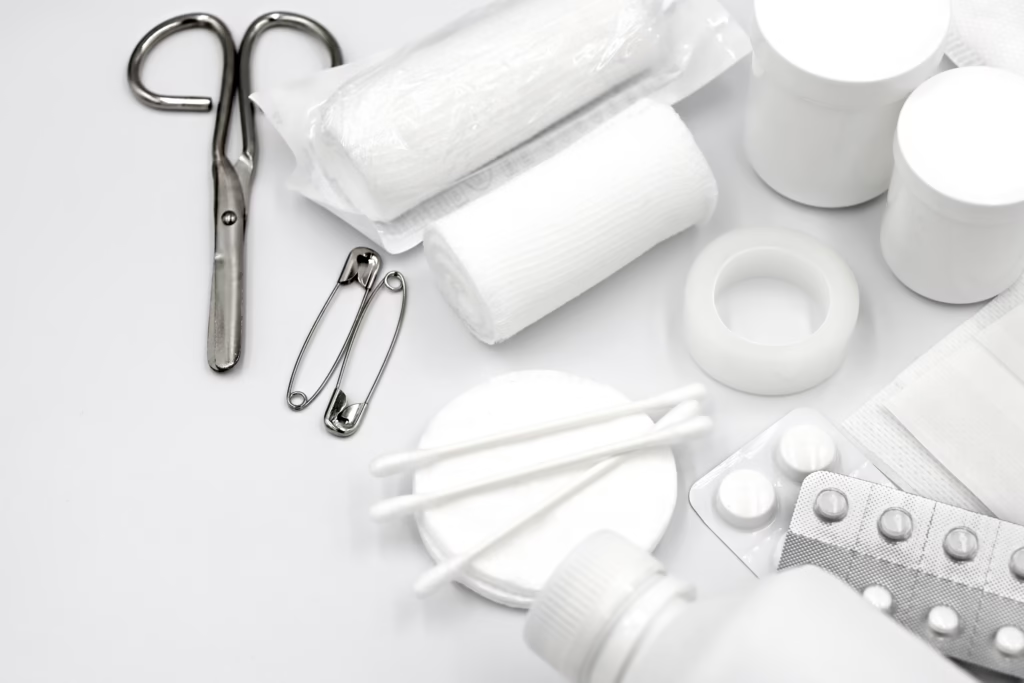
Common wound care supplies include:
- Sterile gauze
- Adhesive bandages
- Foam dressings
- Medical tape
- Wound cleansers
- Compression bandages
- Antimicrobial dressings
Maintaining a variety of wound care products allows healthcare professionals to treat different wound types effectively.
Keeping these items readily available helps improve workflow and reduce appointment delays.
Infection Prevention Products
Preventing healthcare-associated infections remains a priority across all healthcare settings.

Facilities should regularly stock:
- Hand sanitizers
- Surface disinfectants
- Medical-grade cleaning wipes
- Sterilization products
- Sharps containers
- Biohazard waste bags
Consistent infection control practices help create a safer environment for patients and healthcare professionals.
Syringes and Medical Consumables
Disposable medical consumables are used throughout hospitals, clinics, and outpatient facilities every day.
Common consumables include:
- Syringes
- Needles
- IV supplies
- Alcohol prep pads
- Cotton rolls
- Disposable drapes
- Examination gloves
Since these products are used frequently, inventory levels should be monitored closely.
Patient Care Supplies
Healthcare facilities should also maintain products that improve patient comfort and support routine care.
Examples include:
- Disposable underpads
- Incontinence supplies
- Patient gowns
- Bed protection products
- Disposable linens
- Skin care products
These items are particularly important for long-term care facilities and rehabilitation centers.
Respiratory Care Supplies
Respiratory equipment supports patients with chronic respiratory conditions and those recovering from illness.

Important supplies include:
- Oxygen masks
- Nebulizer accessories
- Oxygen tubing
- CPAP accessories
- Humidifier bottles
- Respiratory filters
Proper storage and regular inspection help ensure these products remain ready for use.
Inventory Management Best Practices
Having essential supplies is only part of effective inventory management. Healthcare facilities should also implement processes that improve efficiency and reduce waste.
Best practices include:
- Conduct routine inventory audits.
- Monitor expiration dates.
- Forecast purchasing based on patient volume.
- Maintain minimum stock levels.
- Use inventory management software.
- Standardize commonly used products.
These practices help reduce shortages while controlling procurement costs.
Choosing a Reliable Medical Supply Company in New York
Selecting the right supplier is just as important as maintaining inventory.
Healthcare facilities should look for companies that offer:
- Comprehensive product selection
- Reliable inventory availability
- Fast delivery across Manhattan, Brooklyn, Queens, the Bronx, and Staten Island
- Competitive pricing
- Responsive customer support
- High-quality products from trusted manufacturers
Working with an experienced medical supply company helps facilities maintain uninterrupted operations while simplifying procurement.
Common Inventory Mistakes to Avoid
Healthcare organizations should avoid:
- Overstocking products with limited shelf life
- Waiting until supplies run low before reordering
- Purchasing solely based on price
- Ignoring expiration dates
- Working with unreliable suppliers
- Failing to review inventory regularly
Preventing these mistakes helps improve efficiency while reducing unnecessary costs.
Conclusion
Keeping essential medical supplies in stock is fundamental to delivering safe, efficient, and reliable healthcare. From personal protective equipment and wound care products to diagnostic supplies and infection prevention solutions, every item contributes to better patient outcomes and smoother daily operations.
Whether your healthcare facility is located in Manhattan, Brooklyn, Queens, the Bronx, or Staten Island, maintaining a proactive inventory strategy and partnering with a trusted medical supply company can help ensure your team always has access to the products needed to provide exceptional patient care.
Frequently Asked Questions
Basic medical supplies include everyday healthcare essentials such as gloves, bandages, gauze, antiseptics, syringes, masks, and wound care products used for routine patient care and first aid.
Examples of medical supplies include personal protective equipment (PPE), wound dressings, diagnostic tools, diabetic supplies, incontinence products, syringes, IV supplies, and respiratory care products.
The most commonly needed medical supplies include disposable gloves, surgical masks, gauze, adhesive bandages, disinfectants, syringes, thermometers, blood pressure cuffs, and wound care products.
A basic medical emergency kit typically includes adhesive bandages, sterile gauze, adhesive tape, antiseptic wipes, disposable gloves, scissors, tweezers, a digital thermometer, pain relievers, and an emergency blanket.