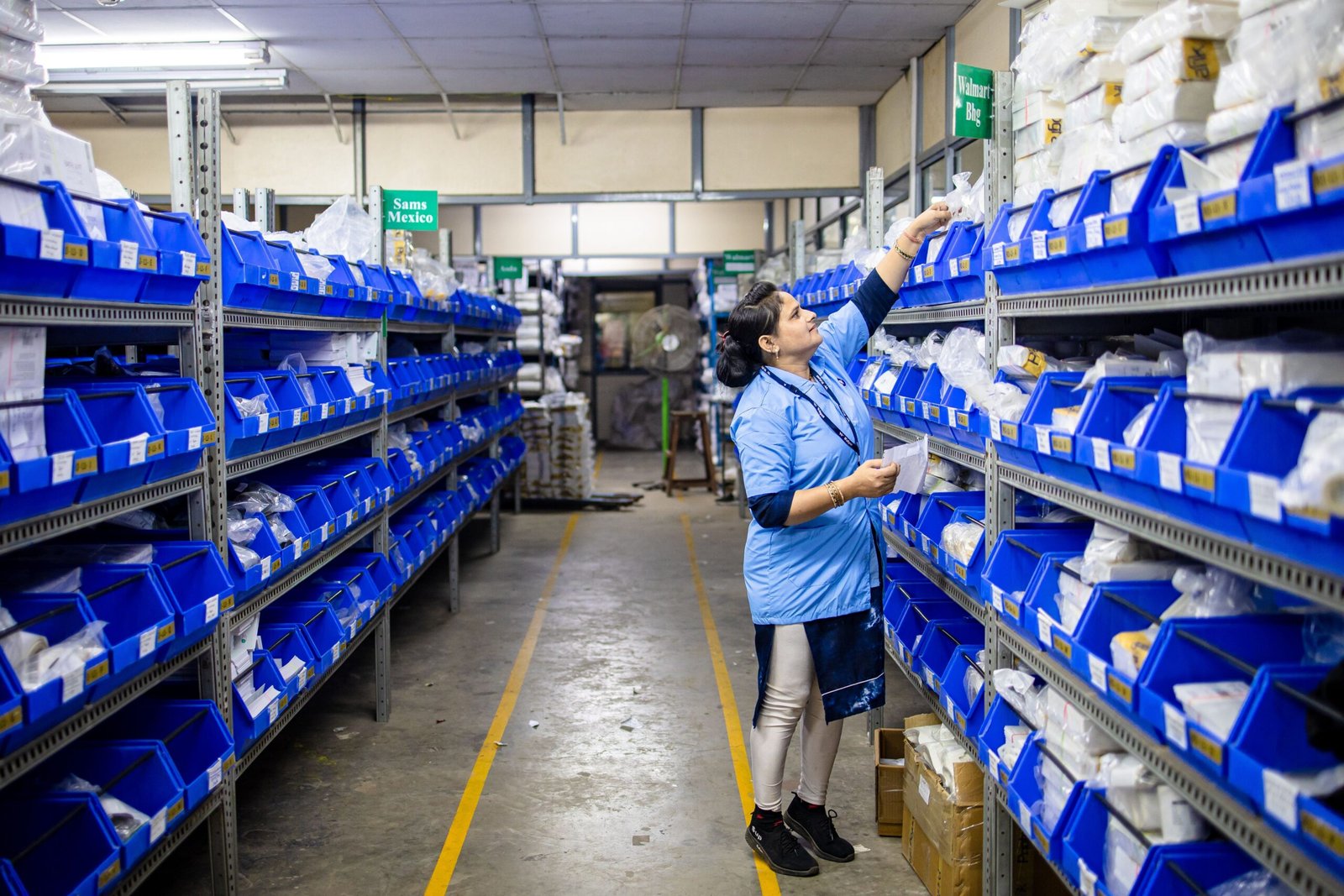
Selecting a medical supply company is no easy task for hospitals, agencies providing care at home, and individuals that have to use good quality medical supplies all the time. You choose this company, and its choice may have an impact on the quality of care, work organization, and expenses. A reputable company will provide access to necessary supplies, services, timely delivery, and assistance.
New York state has a lot of healthcare facilities, including hospitals, clinics, physician offices, rehabilitation institutions, nursing homes, and even home health care organizations. With such a choice, it may be difficult to find the one that will suit you.
Here you can find information about the major criteria for selection of a medical supply company in New York.
Understand Your Medical Supply Needs
In order to compare the suppliers, make a list of the products that you purchase frequently. Every health care provider has its own requirements according to the services it provides.
A hospital would have a requirement for a huge quantity of personal protective equipment (PPEs), wound care products, diagnostic products, and surgical consumables. Rehabilitation centers, on the other hand, might require mobility aids as well as support products for patients. Home health care providers require mobile medical products, diabetic products, respiratory products, and monitoring devices for patients.
Look for a Wide Product Selection
There are several items that should be available in any reliable medical supply store. The use of one single supplier to buy different kinds of products makes purchases convenient and reduces work.
Product groups commonly found in medical supply stores include:
- Personal protective equipment (PPE)
- Wound care products
- Diagnostic and examination products
- Infection control products
- Respiratory care products
- Mobility aidsPatient care products
- Incontinence products
- Rehabilitation products
- Medical disposables
Availability of an extensive list of products will help you choose new products if your needs change at any point in time. oducts as your facility’s needs change over time.
Evaluate Product Quality
Healthcare equipment is essential in patient care, and thus quality becomes very significant. Good suppliers work with reliable manufacturers to supply healthcare equipment that meets established healthcare industry standards. Good quality equipment usually has longer lifespans and performs better than low-quality ones. It helps health professionals to give good and safe care to patients.
Consider Inventory Availability
A major issue that any healthcare facility will face is a sudden shortage of their products. An efficient supplier must maintain consistent inventory levels. The questions to ask include:

- Product availability
- Backorder policies
- Inventory management practices
- Restocking timelines
- Alternative product options
Consistent inventory helps prevent disruptions to patient care and keeps healthcare operations running smoothly.
Assess Delivery Capabilities
Delivery on time is a must, particularly for those facilities that receive deliveries on a daily basis or weekly basis. If you are based in Manhattan, Brooklyn, Queens, Bronx, or Staten Island, choose a distributor that can deliver in NYC.
Things to consider:
- Processing time of the orders
- Availability of same day/next day delivery
- Capability of emergency deliveries
- Repeated delivery options
Sound logistics ensure that the healthcare providers are always supplied with what they require.

Review Customer Service and Support
Excellent customer service is one of the most critical aspects that a medical supplies business should provide. Trained staff must be available to provide information about products, place orders, handle issues promptly and offer alternatives where necessary. Excellent support comes in handy when dealing with large inventory or emergency situations.
Look for suppliers that provide:
- Dedicated account representatives
- Responsive communication
- Product guidance
- Order tracking
- After-sales support
A supplier who values long-term relationships will be better able to appreciate how the requirements of your organization evolve over time. nships is more likely to understand your organization’s evolving requirements.
Compare Pricing Beyond the Initial Cost
The price does matter; however, you should not focus solely on the price alone because sometimes the lowest priced items may not necessarily be the most cost-effective in the long run.
Therefore, take into account the total value provided by each manufacturer, which includes:
- Product quality
- Bulk purchasing discounts
- Contract pricing
- Shipping costs
- Customer support
- Delivery reliability
Choosing a supplier based on total value rather than price alone often results in better long-term savings.
Verify Regulatory Compliance
Facilities providing healthcare services need to purchase supplies from firms which concentrate on quality control and adherence to regulations. The products need to be of acceptable quality and manufactured by a well-known supplier. Partnering with a reputable supplier ensures that healthcare providers adhere to the requirements and get authentic supplies.
Read Customer Reviews and Industry Reputation
Reputation of the supplier is an indication of their quality of services. It is important to read customers’ reviews, testimonials, and case studies to learn more about their operations.
Look for feedback regarding:
- Product quality
- Delivery reliability
- Customer support
- Order accuracy
- Responsiveness
- Overall customer satisfaction
Consistently positive reviews often indicate a dependable supplier with a strong track record. ord.
Choose a Supplier That Can Grow with Your Organization
Since healthcare facilities evolve over time, your medical supply company must be capable of evolving with you. If you plan on expanding your business by opening new facilities, adding new services, or increasing your number of patients, then having a scalable medical supply company can be helpful in ensuring that there will not be a need to look for a new one in the future.

Common Mistakes to Avoid
Avoiding these common pitfalls while choosing a medical supplies supplier:
- Selection of the supplier by price only
- No consideration for quality and certification
- Lack of consideration for the supplier’s inventory
- Neglecting the delivery capability
- No consideration for customer reviews
- Choosing the suppliers which provide a limited number of products
- Neglecting the customer service evaluation
Such careful comparison will help avoid additional expenses and issues.oughly can help prevent unnecessary costs and operational challenges.
Conclusion
Selecting the most suitable medical supplies provider in New York involves considering factors such as product quality, inventory availability, shipping, customer service, and value. The price is important, although healthcare institutions are encouraged to work with providers that can offer quality services and products consistently.
Working with a reliable medical supplies provider, whether in Manhattan, Brooklyn, Queens, Bronx, or Staten Island, can benefit your purchasing experience, enhance efficiency, and guarantee that healthcare professionals are equipped to deliver quality patient services.
Frequently Asked Questions
I should identify a supplier who provides variety of products, has constant stock, offers fair prices, offers high-quality products, delivers the products on time, has friendly customer service, and has good reputation in the market.
Quality medical supplies ensure that patients get quality services, minimize chances of having problems with products, ensure safety of the patients and healthcare facilities, and minimize costs of purchase of the products.
There are some full-service medical suppliers that provide many products in a variety of healthcare sectors. This helps in procurement of all items at once from a single source.
Timely delivery will ensure that there is adequate inventory management and prevent disruptions in service to the patient.