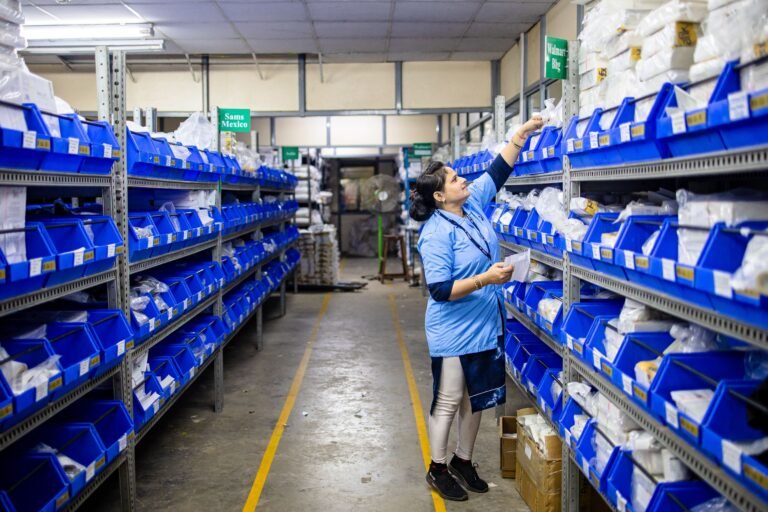
Minimizing the costs associated with medical supplies is another major challenge for healthcare organizations. Hospitals, clinics, nursing facilities, and rehab centers situated in New York have to make sure that increasing costs are handled properly without posing any risk for patients’ well-being. Medical supplies have to be purchased constantly, and even minor improvement in this area may bring significant savings.
Cost reduction is not a process of lowering quality, but on the contrary, it means an intelligent approach to purchasing and inventory management, along with cooperation with reliable suppliers providing high value. No matter what part of Manhattan, Brooklyn, Queens, Bronx or Staten Island you are situated in, you will benefit from cost reduction techniques.
In this article you will find practical ways to reduce medical supply costs in New York healthcare institutions.
Assess Current Expenditures
First, it is essential to identify how your health care facility buys its goods. By analyzing documents on your purchases, you can figure out what items are often bought, the seasonal tendencies, and which products make the greatest percentage of your budget.
Tracking spending will enable you to spot some areas where you can decrease unnecessary expenses.
Optimize Inventory Control
Poor inventory control is usually the cause of excessive inventory, expired goods, and emergency purchases that increase your total expenditure.

Some steps that hospitals and clinics could take to optimize inventory control include:
- Conducting regular inventory audits
- Tracking product expiration dates
- Establishing minimum and maximum stock levels
- Forecasting demand based on patient volume
- Using inventory management software
Accurate records of inventory will help reduce wastage and ensure that important materials are always available.
Purchase in Bulk When Appropriate
When purchasing such materials as gloves, masks, syringes, disinfectants, and wound care supplies that you use often, buying them in bulk can reduce the cost of each product.
However, before ordering in large quantities, it is necessary to consider such aspects as the shelf life of products, available storage space, and consumption rate.
Standardize Frequently Used Products
Many different brand names or products that do the same thing will complicate matters and increase costs. The standardization of medical equipment used frequently simplifies the purchasing process, ensures familiarity with items used, and usually enables better prices because of bulk buying.
Build Strong Supplier Relationships
Dealing with dependable companies dealing in medical supplies will prove cost-effective not just because of their good pricing policies.

A reliable supplier may offer:
- Volume discounts
- Contract pricing
- Scheduled deliveries
- Product recommendations
- Dedicated account support
- Access to alternative products during shortages
Long-term relationship generally leads to better predictability of costs and superior services.ctable procurement costs and improved service.
Reduce Product Waste
Medical supplies that have expired before their use or are damaged during storage lead to additional expenses. To reduce this kind of waste, facilities can:
- Rotating stock using the first-expire, first-out (FEFO) method
- Monitoring expiration dates
- Ordering based on actual demand
- Training staff on proper product handling and storage
Even small changes in inventory management can make a big difference in reducing costs.ractices can produce meaningful cost savings over time.
Compare Total Value, Not Just Price
Selecting the cheapest supplier is not necessarily the most cost-effective approach. Products of poor quality may require regular replacement or create inefficiencies.
In assessing the quality of the supplier, one should take into account:
- Product quality
- Delivery reliability
- Inventory availability
- Customer support
- Shipping costs
- Return policies
Opting for a supplier based on total value will generally result in reduced costs over time.ses.
Leverage Technology
Through technology, hospitals and clinics can make better purchasing decisions and manage their inventories effectively. In most cases, institutions now adopt digitalized systems of inventory to:
- Track stock in real time
- Automate reordering
- Monitor purchasing trends
- Reduce manual errors
- Generate procurement reports
These tools improve efficiency while supporting better financial planning.

Choose a Reliable Medical Supply Company in New York
A reliable supplier will help to control the cost of purchasing. It is imperative for healthcare organizations in Manhattan, Brooklyn, Queens, Bronx, and Staten Island to deal with companies which can offer a continuous supply, good prices, and punctual delivery. A seasoned supplier will also identify affordable substitutes without affecting the quality of the product.
Common Costly Mistakes to Avoid
Healthcare facilities can reduce unnecessary expenses by avoiding these common mistakes:
- Overstocking products with limited shelf life
- Waiting until supplies run low before reordering
- Purchasing from multiple suppliers without comparing costs
- Focusing only on the lowest price instead of overall value
- Ignoring inventory audits
- Failing to monitor product usage trends
Addressing these issues helps improve operational efficiency while reducing procurement costs.educing procurement costs.
Conclusion
Cost reduction of medical supplies is achieved by wise purchasing, inventory management, and maintaining strong relations with vendors. The hospitals and medical centers that constantly assess their spending, standardize their products, minimize wastes, and embrace technology will have much more cost control capacity without sacrificing quality patient care.
It does not matter whether you cater to people residing in Manhattan, Brooklyn, Queens, the Bronx, or Staten Island; partnership with a reliable medical supplies vendor and employing intelligent procurement practices will help you save money without compromising service quality.
Frequently Asked Questions
They can reduce their cost by improving their supply management, ordering in bulk, minimizing their wastage, standardization of supplies and using reliable suppliers.
These include personal protective equipment, gloves, masks, syringes, wound care supplies, diagnostic supplies, disinfectants and respiratory care supplies that are used in providing services to patients on a daily basis.
It depends on the hospital’s size and specialty, but the medical supplies always represent a significant share of operational cost, and large hospitals may incur costs worth millions annually in procurement.