Having a reliable electrical system is very important if you want to have a safe and efficient home. Unfortunately, just like other components of your home, an electrical system can suffer from deterioration and malfunctioning over time. Electrical system problems typically arise slowly but can cause costly and even dangerous problems if ignored.
As a homeowner in New York, it is vital to know the reasons for such problems and how to address them to extend the lifespan of your electrical system. This article will discuss the most frequent electrical problems that can happen in New York homes.
Why New York Homes Are More Prone to Electrical Problems
Houses in New York, especially those that were constructed in olden times such as the brownstones, townhouses, and historical buildings, did not have much need for electricity back then. Present times have seen an increase in electrical demand due to household needs such as entertainment and work stations.
Climate change is another factor. Lightning storms tend to cause power surges; extreme winter climates and hot summer climates could influence wires and electrical equipment. Failure to carry out regular electrical repairs could cause minor problems to become major in time.
Most Common Electrical Problems
In New York, homeowners face many similar electrical problems as they grow old or increase electricity usage.
Overloaded Circuit
The first problem homeowners face is that of an overloaded circuit. Overloading is the condition when too many appliances or devices pull current from one circuit. This situation leads to frequent breaker trips and overheating of the electrical systems. Adding extra circuits will solve the problem.
Power Surges
Surges are a situation when voltage momentarily spikes above normal. While power surges are usually caused by major storms, they can be caused by large appliances and cycling and faulty power delivery from the utility company. The homeowner can protect their appliances and electronics from surges with whole-home surge protection equipment.
Faulty Wiring
The last problem is that of faulty wiring. The aging of wires, improper installation, and even physical damage can lead to faulty wires in the house.
Aging Electrical Panels
Old electrical panels may not offer adequate power anymore. The upgrading of such an electrical panel ensures improved performance.
Outlets and Switches Gone Worn
Outlets and switches wear out through regular usage. Worn-out devices can be upgraded to ensure safe operations of all the outlets.
Failures of Ground Fault Circuit Interrupters (GFCIs)
Ground Fault Circuit Interrupters (GFCIs) are meant to offer protection against shock in areas such as kitchens and bathrooms. Regular checks for their failure are necessary.
Loose Electrical Connections
Homes usually go through the process of aging that results in loose electrical connections. This problem can be identified by conducting regular inspections.
How to Prevent Electrical Problems
A good method to prevent any expensive repair work is through prevention itself. Regular maintenance can go a long way in finding out problems.
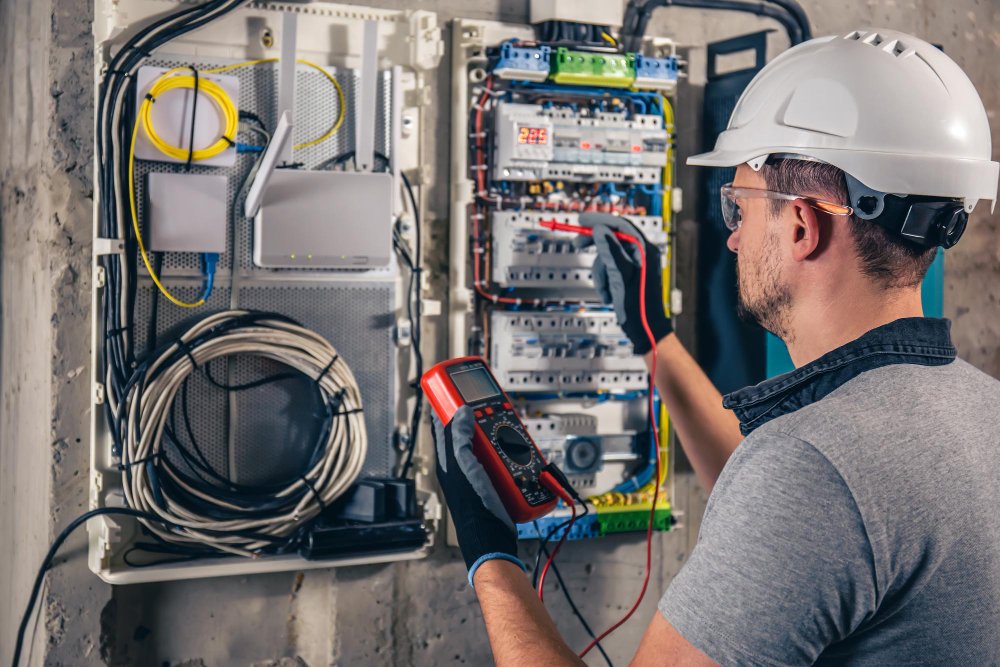
Electrical problems can be prevented by homeowners through:
- Having an electrical checkup done periodically by professionals
- Ensuring that there are no overloaded circuits due to appliances plugged in one outlet
- Putting up an entire surge protector to prevent power surges
- Replacing old outlets, switches, and electrical panels
- Repairing any faulty wiring in old houses
- Testing the GFCI outlets every month
- Using separate circuits for large appliances
- Never attempting to do electrical repairs if unqualified
It assists in increasing electrical safety and increasing the life span of your home electrical systems.
Importance of Regular Electrical Maintenance
Electrical maintenance provides more than just security. It makes sure that any deteriorated components are replaced before they break down, and also ensures greater energy efficiency and fewer electrical maintenance emergencies.
If you live in New York, it is especially important for homes that are somewhat old in order to ensure that their electric system matches the modern needs for energy consumption.
When to Call a Professional Electrician
Homeowners should take the step of hiring someone for an inspection whenever there is the need for significant upgrades or servicing to their electrical system.
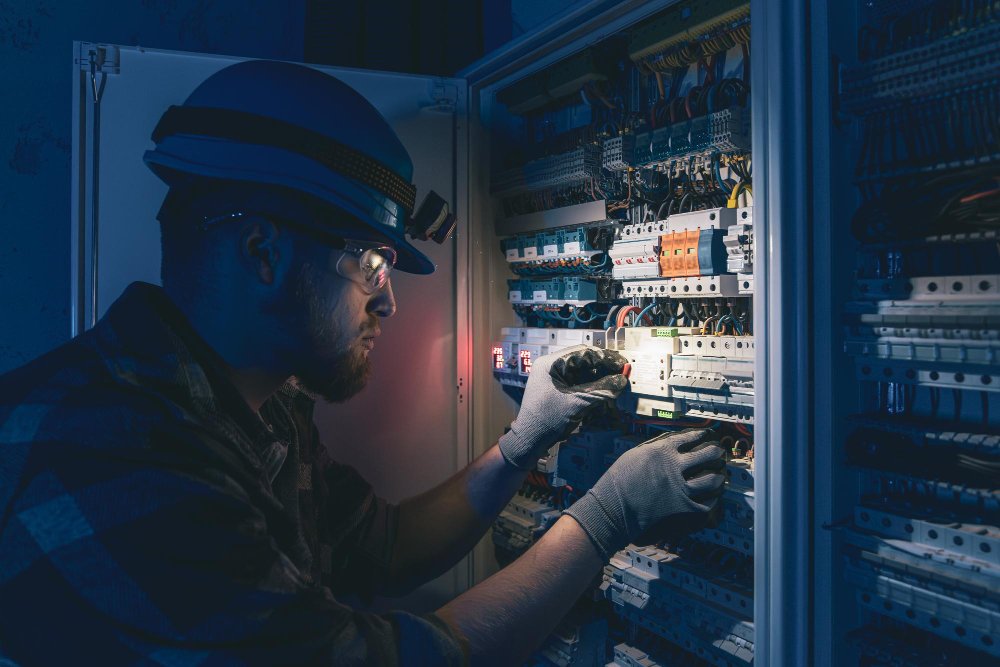
In these scenarios, it is advisable to consider hiring a licensed electrician:
- When embarking on renovation works or adding onto your home
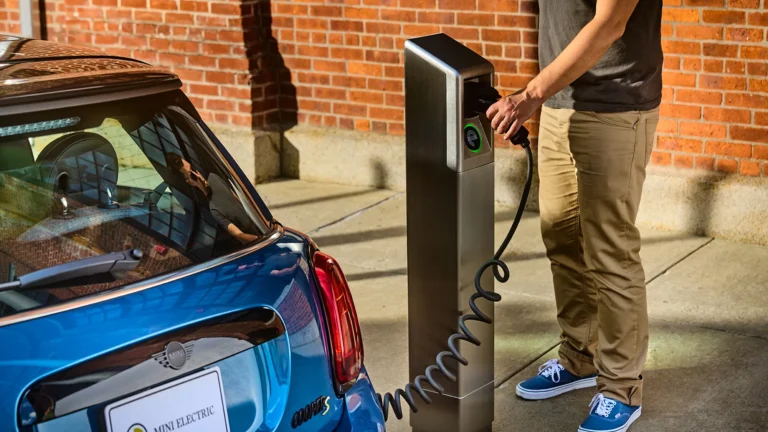
- When installing EV chargers
- For major appliances upgrade
- When changing an old electrical panel
- Before buying an older house
- When preparing your property for sale
- While planning to put up outdoor lighting
- Or when doing preventative maintenance works.
Professional electricians will be able to detect any underlying problems and provide necessary suggestions for improvements.
How Much Do Common Electrical Repairs Cost in New York?
Repair costs will differ based on the difficulty of the repair, access, material cost, and labor rates in New York State.
| Electrical Repair | Typical Cost Range |
| Electrical inspection | $150–$400 |
| Outlet replacement | $100–$300 |
| Light switch replacement | $100–$250 |
| Circuit breaker replacement | $150–$500 |
| Wiring repair | $200–$1,500+ |
| Whole-home surge protection | $300–$900 |
| Electrical panel upgrade | $2,000–$5,000+ |
Getting several estimates from a professional electrician would assist the homeowner to make comparisons and settle for the best solution to their electrical problems.
Conclusion
Many of the common electrical problems, such as overload of circuits, power surges, and faulty wiring, can be avoided through planned efforts. Having your electrical systems in proper shape can keep them in good working order, and help avoid any unexpected costs as well.
Whether it is a historic brownstone in New York City or a more recent one in some other part of New York, taking care of regular inspections and electrical maintenance services can go a long way towards keeping your electrical system running smoothly and safely.
Frequently Asked Questions
Overloading of circuits is one of the most common electrical problems. It arises when too many appliances are plugged into one circuit, causing frequent breaker tripping and overheating.
The following are some of the signs of electrical problems: flickering lights, breaker trips, odors, buzzing outlets, dead outlets, and power surges. In case you experience any of these, it is advisable that you get your electrical system checked by a professional electrician.
The four types of electrical faults include open circuit faults, short circuit faults, ground faults, and overload faults. All of these have an impact on your electrical system and must be fixed by a professional electrician.