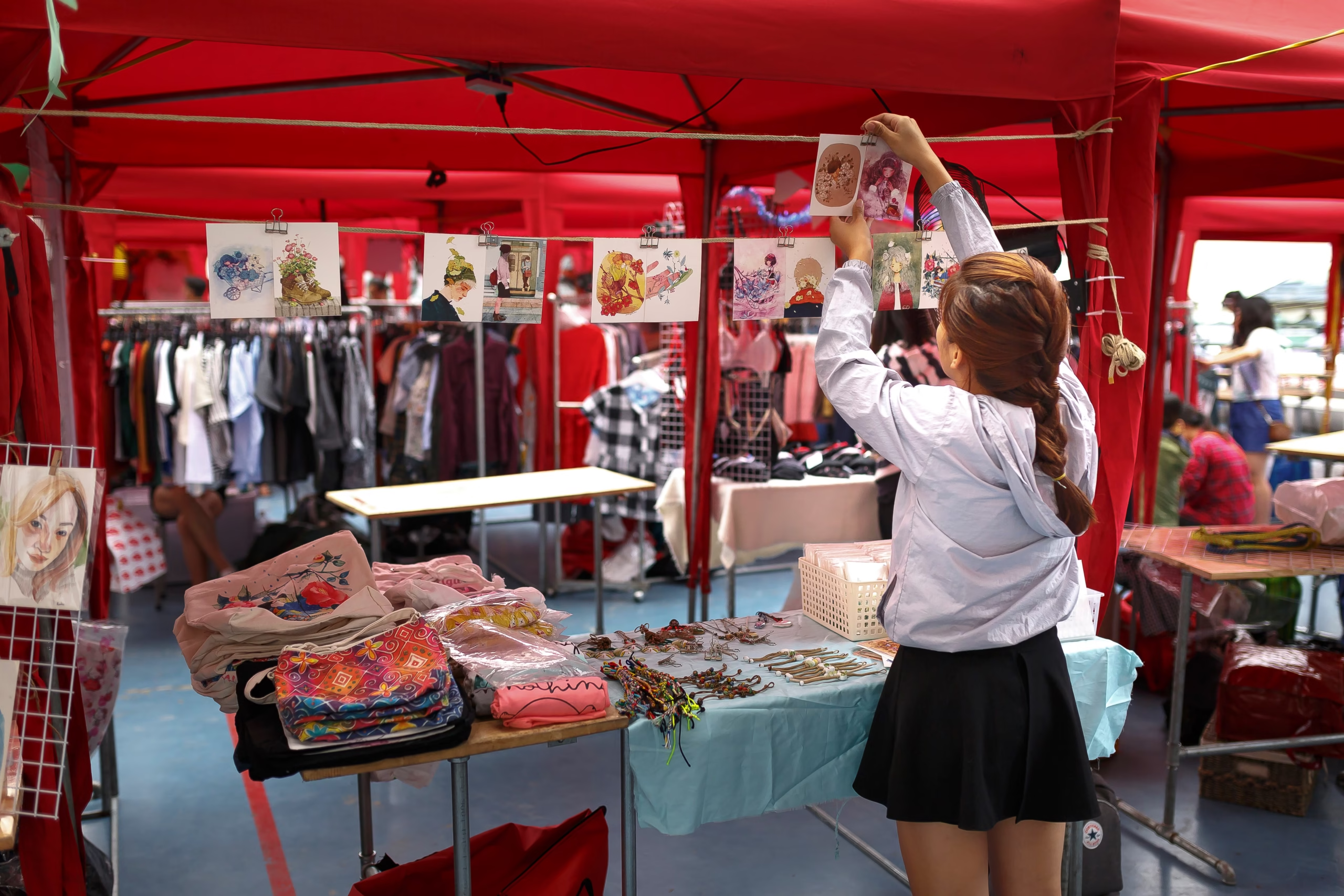
Tradeshow events in New York are high-speed, high-pressure, high-budget events that require every inch of booth space to be utilized wisely. For participants, selection of the right type of exhibit will directly influence their exposure, ability to generate leads, and overall ROI from the show. It is within this context that Portable Trade Show Displays in NYC have become the preferred option for companies big and small.
Offering mobility, affordability, and practicality, portable displays enable companies to respond flexibly to different venues while still being able to make effective use of their visual brand and marketing efforts. This guide provides all the information you need on the topic of NYC Trade Show Displays.
What Are Portable Trade Show Displays?

Portables are modular and lightweight exhibit structures meant for multiple applications at different shows. Portables differ from custom booths where lots of time, effort, and money are invested during construction.
A portable trade show display refers to pre-engineered exhibit systems that are easily portable, assembled, and disassembled within a short while without much time or effort being involved. These structures have been utilized heavily in expensive exhibition locations such as New York.
Common Types of Portable Trade Show Booth Displays
- Pop up display booths – This refers to foldable booth frame systems that use either magnetic or graphic panels
- Tension fabric display booths – This involves light aluminum frames along with stretch fabric graphics
- Modular display booths – This involves flexible booth structures that can be adjusted according to booth size
- Banner system booths – This involves roll up banners, tabletops, and portable branding devices
Each system permits the exhibitor to adapt his display and message to fit the nature of the event.
Materials Used
The most common materials used for portable displays include:
- Aluminum frame (light and strong)
- Polyester or tension fabric graphics
- PVC or composite panels for branding elements
Average life span is 3-5 years.
Why NYC Exhibitors Prefer Portable Booths
One of the most competitive exhibition markets is New York City, particularly at the Javits Center. Exhibitors have their own challenges associated with costs and venue logistics that make portable exhibits very appealing.
High Booth Costs in NYC
Cost of exhibiting in NYC is relatively high, especially when we talk about high-end trade shows. Portable booths will help to cut overall cost of your exhibition.
Venue Logistics Are Tight
The Javits Center operates under tight construction schedule, tight installation window, and tight booth guidelines. Portable booths will help to make things easier.
Cost of Freight, Labor, Drayage
Traditional booths involve freight, labor, and drayage of materials. Drayage alone is usually one of the most hidden costs in trade shows.
Setup Time Requirements
Portable booths allow for quick assembly of 1-3 hours only.
Cost Breakdown: How Much Does a Trade Show Display Cost?
Trade show display pricing varies widely depending on complexity and customization:
- Banner stands / small portable kits: $200 – $1,500
- Pop-up booth systems: $1,500 – $5,000
- Tension fabric displays: $3,000 – $10,000
- Modular booth systems: $8,000 – $25,000+
- Custom booths: $25,000 – $100,000+
Additional costs to consider:
- Shipping and logistics
- Installation and dismantling
- Storage between events
- Graphic redesigns
Over time, portable systems usually offer lower cost per show compared to custom builds.
Types of Portable Trade Show Displays (With Use Cases)
Pop-Up Displays
Best for small teams and budget-conscious exhibitors. These are lightweight, easy to transport, and ideal for:
- Startup booths
- Networking events
- Short-duration expos
Tension Fabric Displays
These new-age display solutions provide high-impact visuals without much effort in setting up. Step and repeat backdrops are used by many participants at trade shows for product launches, media conferences, and business networking events, along with booths to create branded photo moments. These are typically used for:
- Product launches
- Corporate branding activations
- High-traffic exhibitions
Modular Booth Systems
Designed for scalability and long-term use, modular systems are ideal for:
- Multi-city exhibitors
- Growing businesses
- Brands requiring flexible booth sizes
Banner Stands & Table Displays
Banner stand success is highly dependent upon the quality of graphics. Trade show banner printing will allow you to make sure that your banners, fabric displays and graphics are professionally printed and therefore attract people’s attention. Affordable branding materials for:
- Entry-level exhibition setups
- Supplementing larger booths
- Side messaging and promotions
Portable vs Custom Trade Show Booths (Cost & ROI Comparison)
| Factor | Portable Booths | Custom Booths |
| Upfront Cost | Low to moderate | High |
| Setup Time | 1–3 hours | 1–3 days |
| Reusability | High | Limited |
| Flexibility | High | Low |
| Branding Impact | Strong | Very strong |
| ROI (Multi-show use) | High | Medium to high |
Portable systems provide a higher ROI value for organizations that participate in several events throughout the year because of reuse and cost reduction.
Rental vs Purchase: What Works Best in NYC?
In comparing trade show display rentals to purchases, frequency and strategy play an important role.

When Rentals Make Sense
- First-time exhibitors testing trade shows
- One-time or seasonal campaigns
- Companies with limited storage space
When Ownership Is Smarter
- Exhibitors attending 3+ shows per year
- Brands needing consistent visual identity
- Companies focused on long-term cost savings
Hybrid Strategy (Most Common in NYC)
Many exhibitors use their own modular system and also hire upgrades such as lighting, flooring, and digital screens.
How to Choose the Right Booth Size
10×10 Booth Strategy
Ideal for startups and first-time exhibitors. Focus on:
- Clear branding
- Lead capture efficiency
- Minimal but impactful design
10×20 Scaling Strategy
Best for growing companies needing more engagement space:
- Product demonstrations
- Meeting areas
- Stronger visual presence
Small vs Large Exhibitors
- Small businesses: prioritize portability and clarity
- Larger brands: prioritize modular scalability and storytelling zones
Common Mistakes NYC Exhibitors Make
- Overloading booths with too much information
- Underestimating total logistics costs
- Choosing booth types that don’t match goals
- Poor planning for setup and breakdown
These errors can be avoided which helps to increase the ROI and visitor engagement. Making the correct choice of the display is not the only way to do things. Collaborating with the professional company can be very helpful.
Checklist Before You Order a Portable Display
Before investing, ensure:
- Budget includes design, shipping, and reuse cycles
- Shipping schedule is confirmed early
- Booth design aligns with brand messaging
- Venue requirements are reviewed in advance
- Lead capture strategy is in place
Conclusion
The selection of the appropriate exhibition system can be critical for the success of your participation in the trade show. It can help to achieve better results and get more profit from participating in such events. Portable Trade Show Displays can be the optimal choice due to their affordability, convenience, and effective marketing functions. This kind of exhibition system allows saving time, reducing costs related to transportation, assembly and disassembly of displays, and using the same system at different trade shows.
In case you have never participated in a trade show or want to change your current strategy, you should choose proper Portable Trade Show Booth Displays that will be effective for you and suitable for your needs. You should understand the purpose of your participation, select the adequate booth and type of displays, and take into account specific features of the New York exhibitions.
FAQ
The price of a trade show display will depend on the dimensions of the display, how customized the design is, materials, and the overall look and feel of the display. Portable displays and banner stands are among the most economical options available. Don’t forget about allocating funds for graphics, shipping, setup costs, and venue expenses.
The four major types of trade shows include industry trade shows, consumer trade shows, hybrid trade shows, and virtual trade shows. As you can understand from their names, industry trade shows are aimed at professionals only, whereas consumer trade shows are available to everyone.
Some common booth errors are stuffing the booth with too much information, unclear messaging, lack of concern about lighting, poor logistics management, and failure to interact with people. The selection of a booth that does not meet your needs and those of your audience may lower your return on investment.
The standard 10×10 vendor booth measures 10 feet wide and 10 feet deep, giving an exhibition area of 100 square feet. It is one of the most preferred booths by startups and small companies since it provides ample space for a backdrop, table, products, and interactions with people.