Owning a car in New York City can be challenging, but it is far from impossible. Dense neighborhoods, expensive parking, heavy traffic, limited garages, and busy streets can make car ownership more complicated than in many suburban areas. However, drivers who plan ahead and understand the city’s unique driving environment can make vehicle ownership considerably easier.
For some residents, having a personal vehicle remains valuable for weekend trips, visiting family outside the city, transporting large purchases, or traveling beyond the reach of public transportation. The key is understanding how to manage the practical responsibilities that come with keeping a vehicle in a dense urban environment.
Finding the Right Parking Solution
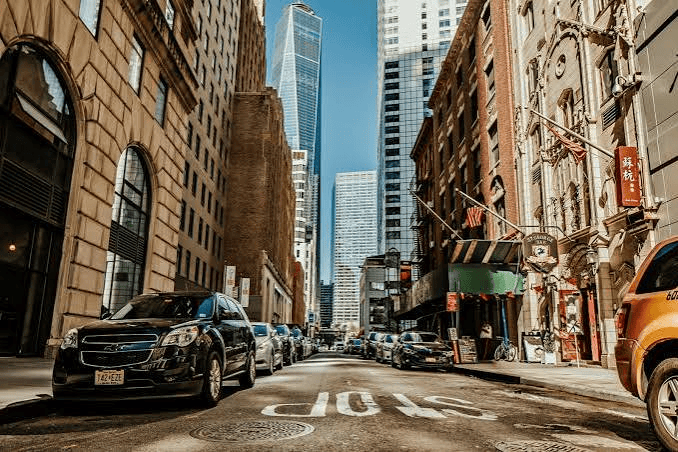
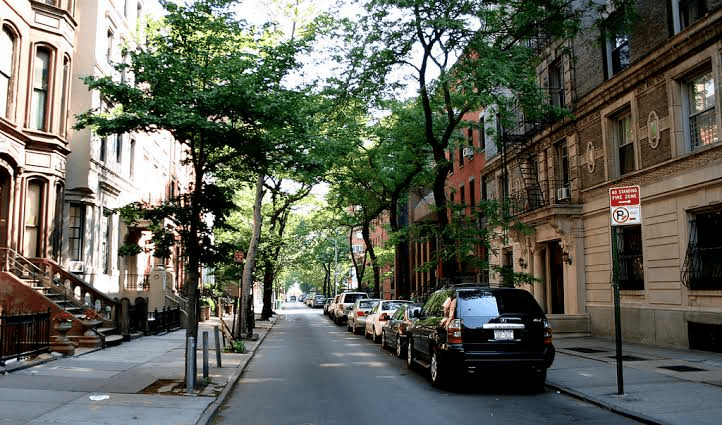
Parking is one of the biggest challenges for New York City drivers. Street parking can be inexpensive compared with a garage, but it requires drivers to pay attention to parking signs, alternate-side regulations, street cleaning schedules, and other restrictions.
Garages offer greater convenience and protection from weather and potential street damage, although monthly rates can be significant. Drivers who expect to remain in the same neighborhood for an extended period may want to compare monthly and annual parking options. Shopping around can help identify a garage that balances location, security, accessibility, and price.
The right parking strategy often depends on how frequently the vehicle is used. Someone who drives only occasionally may prefer a secure garage, while a driver who uses the vehicle every day may place greater value on easy access.
Managing Fuel and Operating Costs
Fuel expenses can add another layer to the cost of owning a vehicle in New York City. Gas prices can vary considerably between neighborhoods and surrounding areas, so drivers may benefit from comparing prices before filling up.
Reducing unnecessary trips can also help control fuel consumption. Combining errands, planning routes in advance, and avoiding excessive idling are simple ways to make city driving more efficient.
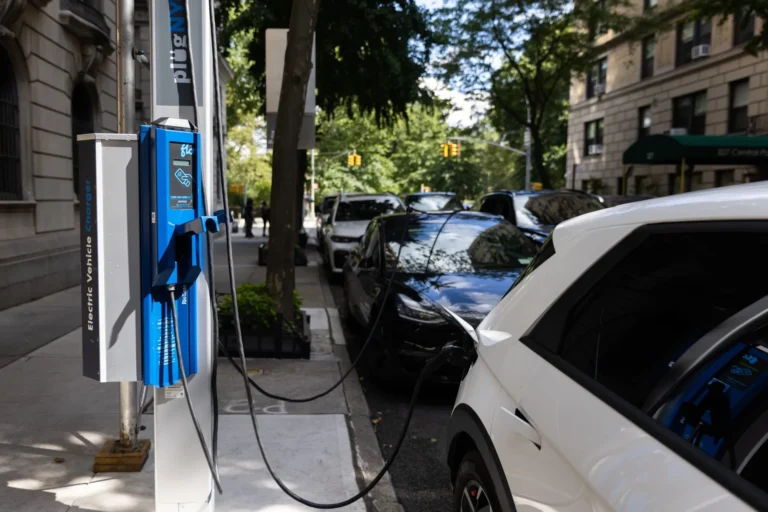
For electric vehicle owners, charging presents a different set of considerations. New York City’s expanding EV charging infrastructure gives drivers additional options when home charging is unavailable, including access to new public chargers being added across the city.
Maintaining a Vehicle in an Urban Environment
Routine maintenance can be more complicated for drivers who live in apartments without garages or private driveways. Tasks such as changing fluids, replacing parts, or performing larger repairs generally require access to a professional repair facility.
Drivers should establish a relationship with a reliable mechanic and keep up with preventive maintenance. Regular inspections can help identify problems before they become more expensive repairs.
Finding a convenient repair shop is particularly useful because vehicle issues can become more disruptive when parking and transportation options are limited.
Keeping a Car Clean
Regular car washing and detailing can also require additional planning in New York City. Many residents do not have access to a private driveway where they can wash or detail their vehicles.
Commercial car washes and self-service facilities can provide practical alternatives. Drivers who care about maintaining their vehicle’s appearance may want to find a facility that offers the services they need, from basic washing to interior cleaning and detailing.
A consistent cleaning routine is particularly useful in an urban environment, where road dust, construction debris, weather, and other conditions can quickly affect a vehicle’s exterior.
Driving Safely on New York City Streets
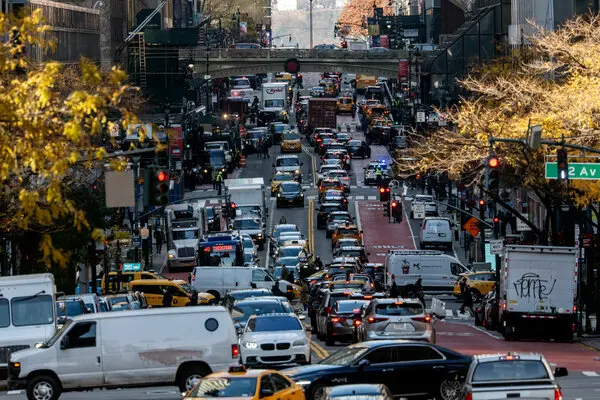
Driving in New York requires constant awareness. Traffic can change quickly, lanes may merge or end unexpectedly, and pedestrians, cyclists, motorcycles, buses, and delivery vehicles all share limited road space.
Drivers should remain alert, check mirrors frequently, maintain safe following distances, and anticipate sudden movements from other road users. Navigation apps can also help identify construction, congestion, road closures, and alternative routes.
Potholes and uneven pavement are another concern. Damaged roads can affect tires, wheels, suspension components, and other vehicle parts. Slowing down when approaching damaged pavement can reduce the likelihood of expensive repairs.
Planning for Seasonal Driving Conditions
New York City’s weather can create additional challenges for vehicle owners. Winter temperatures, snow, road salt, and freezing conditions can affect tires, batteries, brakes, and bodywork.
Drivers who travel outside the city during winter may also want to prepare their vehicles for longer trips and changing road conditions. Keeping appropriate emergency equipment, checking tire condition, and following recommended maintenance schedules can make seasonal driving safer.
Building a Network of Reliable Services
Successful car ownership in New York often depends on knowing where to find dependable automotive services. A trusted mechanic, convenient car wash, reliable parking facility, tire shop, and roadside assistance provider can make vehicle ownership much less stressful.
It can also be helpful to identify automotive services in surrounding areas. Some drivers may find more convenient pricing or facilities outside Manhattan and other densely populated neighborhoods, particularly for maintenance or larger vehicle projects.
Using the Car Strategically
A vehicle does not necessarily need to be used for every trip. New York City’s extensive public transportation system means many residents can combine driving with subway, bus, walking, cycling, or other transportation options.
Using the car strategically can reduce fuel, parking, maintenance, and traffic-related expenses. The vehicle can be reserved for trips where it provides the greatest convenience, such as traveling outside the city, transporting bulky items, or reaching locations that are difficult to access by public transportation.
Conclusion
Owning a car in New York City requires more planning than vehicle ownership in many suburban communities, but the challenges can be managed with the right approach. Parking strategically, maintaining the vehicle regularly, monitoring operating costs, driving defensively, and identifying reliable automotive services can make city car ownership considerably more practical.
For residents who value the flexibility of having a personal vehicle, the effort can be worthwhile. The key is adapting to the city’s unique conditions rather than treating car ownership as though the vehicle were being kept in a traditional suburban setting.
FAQs
It depends on individual needs. A car can be valuable for commuting outside the city, weekend travel, family trips, transporting large items, or visiting areas with limited public transportation. However, parking, maintenance, insurance, fuel, and other costs should be considered.
Street parking can be challenging because parking spaces are limited and drivers must follow signs, street cleaning schedules, alternate-side regulations, and other restrictions. A private garage can provide greater convenience but usually comes at a higher cost.
It can be practical, although charging access should be considered before purchasing an EV. Residents without private parking or home charging may need to rely on public charging stations, and the availability of charging infrastructure can vary by neighborhood.
Parking is often one of the biggest challenges, particularly in densely populated neighborhoods. Traffic, road conditions, operating expenses, and vehicle maintenance can also make ownership more demanding than in less densely populated areas.