Damage to the roof is a very common problem facing property owners in New York, but determining whether it is best to repair or replace the roof is not always an easy task. The harsh winter weather conditions and heavy rains can have a negative impact on the roofs in New York.
Although there are roofing issues that can be solved by simply carrying out repairs, other issues may mean that it is best for you to carry out roof replacement. It is important to know the difference between repairing your roof and roof replacement in order to protect your investment.
Understanding the Difference Between Roof Repair and Roof Replacement
However, both services deal with the problem of roofs but are not identical in their purpose.
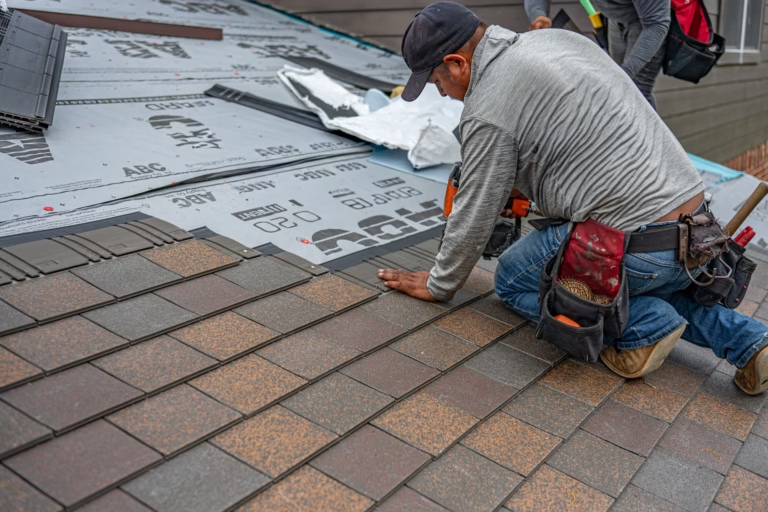
In the case of roof repairs, the service is aimed at restoring particular areas of the damage while keeping the current roof in place. Repairs are usually performed for the sake of leak sealing, shingle replacement, flashing repair, or storm damage repair.
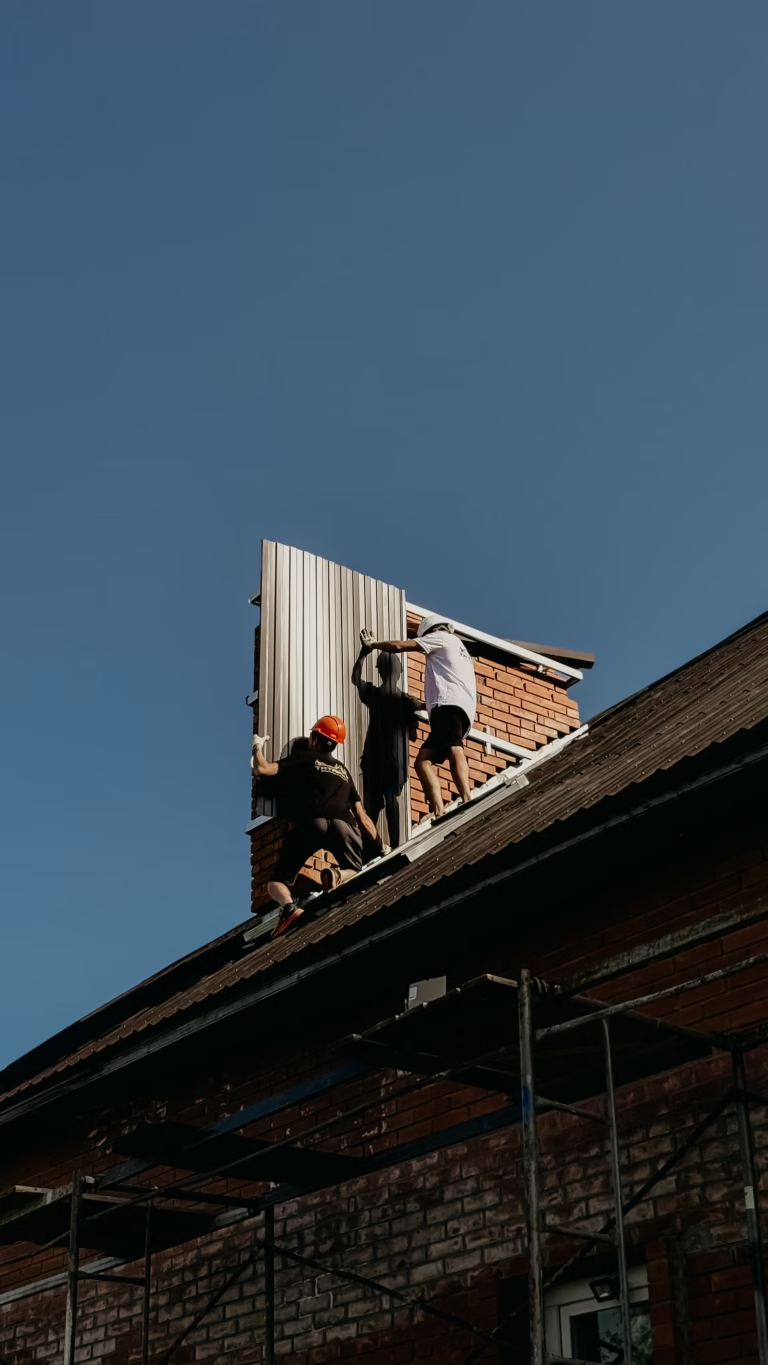
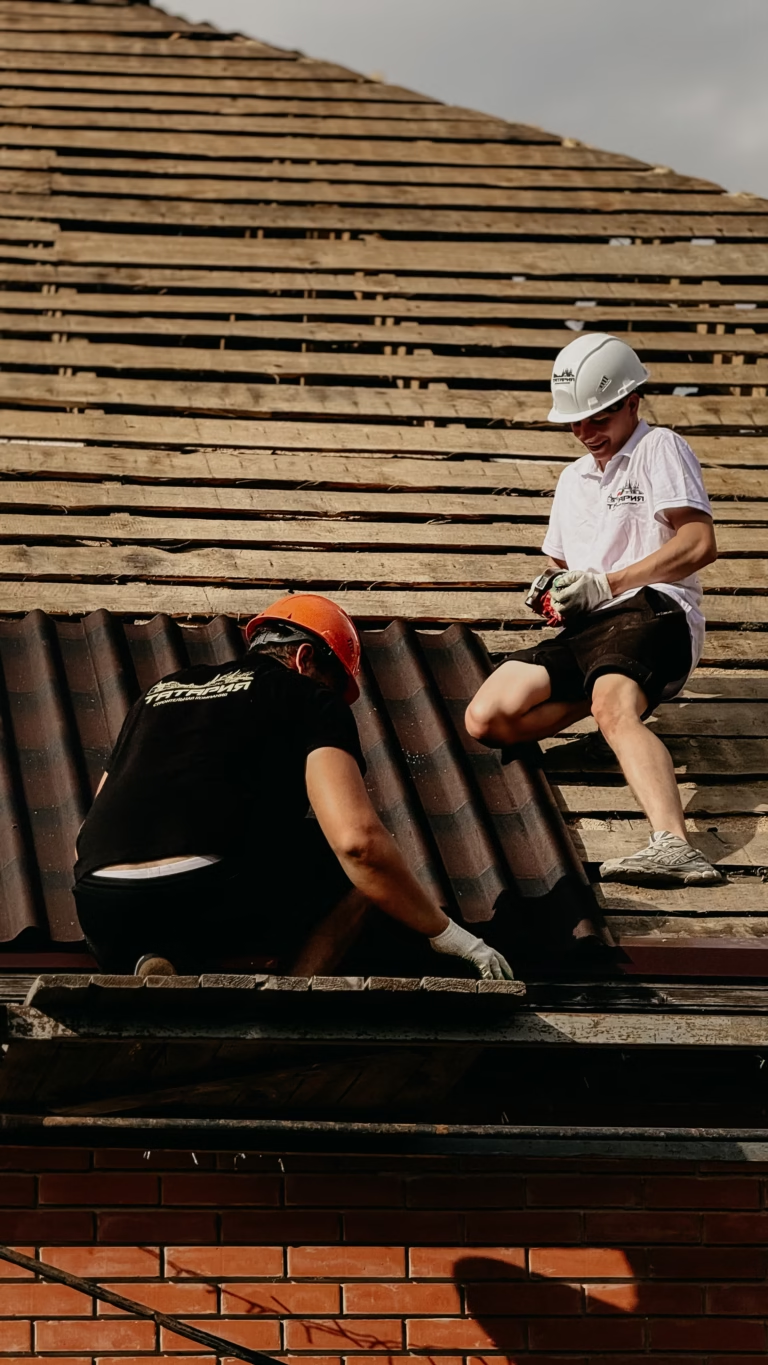
Roof replacement is when the part or all of the current roof are removed and replaced with a new one. This method is advised when the roof has come to the end of its life or has suffered from considerable damage that cannot be fixed with the help of repairs.
The selection of the best option depends on various factors.
When Is Roof Repair the Right Choice?
Repairing the roof will be relatively cheap in situations where damage is confined to a small area and other elements of the roofing system are still intact.
Repair is the best choice in cases of:
- Several missing shingles.
- Roof leakage that has been detected in the roof.
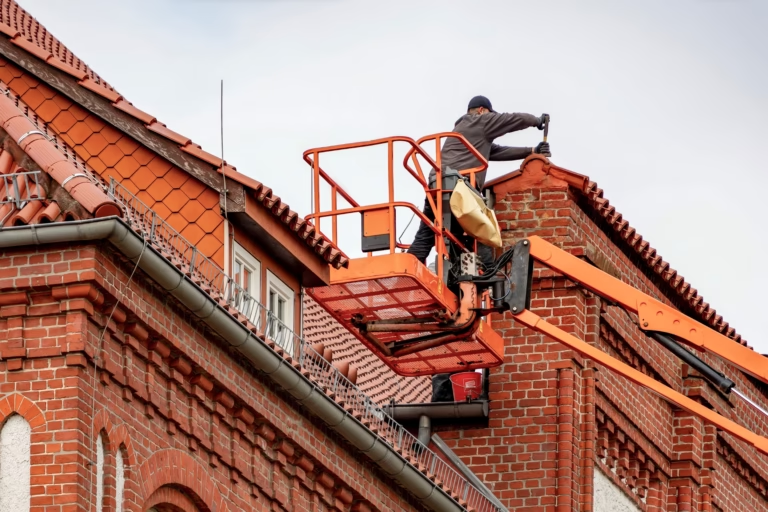
- Flashing around chimneys, skylights, and vents that need replacing.
- Damage due to a storm that has occurred in one part of the roof only.
- Minor punctures and cracks.
- Relatively new roof that is structurally sound.
Fixing these problems as soon as possible prevents water leakage, mold growth, insulation damage, and other costly structural repairs.
When Is Roof Replacement the Better Option?
It is wise to go for a full roof replacement in cases where repairs cannot bring back the roof’s efficiency or reliability.
Roof replacement is usually advised when:
- It has reached the end of its normal lifespan.
- There are many leaks or recurring leaks.
- There are large areas where the shingles have been lost, broken, or are deteriorating.
- There is a sagging or weakened roof deck.
- There is storm damage on a considerable part of the roof.
- Repair expenses keep rising every year.
A new roof will protect you for years to come while also increasing the energy efficiency of your home as well as its value.
Roof Repair vs. Roof Replacement Comparison
| Factor | Roof Repair | Roof Replacement |
| Purpose | Fixes localized damage | Replaces the entire roofing system |
| Best For | Minor damage and newer roofs | Aging roofs or widespread damage |
| Initial Cost | Lower | Higher |
| Project Duration | Usually a few hours to one day | Typically one to several days |
| Lifespan | Extends the existing roof | Provides an entirely new service life |
| Property Value | Maintains current value | Can significantly increase value |
| Energy Efficiency | Limited improvement | Often improves insulation and efficiency |
| Long-Term Value | Best for isolated issues | Better investment for older roofs |
Factors to Consider Before Making Your Decision
A number of significant considerations must be taken into account prior to determining whether your roof should be replaced or repaired.
Age of the Roof
If the age of your roof is close to or has surpassed its average lifespan, roof replacement may turn out to be less expensive than roof repairs.
Amount of the Damage
Localized and small damages can be easily fixed, but extensive damage will indicate the necessity of a roof replacement.
Type of the Roofing
There are some kinds of roofing that can be easily repaired. Additionally, some older types of roofing can prove hard to match, hence requiring replacement.
Frequency of Repairs
If you find yourself making frequent calls for a roofing contractor each year to attend to new issues, replacing the roof could save you money in the long run on repairs.
Future Plans for Your Property
If you are planning to sell your home or business premises in the near future, getting a new roof installed can help boost the appearance of the building and even its market value.
Roof Repair vs. Roof Replacement Costs in New York
Roof repair is more affordable in most cases since only the areas requiring repairs are done. The final cost will be dependent on the amount of damage, type of roofing material, accessibility, labor cost, and structural issues.
On the other hand, roof replacement demands more financial resource since the old roof removal, installation of new materials, and possible repair work on the roof deck are included. This cost will depend on the size of the roof and its complexity, material choice, permitting process, and labor cost all over New York State.
Getting quotes from roofing experts helps to evaluate the prices and pick up a better option for you.
Why a Professional Roof Inspection Matters?
Getting a professional roof inspection helps one decide whether repair or replacement of the roof is appropriate.
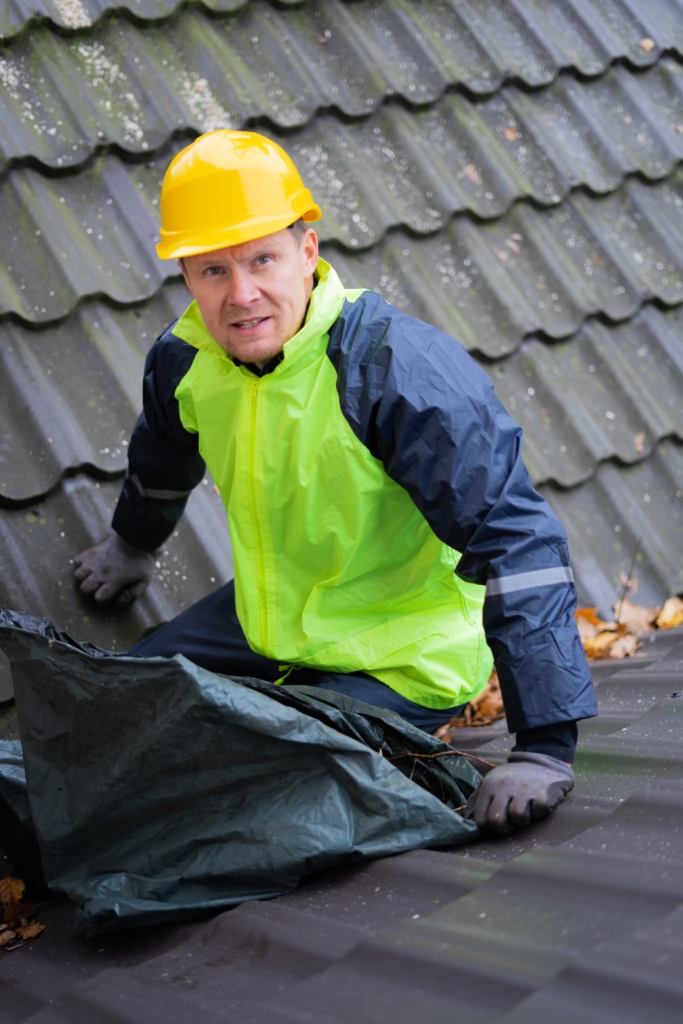
During a roof inspection, a roofing contractor usually assesses:
- Roofing material
- Flashing
- Roof decking
- Structural soundness
- Ventilation
- Water intrusion
- Storm damage
- Lifetime of the roof
However, many roofing issues occur below the surface and cannot be detected from the ground. With an inspection, these can be detected before they turn into big problems.
Choosing the Best Solution for Your Property
There is no such thing as one solution fits all roofs.
In the case where your roof is relatively new and the damage is minor, then repairs will help to restore the roof’s efficiency and increase its lifespan. But in cases where your roof is old and has lots of damage or needs frequent repairs, then replacing the roof will be more beneficial.
Getting assistance from a professional roofing contractor guarantees that you get a proper evaluation and recommendations according to your needs.
Conclusion
The choice between roof repair and roof replacement is a significant choice which will affect the safety and durability of your roof and the future maintenance expenses. Repairs are usually the correct choice in case of small damages on relatively new roofs, whereas replacement becomes preferable in case of extensive damage or when the roof’s useful life period expires.
Residents of New York must pay great attention to the regular inspection and maintenance of their roofs, as it is the best way to prolong the roof life span and avoid expensive repairs. Properly installed replacement roof will stand any New York weather conditions.
Frequently Asked Questions
If the damage is minor and the roof is still in good overall condition, repairs are usually the most cost-effective option. However, if the roof is older, has widespread damage, or requires frequent repairs, replacement often provides better long-term value.
The right decision depends on your roof’s age, condition, and the extent of the damage. A professional roof inspection can determine whether repairs will solve the problem or if replacing the roof is the better long-term investment.
Roof replacement is generally recommended when the roof has reached the end of its expected lifespan, has multiple leaks, extensive storm damage, significant material deterioration, or structural issues that cannot be repaired effectively.
Yes. Promptly repairing leaks, replacing damaged shingles, fixing flashing, and addressing minor issues can significantly extend the lifespan of a roof. Regular maintenance and inspections also help prevent small problems from becoming major repairs.