Re-roofing is among the most significant investments for any property owner because it not only helps increase safety but improve the energy efficiency of the house and its overall curb appeal. Moreover, it protects the structure from costly damage related to water infiltration and extreme weather conditions.
Whether you have brownstone in Brooklyn, townhouse in Queens, commercial building in Manhattan, a multifamily building in the Bronx, or property in Staten Island, it will be helpful to know what factors can affect roof replacement cost.
This guide provides the information about various aspects of roof replacement including factors affecting pricing, types of roofing materials, costs associated with the project, etc.
What Is the Average Roof Replacement Cost?
The price for roof replacement is dependent upon the following variables: the size of the property, type of roofing, labor required, site accessibility, and complexity of the project. Instead of using one price as an average estimate, it would be better to get familiar with the factors that determine your actual estimate.
A professional roofing company would examine your roof to determine its current condition and size, and any structural defects if there are any, prior to giving you an estimate.
In addition to the above mentioned factors, other considerations should be taken into account when determining the estimate for the New York City properties.
Factors Influencing Roof Replacement Cost
A number of main factors affect the total cost of a roof replacement.
Roof Size
Since bigger roofs need more materials to install and take longer to cover, their installation costs more.
Material
The choice of roofing material affects the price. The most cost-effective material is usually the asphalt shingles; metal, slate, and tile roofing materials are relatively expensive yet durable and long-lasting.
Pitch and Style of a Roof
The greater roof pitch and more complicated roof design, such as multi-level or complicated structure with numerous elements (steep roof, dormers, chimneys, skylights etc.) make the installation process more complicated and expensive.
Demolition of Existing Roofs
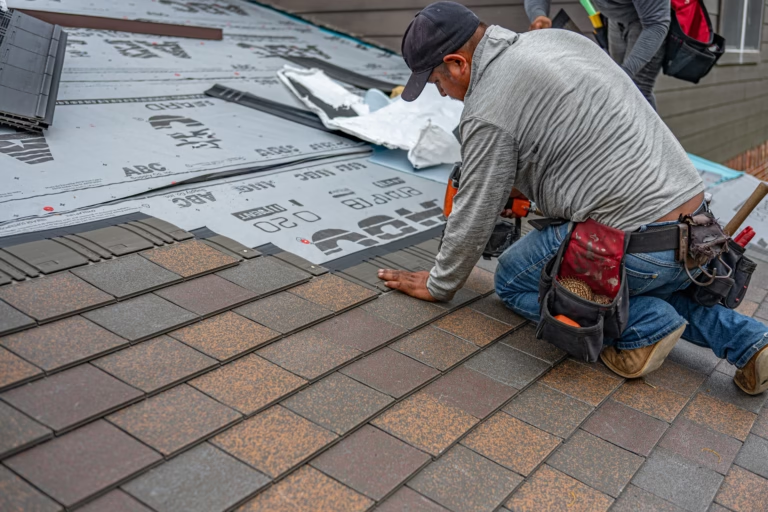
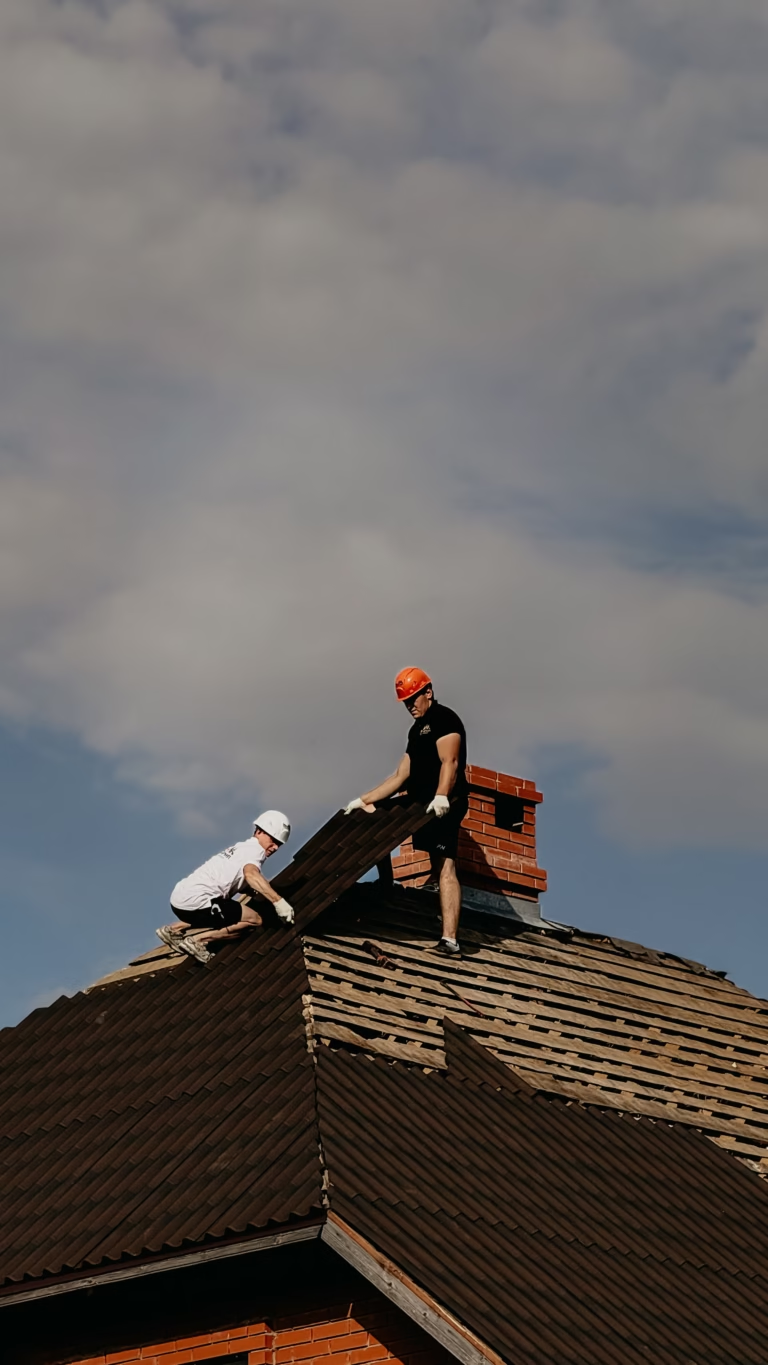
Removal of the existing roof and disposal of debris is an additional cost to be considered, especially in cases of a roof replacement of multiple layers.
Structural Repairs
Water damage or deterioration in the roof decking or framing may be necessary to address prior to the installation of a new roof system.
Labor Costs
Labor costs are substantial for any roofing project. Labor costs depend upon the expertise of the contractor and nature of the work involved.
Permits and Building Regulations
For any roof replacement project in New York City, permits may or may not be needed as per the specifications required by local laws.
Roof Replacement Costs by Roofing Material
The characteristics of each roofing material vary in terms of cost, longevity, and maintenance requirements.
Asphalt Shingles
Asphalt shingles remain among the most common roofing materials in residential construction as they are affordable, reliable, and come in many styles and colors.
Metal Roofing
Metal roofs have a higher initial cost but they feature superior durability and weather resistance, improve energy efficiency, and last longer than several decades.
Clay and Concrete Tiles
These roof tiles provide great longevity and weather resistance as well as create a unique architectural design. Due to the heaviness of the material, additional support may be required during installation.
Slate Roofing
One can see many houses in Brooklyn and Manhattan that have slate roofs. Despite being one of the most expensive roof materials, slate roofs are worth the investment in the long term.
Flat Roofing Systems
Numerous commercial structures across Manhattan, Downtown Brooklyn, Long Island City, and the Bronx make use of flat roof systems including:
- TPO
- EPDM
- PVC
- Modified Bitumen
The cost to install will vary according to size of the roof, drainage needs, rooftop fixtures, insulation improvements, and the overall complexity of the project.
Residential vs. Commercial Roof Replacement Costs
Construction and design of residential and commercial roofs are substantially distinct from each other.
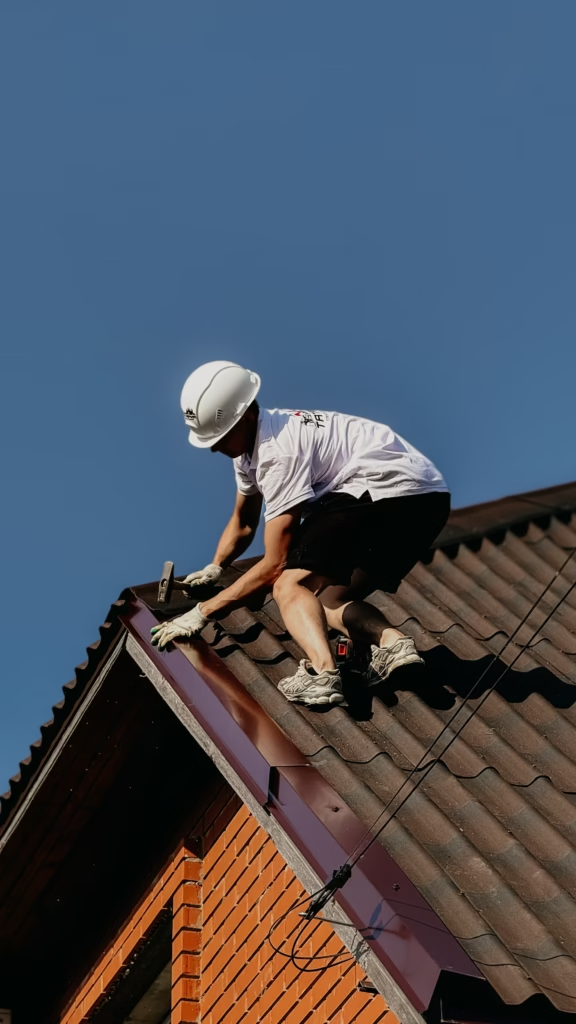
Residential Roof Replacement
The most common residential roofs are composed of asphalt shingles, metal, slate, or tiles. Cost factors for the project include the size of the roof, the materials chosen, the slope of the roof, accessibility, and architecture of the house.
Whether you are replacing the roof of a free-standing home in Queens, a brownstone in Brooklyn, or a property in Staten Island, all homes will need their own custom quote.
Commercial Roof Replacement
The commercial roofing jobs tend to be larger-scale jobs involving more complicated flat or low-sloped roof systems.
Many of these properties within the Manhattan, the Bronx, and Long Island City areas have mechanical installations such as HVAC systems on their rooftops.
Additional Costs to Consider
BIn addition to the cost of roof materials, there are a few other costs which might affect your total budget.
These could be:
- Fixing of the roof deck
- Flashing repair
- Improvement of ventilation
- Gutter replacement
- Installing skylights
- Chimney repairs
- Insulation upgrade
- Disposal of wastes
- Obtaining permits
It is better to discuss all the above costs before starting the project.
How to Budget for a Roof Replacement
Planning in advance will make the process of replacing your roof easier and minimize financial surprises.
A few budgeting suggestions include:
- Conduct regular roof inspections to detect problems early.
- Obtain estimates from several licensed roofing contractors.
- Compare warranties, materials, and quality of work – not just price.
- Budget for possible contingency costs due to structural issues.
- Check financing possibilities.
- Purchase durable and cost-effective roofing materials.
Though expensive roofing materials involve high initial costs, they tend to be more cost-effective in the long run.
Is Roof Replacement Worth the Investment?
Replacing an old roof is among the best investments that property owners can make in their lifetime.
A new roof will:
- Increase energy efficiency.
- Add value to the property.
- Improve curb appeal.
- Decrease maintenance costs.
- Provide protection against leakages.
- Increase buyer’s confidence during the selling process.
However, if your roof constantly needs repairing, or if it is reaching the end of its lifespan, then it can be worth more to replace it than to continue fixing it.
Getting an Accurate Roof Replacement Estimate
The best way to calculate your roof replacement costs would be via a professional roof inspection and estimate.
The best estimate should include:
Roof measurement
- Roofing materials required
- Labor costs
- Costs of removing the old roof
- Structural repairs that might be needed
- Project duration
- Warranty details
- Payment plan
Comparing estimates from several experienced roofing contractors allows you to evaluate pricing, workmanship, warranties, and the overall scope of work before making a final decision.
Conclusion
The importance of knowing the factors that affect roof replacement prices will help the homeowner in making wise financial decisions and plan the project. All roofing projects are unique and have different factors that will determine the amount of money required to complete the project. These include the roof size, materials used in construction, labor cost, accessibility, structure repairs, and local regulations among others. By arranging for professional roof inspection, comparing quotes, and working with an experienced roofer, homeowners, commercial property owners, real estate investors, and contractors can invest in a roofing solution that will provide lasting value and protection.
If you are replacing a roof of your house in Queens, doing renovations in a brownstone in Brooklyn, maintaining a commercial property in Manhattan, or investing in properties in the Bronx or Staten Island, you need to work with an experienced roofer and arrange for inspection.
Frequently Asked Questions
Choosing durable yet cost-effective materials such as asphalt shingles, scheduling work before major damage develops, and comparing estimates from multiple licensed roofing contractors can help reduce overall replacement costs without sacrificing quality.
The cost of a new roof depends on factors such as roof size, roofing material, labor, accessibility, and project complexity. Because every property is different, a professional roof inspection and written estimate provide the most accurate pricing.
Most residential roof replacements are completed within one to three days, although larger or more complex homes may require additional time. Commercial roofing projects can take longer depending on the size of the building, roofing system, weather conditions, and project scope.