Selecting the appropriate roofing material will be one of the most important decisions that you will have to make when you start building a new home. The type of roof covering you select will determine the quality of protection, maintenance requirements, energy-efficiency level, and aesthetics of your roof covering.
If you live within the borders of Brooklyn, Queens, Manhattan, the Bronx, and Staten Island in New York City, you know how important the selection of the appropriate roof covering will be. Not only will you need to find something that will provide sufficient protection, but also something that will suit all kinds of architecture.
In this article, we compare different types of roof covering materials, look at the pros and cons of asphalt shingles and metal roof, and help homeowners, commercial property owners, real estate managers, and builders make a decision on the most appropriate material.
Why Choosing the Right Roofing Material Matters
The roof is an investment which not only safeguards your building but also adds to its visual appeal and value. The selection of the proper roofing materials will assist you in getting the best performance out of the ever-changing climate in New York City.
A good roofing system can also:
- Extend the life span of your roof
- Provide better insulation and comfort inside the house
- Save money on heating and cooling bills
- Save on maintenance costs in the future
- Improve the look of your property
- Raise the value of your property
Selection of a roofing material should go beyond considering only the cost.
Common Types of Roofing Materials
There are various types of roofing that are used on residential or commercial structures within New York City.
Asphalt Shingles
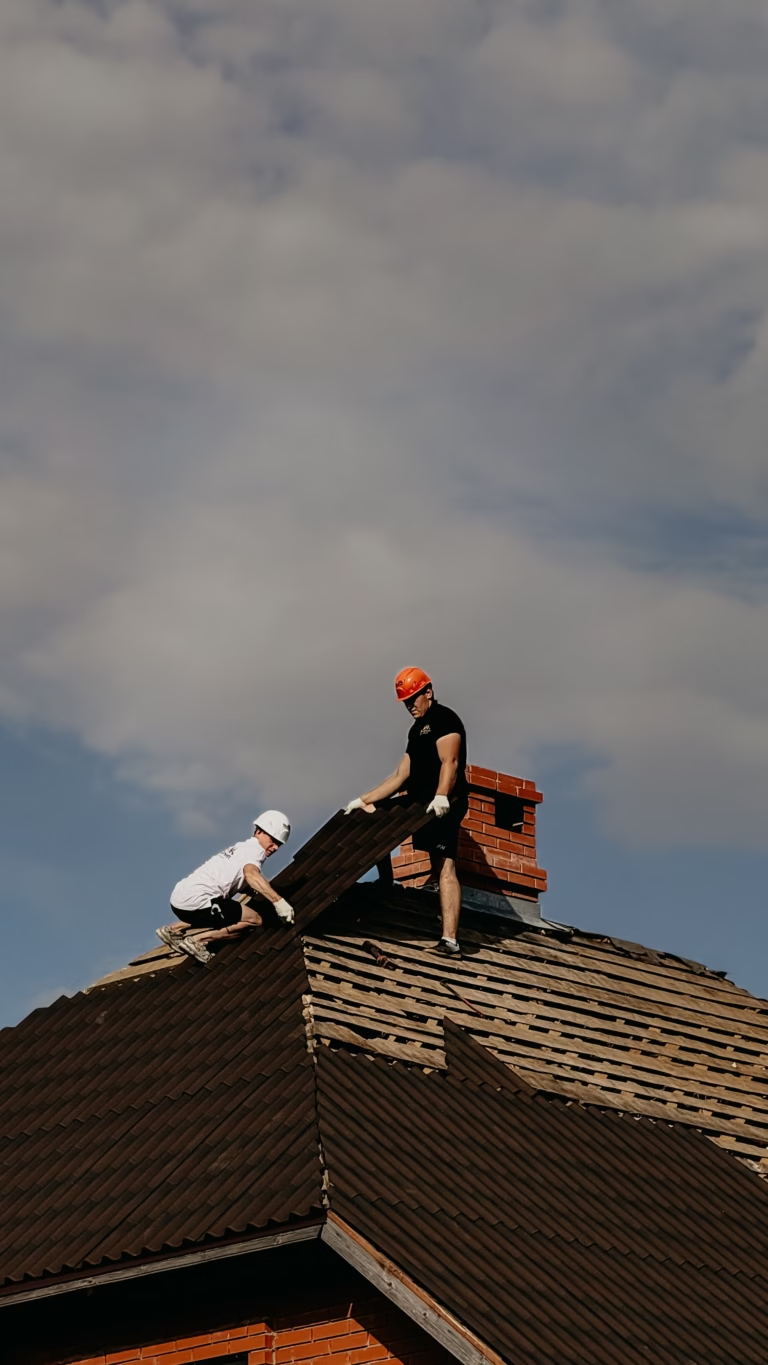
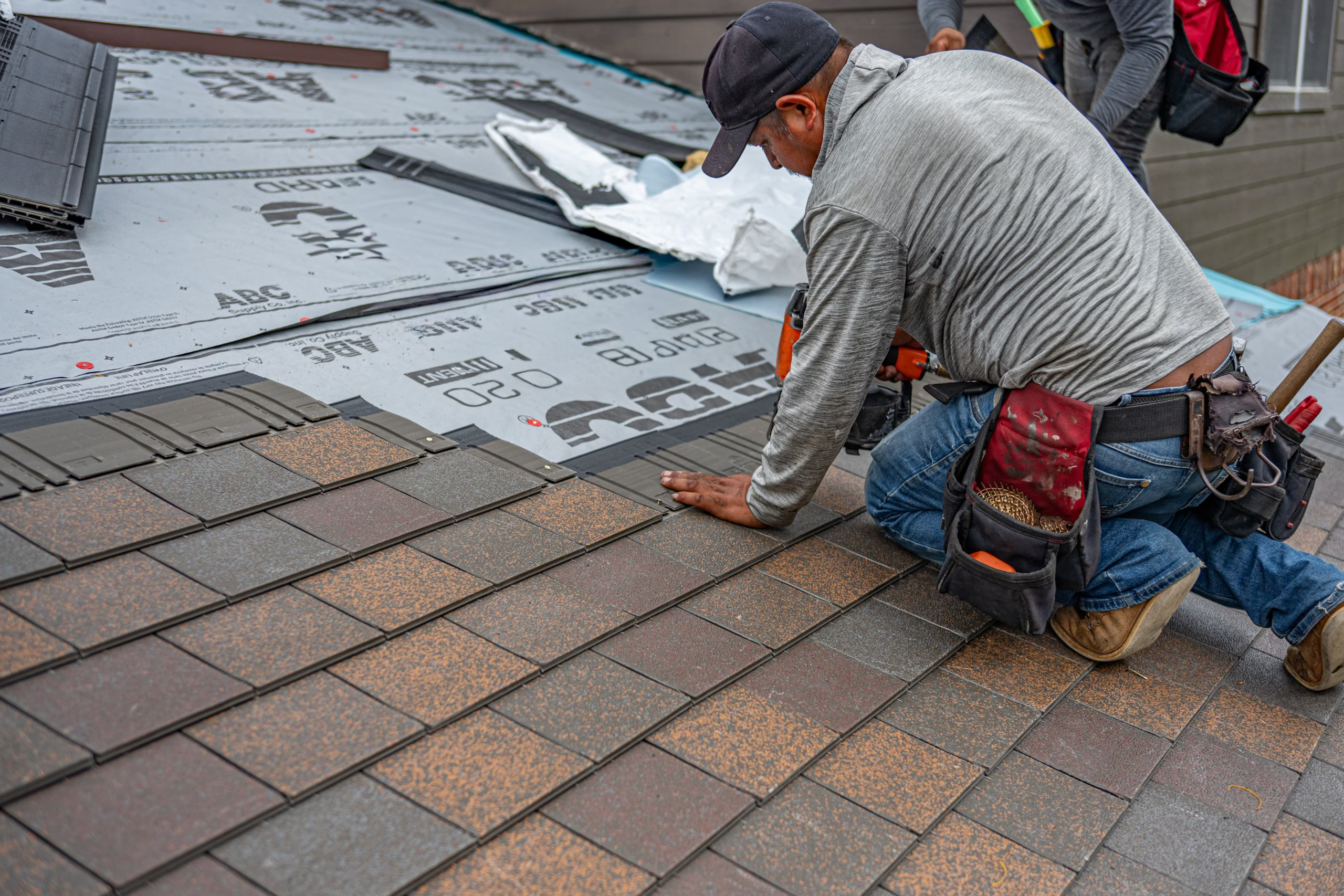
Asphalt shingles continue to be the most commonly used type of roofing material for residential buildings because of their affordability, longevity, and versatility. They are installed on homes in Queens, Staten Island, and some neighborhoods in Brooklyn.
Metal Roofing
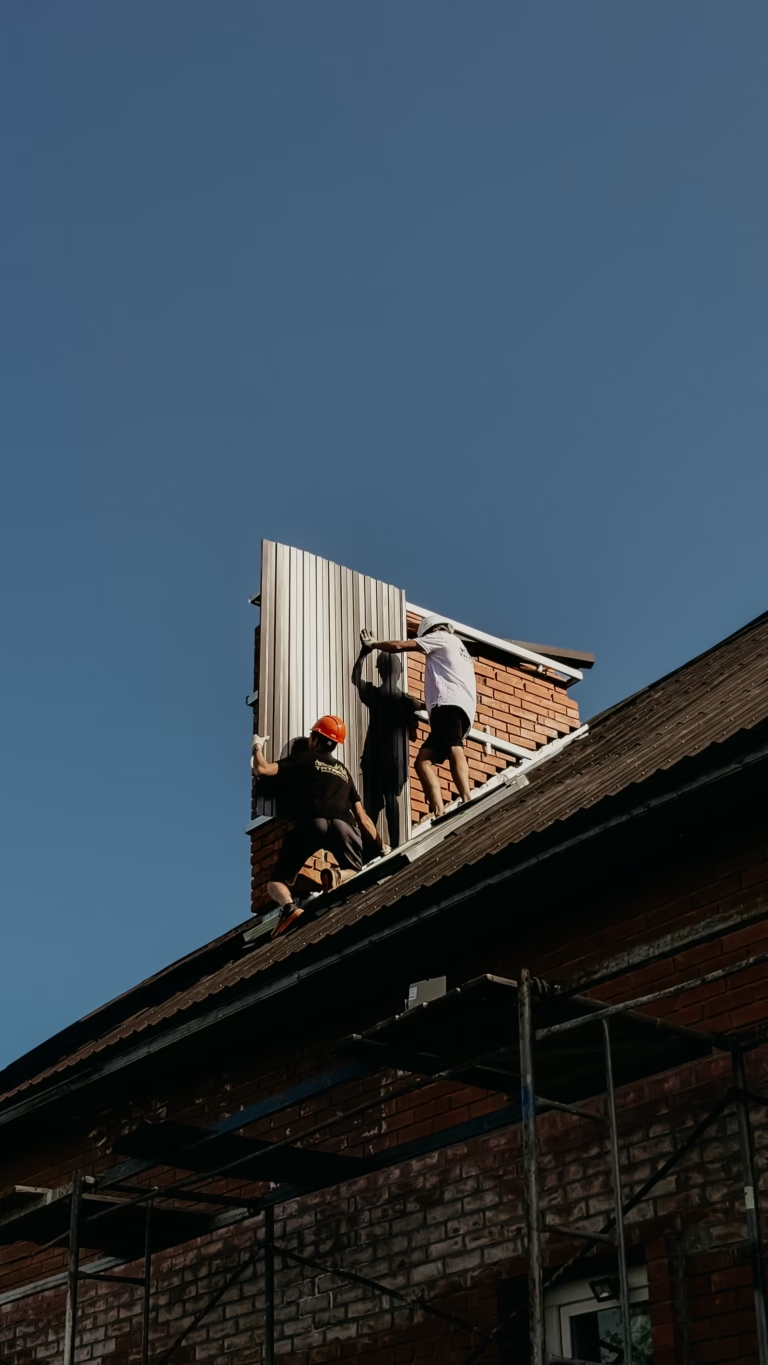
Metal roofs have gained popularity among homeowners and commercial building owners due to their durability, energy efficiency, and long lifespan. Metal roofs perform well in places with heavy snow, rains, and strong winds.
Clay and Concrete Tiles
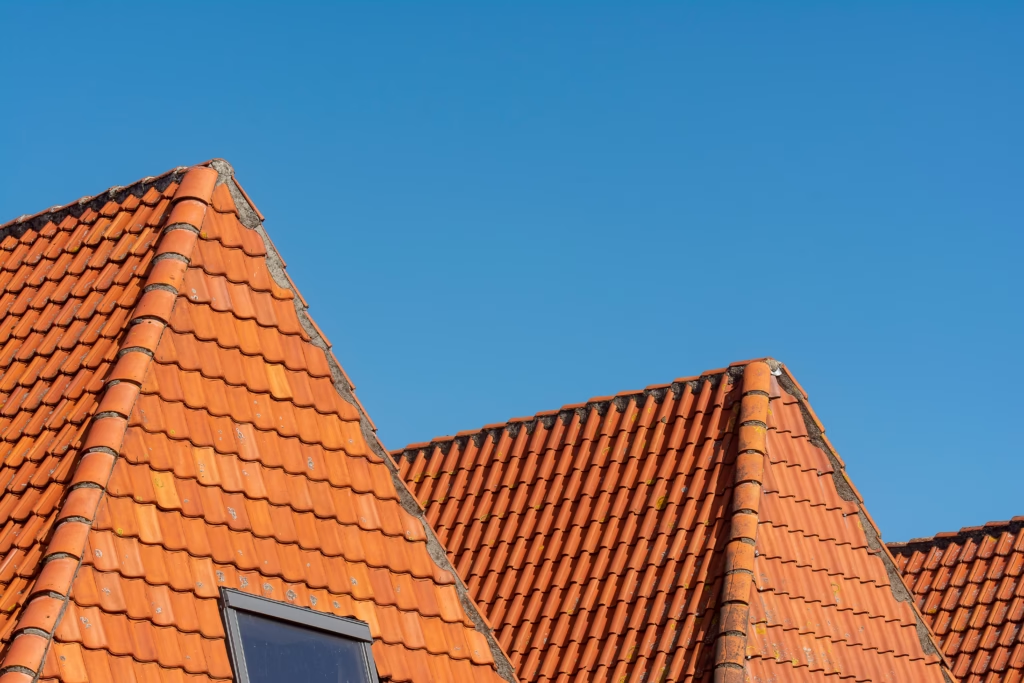
Clay and concrete tiles are durable and add an architectural touch to your property. While less common in New York City compared to other regions, they are used on some residential and specialty buildings.
Slate Roofs
Slate roofs are premium roofing materials that are long-lasting and beautiful at the same time. There are a lot of historic buildings in Brooklyn and Manhattan with slate roofs that have been there for many years.
Wood Shakes
Wood shakes provide a natural and traditional look as well as insulation. Nevertheless, wood shakes require more maintenance than other types of roofing materials.
Flat Roofing Systems
Flat roofs are typical in commercial structures, apartment blocks, and mixed-used buildings in Manhattan, Long Island City, Downtown Brooklyn, and the Bronx.
Popular flat roofing systems include:
- TPO
- EPDM
- PVC
- Modified Bitumen
There is an advantage in every one of these methods because of how the building size, drainage, and maintenance vary.
Asphalt Shingles: Pros and Cons
Shingling remains one of the most popular forms of roofing material due to the perfect blend of cost-effectiveness and performance that they provide.
Advantages
- Cost-effective installation
- Varied range of colors and styles
- Easily replaceable or repairable
- Most suitable for residential constructions
- Wide availability of material
- Lasting up to 20-30 years
Considerations
- Has a shorter lifespan than metal roofs
- Can get damaged during stormy weather conditions
- Needs frequent maintenance
- Less energy efficient compared to reflective roof systems
Metal Roofing: Pros and Cons
Metals used in roofing have gained popularity among many owners of buildings in New York City.
Advantages
- It is expected to last up to 40-70 years or more
- High resistance to wind, hail, snow, and fire
- Very easy maintenance requirements
- Energy efficient since the metal reflects heat from the sun
- Made of recyclable material
- Ideal for residential or commercial use
Considerations
- Installation cost is higher
- Specialized roofing expertise is needed for repairs
- Noise from heavy rain can be more prominent without insulation
- Matching existing colors during repairs can be difficult
Asphalt Shingles vs. Metal Roofing
| Feature | Asphalt Shingles | Metal Roofing |
| Initial Cost | Lower | Higher |
| Expected Lifespan | 20–30 years | 40–70+ years |
| Maintenance | Moderate | Low |
| Energy Efficiency | Good | Excellent |
| Weather Resistance | Good | Excellent |
| Installation | Faster and simpler | More specialized |
| Repair Costs | Generally lower | Can be higher |
| Appearance | Traditional | Modern and versatile |
| Best For | Budget-conscious homeowners | Long-term durability and energy savings |
Which Roofing Material Is Best for Your Property?
It all depends on the design of your property, budget, maintenance needs, and future plans when choosing the right roofing material.
For homeowners, asphalt shingles will always be a great option to consider when in search of a cost-effective roofing material that will provide reliable service and great design options.
Metal roofing will suit property owners who want a durable roof, which requires little maintenance, is weather resistant, and energy-efficient. Despite its high upfront cost, it can prove to be cheaper in the long run due to its longevity.
Flat roofs are the best choice for commercial properties.
Factors to Consider Before Choosing a Roofing Material
Before coming to a decision, you may want to take into account the following:
- Total budget of the project
- Lifespan of the roof
- Climate of New York City
- Energy saving objectives
- Maintenance needs
- Architectural style of the building
- Building codes
- Weight of the roof and its capacity
- Warranties from the manufacturer
- Return on investment
Taking all of these aspects into consideration is essential for ensuring that your roof will perform reliably for many years to come.
How a Roofing Contractor Can Help
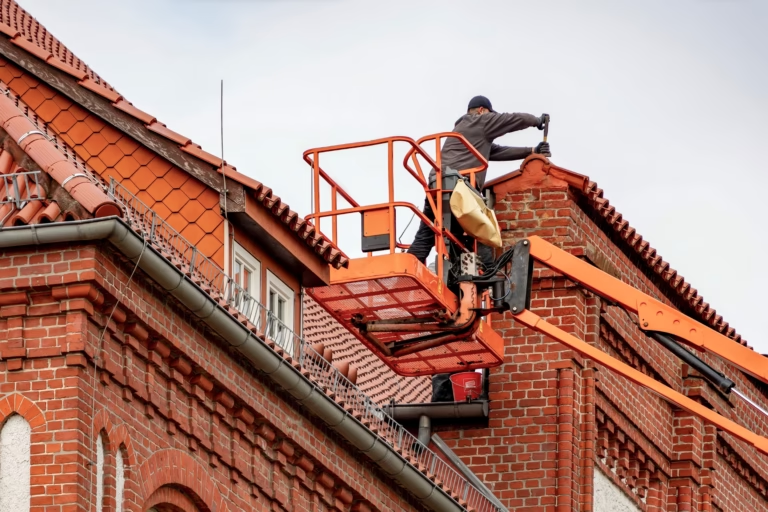
Selecting a roofing material can be done easier through consultation from a skilled roofing contractor. The roofing contractor can analyze the structure of your roof and provide you with information as to what benefits you can derive from each of the roofing materials.
If you need your roof replaced in a brownstone in Brooklyn or if you need to upgrade the roof of your townhouse in Queens, or a commercial building in Manhattan, or if you just want to have maintenance for your roof in the Bronx or in Staten Island, you can benefit from the expertise of a skillful roofing contractor.
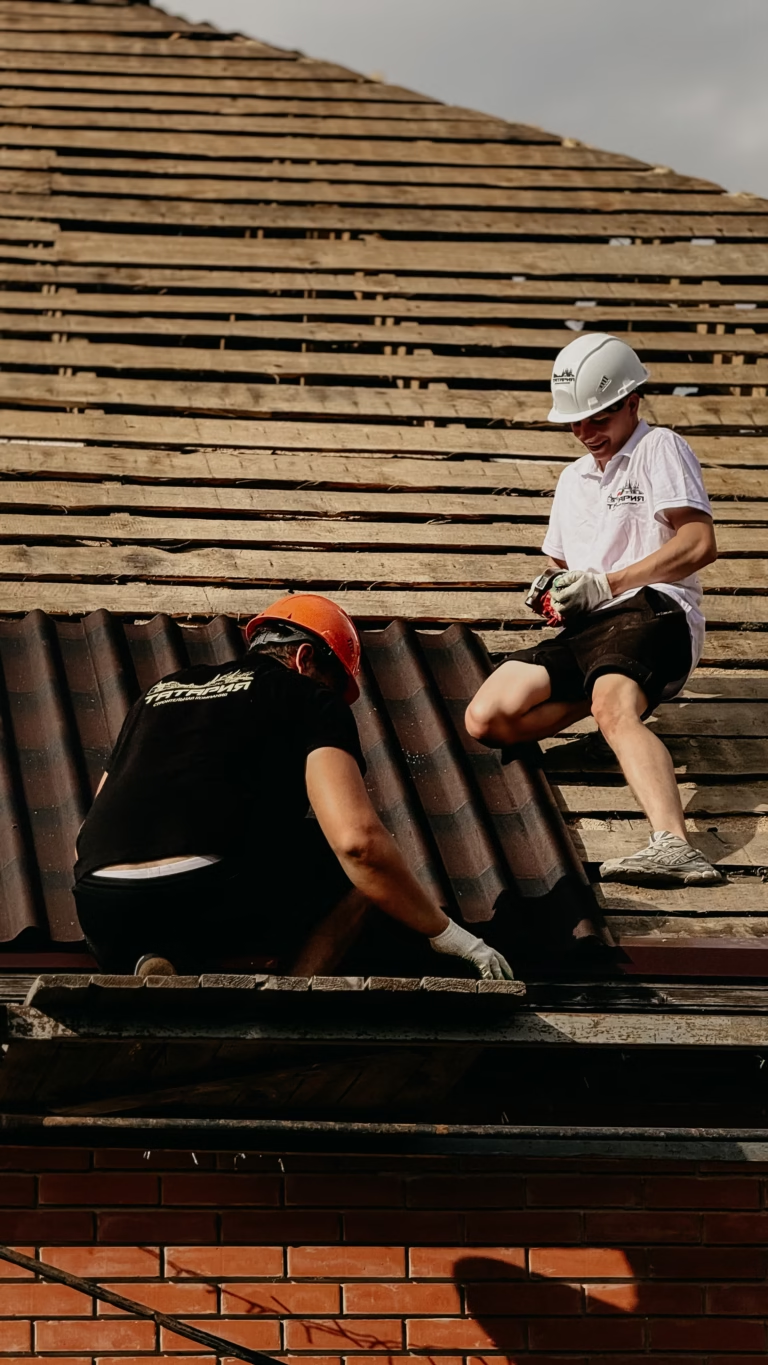
Professional installation is not only going to protect your investment; it will also help extend the life of your roof.
Frequently Asked Questions
Both monger lifespan. The right option depends on your budget, property type, and long-term goals. aterials offer excellent performance. Asphalt shingles are more affordable and remain the most popular choice for residential homes, while metal roofing provides greater durability, improved energy efficiency, and a significantly
The most common roofing materials include asphalt shingles, metal roofing, slate, clay tiles, concrete tiles, wood shakes, and flat roofing systems such as TPO, EPDM, PVC, and Modified Bitumen.
Most asphalt shingle roofs last between 20 and 30 years with proper installation, routine maintenance, and regular roof inspections.
A professionally installed metal roof can last 40 to 70 years or longer, making it one of the most durable and cost-effective roofing options available for both residential and commercial properties.