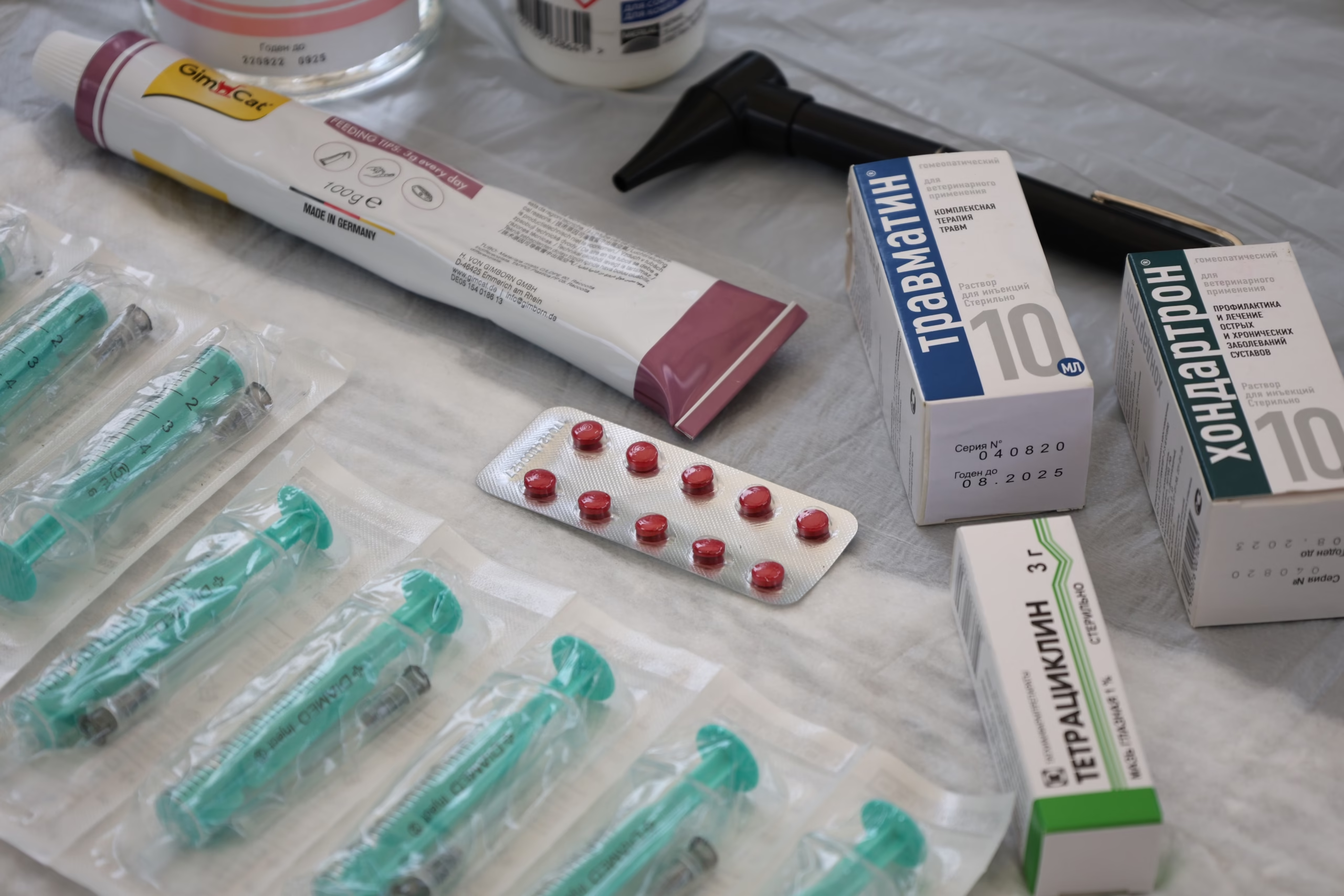
Healthcare facilities across New York rely on a continuous supply of high-quality medical products to provide safe, efficient, and reliable patient care. Whether it’s a large hospital in Manhattan, a community health center in Brooklyn, a rehabilitation clinic in Queens, a nursing home in the Bronx, or a specialty practice on Staten Island, access to dependable medical supplies is essential for maintaining daily operations and meeting patient needs.
From routine patient care and infection prevention to diagnostics and wound management, medical supplies support nearly every aspect of healthcare delivery. Choosing the right supplier is about more than comparing prices—it’s about ensuring product quality, timely deliveries, regulatory compliance, and dependable customer support.
This guide explains the essential medical supplies healthcare facilities use, what to consider when selecting a supplier, and how healthcare organizations throughout New York City can streamline procurement while maintaining high standards of patient care.
Why Medical Supplies Matter in Healthcare Facilities
Every healthcare facility depends on medical supplies to diagnose, treat, and care for patients. Unlike large medical equipment, many supplies are used daily and require regular replenishment to keep operations running smoothly.
Without proper inventory management, facilities may experience treatment delays, workflow disruptions, and unnecessary operational costs. Maintaining a reliable supply chain helps healthcare professionals focus on delivering quality care while ensuring patients receive the treatment they need without interruption.
Whether serving a busy emergency department or a neighborhood medical practice, having access to trusted medical supplies is a key part of providing consistent healthcare services.
Healthcare Facilities That Depend on Medical Supplies
Medical supplies are used across a wide range of healthcare environments, each with unique operational requirements.
Hospitals
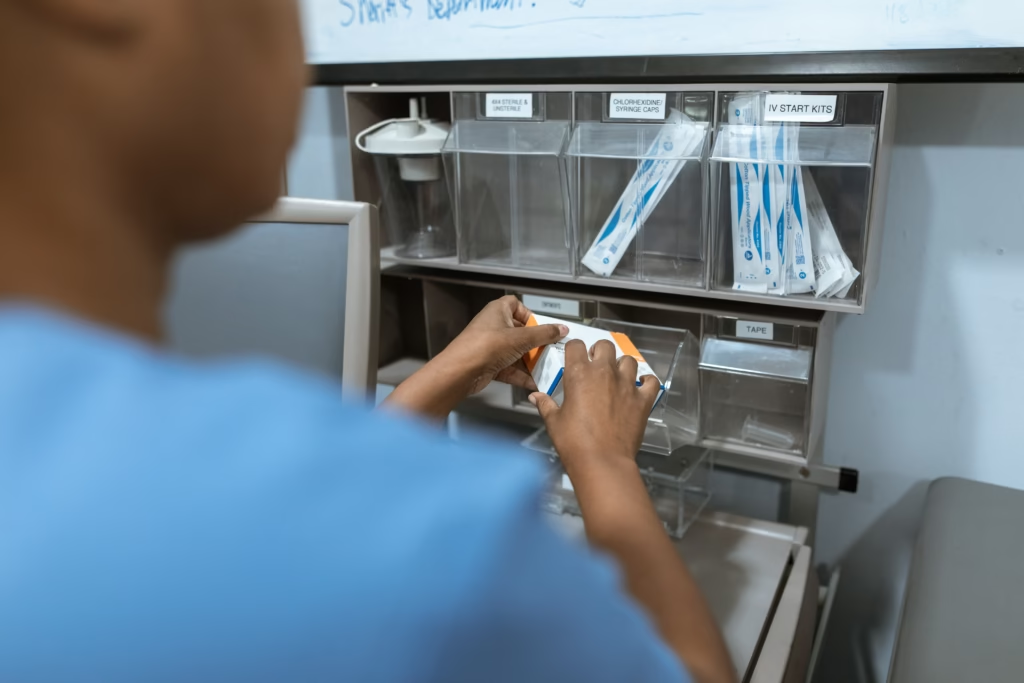
Hospitals require large volumes of disposable medical products every day. Emergency rooms, operating theaters, intensive care units, and inpatient departments all rely on items such as gloves, gowns, syringes, wound care products, and diagnostic supplies to support patient care.
Medical Clinics and Physician Offices
Primary care practices and specialty clinics need everyday examination supplies, specimen collection products, personal protective equipment, and diagnostic tools to perform routine consultations and treatments efficiently.
Long-Term Care and Nursing Homes
Facilities caring for older adults require products that support patient comfort, mobility, hygiene, and infection prevention. Common supplies include incontinence products, patient transfer aids, skin care products, and mobility accessories.
Rehabilitation Centers
Physical therapy and rehabilitation facilities use braces, therapeutic supports, mobility aids, and rehabilitation products to help patients regain strength and independence following surgery or injury.
Home Healthcare Providers
As home healthcare services continue to grow throughout New York, agencies depend on portable medical supplies that allow caregivers to safely treat patients in their homes while maintaining professional standards of care.
Essential Categories of Medical Supplies
Healthcare facilities require a broad selection of products to support both patients and healthcare professionals.
Personal Protective Equipment (PPE)
Personal protective equipment helps reduce the spread of infections and protects healthcare workers during patient care.

Common PPE includes:
- Disposable gloves
- Surgical masks
- N95 respirators
- Isolation gowns
- Face shields
- Protective eyewear
Maintaining an adequate supply of PPE remains a priority for healthcare facilities of all sizes.
Wound Care Products
Effective wound management supports healing while reducing the risk of complications.
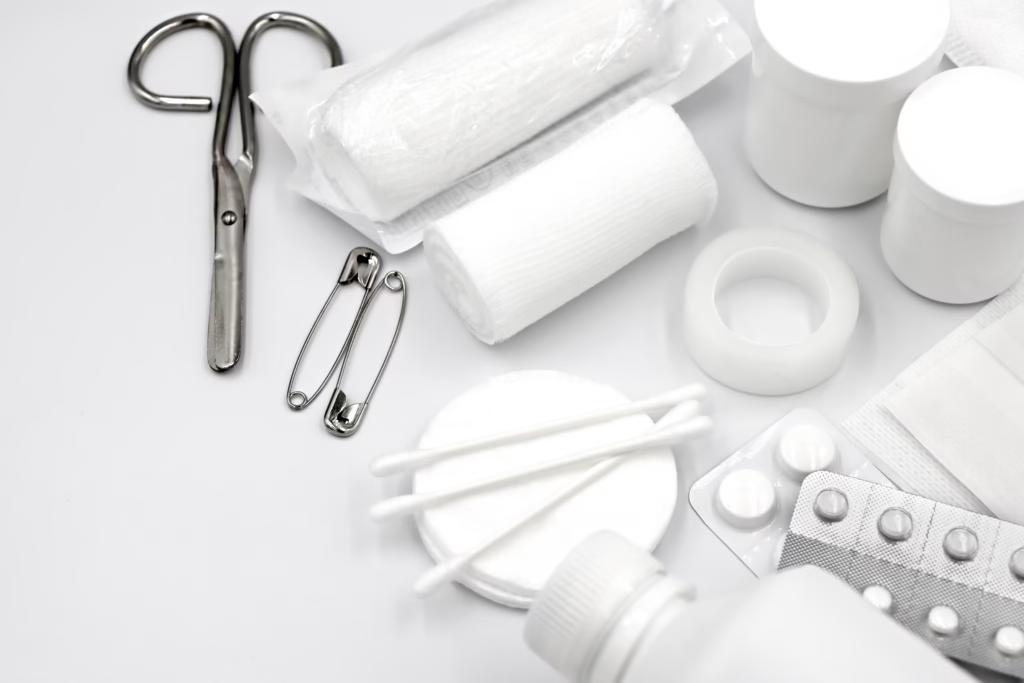
Frequently used wound care supplies include:
- Sterile gauze
- Adhesive dressings
- Medical tape
- Foam dressings
- Wound cleansers
- Compression bandages
These products are commonly used in hospitals, outpatient clinics, rehabilitation centers, and long-term care facilities.
Diagnostic and Examination Supplies
Accurate diagnosis begins with dependable clinical supplies.
Healthcare providers regularly use:
- Blood pressure cuffs
- Thermometers
- Pulse oximeters
- Specimen containers
- Blood collection supplies
- Examination paper
Reliable diagnostic supplies contribute to efficient patient assessments and improved clinical workflows.
Infection Prevention Products
Preventing healthcare-associated infections requires consistent access to cleaning and sterilization products.

Facilities commonly stock:
- Hand sanitizers
- Surface disinfectants
- Sterilization supplies
- Sharps containers
- Biohazard waste bags
- Medical-grade cleaning products
These supplies help create a safer environment for both patients and healthcare professionals.
Choosing a Medical Supply Partner in New York
Selecting the right supplier can have a direct impact on operational efficiency and patient care. Healthcare facilities should look beyond pricing and evaluate the overall value a distributor provides.
A reliable supplier should offer a comprehensive product range, dependable inventory availability, responsive customer service, and efficient delivery throughout New York City. Facilities located in Manhattan, Brooklyn, Queens, the Bronx, and Staten Island often benefit from working with distributors capable of serving multiple locations while maintaining consistent product availability.
It’s also important to choose suppliers that provide products from reputable manufacturers and follow industry quality standards. This helps healthcare organizations maintain compliance while ensuring patients receive safe and effective care.
Managing Medical Supply Inventory
Effective inventory management helps healthcare facilities avoid shortages, reduce waste, and control procurement costs.
Some practical strategies include:
- Monitoring inventory levels regularly.
- Tracking product expiration dates.
- Forecasting demand based on patient volume.
- Standardizing frequently used products where appropriate.
- Using inventory management software to automate stock monitoring and reordering.
Maintaining the right balance between available inventory and purchasing efficiency helps facilities improve day-to-day operations while reducing unnecessary expenses.
Factors to Consider Before Purchasing Medical Supplies
Before placing an order, healthcare facilities should evaluate several important factors:
- Product quality and manufacturer reputation.
- Compliance with healthcare regulations.
- Availability of frequently ordered products.
- Delivery timelines and logistics.
- Pricing and bulk purchasing options.
- Customer service and technical support.
- Return policies and warranty assistance.
Choosing products based solely on cost may lead to higher long-term expenses if quality or reliability is compromised.
Future Trends in Medical Supply Procurement
Healthcare procurement continues to evolve as facilities adopt technology to improve efficiency and patient care.
Digital inventory management, automated ordering systems, barcode tracking, and data-driven purchasing decisions are becoming increasingly common. Healthcare organizations are also placing greater emphasis on supply chain resilience, sustainability, and supplier transparency to better prepare for changing healthcare demands.
Facilities that embrace these innovations are better positioned to improve operational efficiency while maintaining consistent access to essential medical supplies.
Conclusion
Medical supplies are the foundation of everyday healthcare operations, supporting patient care across hospitals, clinics, long-term care facilities, rehabilitation centers, and home healthcare agencies throughout New York. From infection prevention and diagnostics to wound care and patient support products, every item contributes to safer, more efficient healthcare delivery.
Whether your facility is located in Manhattan, Brooklyn, Queens, the Bronx, or Staten Island, partnering with a trusted medical supply provider can simplify procurement, improve inventory management, and help maintain the high standards of care that patients expect. By focusing on quality, reliability, and operational efficiency, healthcare facilities can build a stronger supply chain that supports both healthcare professionals and the communities they serve.
Frequently Asked Questions
Commonly used products include personal protective equipment, wound care supplies, syringes, diagnostic products, infection prevention supplies, specimen collection items, and patient care consumables.
Healthcare organizations should consider product quality, inventory availability, customer support, delivery capabilities, regulatory compliance, and overall supplier reliability.
A reliable supplier helps healthcare facilities maintain uninterrupted patient care by providing consistent access to essential products, timely deliveries, and knowledgeable customer support.