The Iran war has become one of the most closely followed geopolitical conflicts in the world, affecting international security, energy markets, diplomatic relations, and regional stability. As military developments, political decisions, and diplomatic efforts continue to shape the situation, people worldwide are searching for clear explanations of what caused the conflict, who is involved, and what could happen next.
Recent escalations involving Iran, the United States, Israel, and other regional actors have increased concerns about a wider Middle East conflict. The situation has also drawn attention because of the importance of the Strait of Hormuz, a major global energy route, and the potential impact on oil prices and international trade.
This guide explains the Iran war, including its background, major events, countries involved, military capabilities, economic consequences, and possible future scenarios.
What Is the Iran War? A Complete Overview
The Iran war refers to the ongoing military and political conflict involving Iran and several international and regional powers. The conflict has developed from decades of tensions surrounding security issues, Iran’s nuclear program, regional influence, and relationships with countries such as the United States and Israel.
Unlike a conflict involving only two nations, the Iran war involves multiple interests across the Middle East. Different countries have become involved due to security alliances, military operations, economic concerns, and strategic interests.
Key issues connected to the conflict include:
- Iran’s nuclear program and international negotiations
- Regional military influence
- Missile and defense capabilities
- Economic sanctions
- Control of important energy routes
- Relations between Middle Eastern countries and global powers
The conflict has created uncertainty for governments, businesses, and civilians as leaders attempt to balance military objectives with diplomatic solutions.
Why Did the Iran War Start?
The causes of the Iran war are connected to decades of political disagreements and regional tensions rather than a single event.
Historical Tensions Between Iran and Western Powers
Relations between Iran and Western countries have experienced repeated periods of cooperation, disagreement, and confrontation. Issues involving foreign policy, sanctions, and security strategies have contributed to long-term instability.
Nuclear Program Disputes
One of the biggest sources of tension has been Iran’s nuclear program. International governments have debated how to address Iran’s nuclear activities, with negotiations repeatedly facing challenges.
Concerns about nuclear capabilities have influenced diplomatic relationships and military planning involving Iran and other countries.
Regional Power Competition
Iran has developed strong political and strategic influence in parts of the Middle East. This has created competition with regional opponents who view Iran’s growing influence as a security concern.
Military Escalation
Military actions, retaliatory strikes, and failed diplomatic efforts have contributed to the current escalation. Recent conflict developments have involved missile exchanges, air operations, and increased regional involvement.
Iran War Timeline: Key Events and Turning Points
Understanding the Iran war timeline helps explain how the conflict developed.
Rising Tensions
Before direct military escalation, Iran and other countries experienced years of disputes involving:
- Nuclear negotiations
- Economic sanctions
- Military threats
- Regional conflicts
Military Escalation
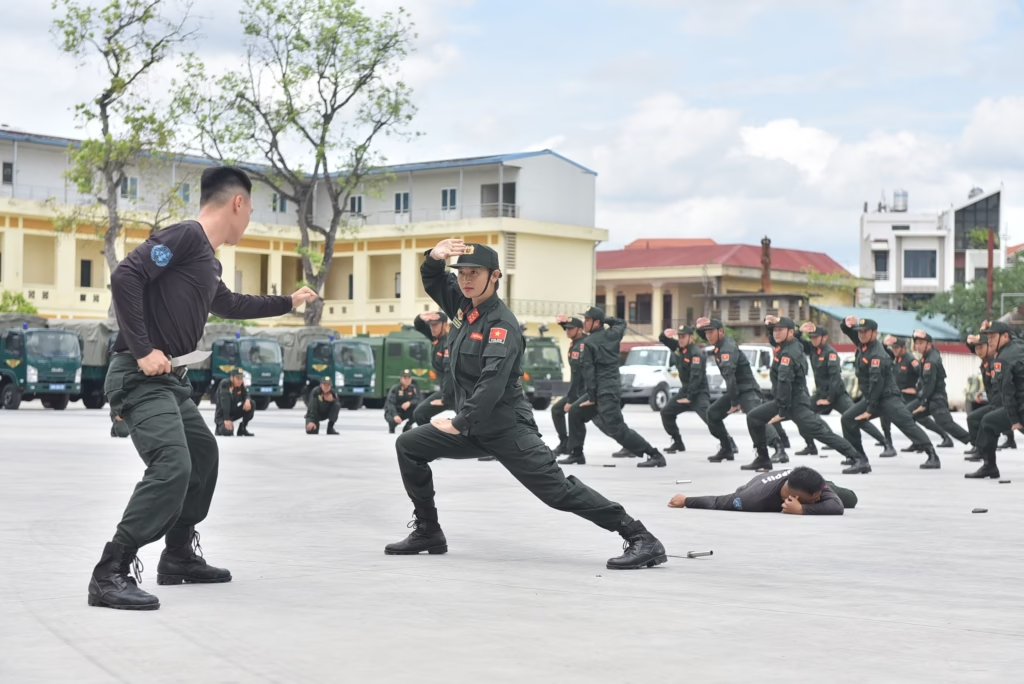
The conflict intensified after major military actions involving Iran and opposing forces. These developments expanded the conflict beyond Iran’s borders, involving additional countries and increasing regional security concerns.
Diplomatic Negotiations and Ceasefire Attempts
Diplomatic efforts have continued alongside military actions. Negotiations have focused on reducing tensions, limiting further escalation, and addressing disputes related to security and nuclear issues.
Strait of Hormuz Crisis
The Strait of Hormuz has become a major focus because it is one of the world’s most important energy shipping routes. Disruptions in this area have increased concerns about global oil supplies and economic stability.
Countries Involved in the Iran Conflict
The Iran conflict involves several countries with different strategic interests.

Iran
Iran remains the central actor in the conflict. Its government has focused on defending national security interests, maintaining regional influence, and responding to foreign military pressure.
Iran’s capabilities include:
- Missile systems
- Drone technology
- Naval forces
- Air defense systems
- Regional partnerships
United States
The United States has played a major role in Middle East security issues for decades. Its involvement in the Iran conflict is connected to regional alliances, security concerns, and foreign policy objectives.
Israel
Israel considers Iran’s military capabilities and regional influence major security concerns. The relationship between Iran and Israel has remained one of the most significant sources of tension in the region.
Regional Countries
Several Middle Eastern countries have been affected because of:
- Geographic proximity
- Security alliances
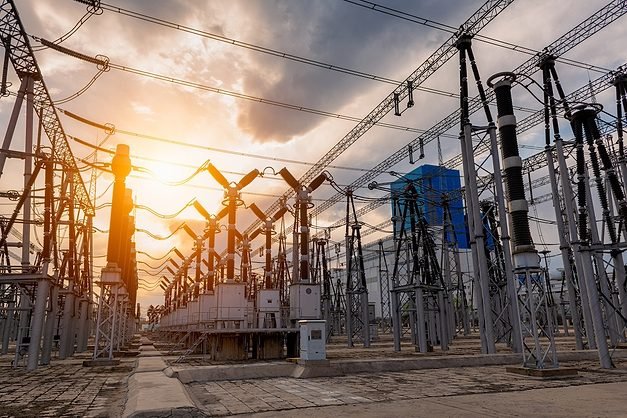
- Energy infrastructure
- Trade routes
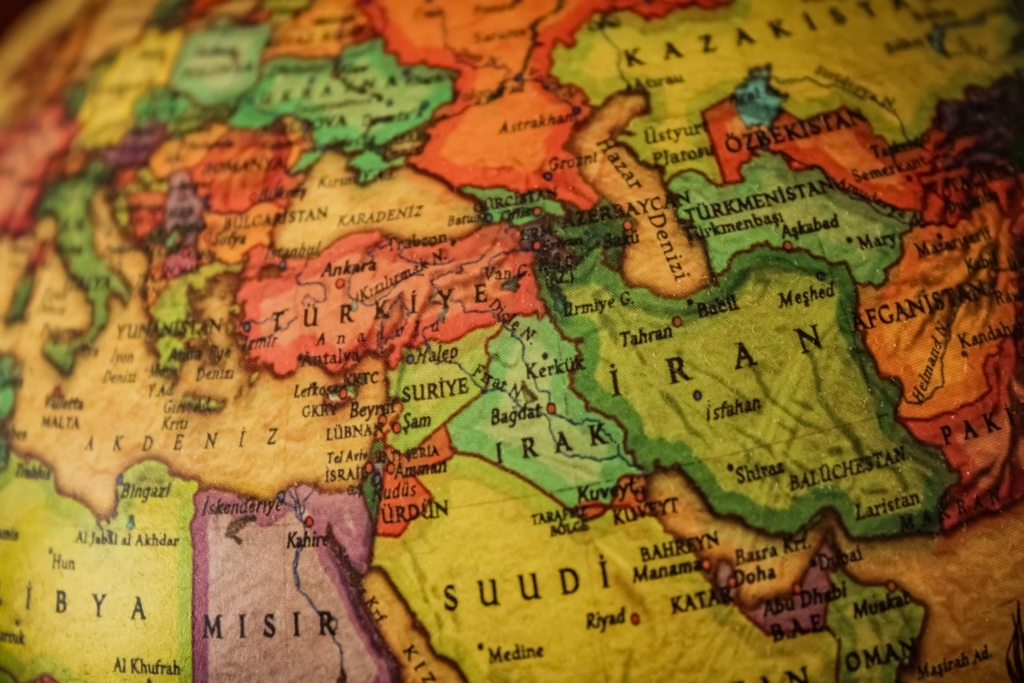
Countries across the Gulf region have monitored developments closely due to concerns about regional stability and economic consequences.
Iran Military Strength Explained
Iran has developed significant military capabilities over several decades. Its defense strategy focuses on missiles, drones, naval operations, and asymmetric warfare capabilities.
Missile Capabilities
Iran has invested heavily in missile technology, making missile systems a major part of its defense strategy.
Drone Technology
Drone development has become another important part of Iran’s military capabilities, allowing it to conduct operations beyond traditional battlefield methods.
Naval Strategy
Iran’s location near the Persian Gulf and Strait of Hormuz gives naval strategy an important role in the conflict.
Cyber and Asymmetric Capabilities
Iran has also focused on cyber operations and unconventional military approaches as part of its broader defense strategy.
Military strength alone does not determine the outcome of conflicts. Political decisions, economic pressure, alliances, and diplomatic negotiations also play major roles.
How the Iran War Impacts Oil Prices and Global Economy
The Iran war has significant economic implications because the Middle East plays a major role in global energy markets.
Impact on Oil Prices
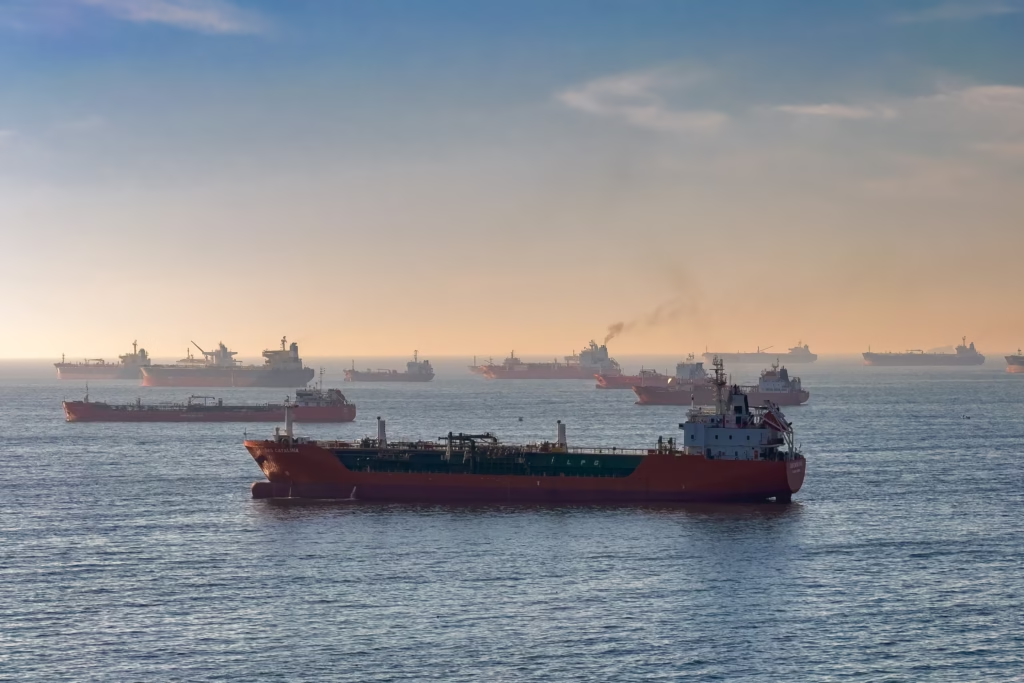
One of the biggest concerns is how conflict around Iran could affect oil supply and transportation routes.
The Strait of Hormuz is especially important because a large share of global energy trade passes through this narrow waterway. Disruptions could influence:
- Oil prices
- Fuel costs
- Transportation expenses
- Global inflation
Effects on Global Trade
Businesses may experience uncertainty due to:
- Higher shipping costs
- Supply chain disruptions
- Increased energy expenses
- Market volatility
Investor Concerns
Financial markets often react to geopolitical uncertainty. A prolonged conflict could influence investment decisions, energy markets, and economic forecasts.
What Happens Next in the Iran War?
The future of the Iran conflict remains uncertain. Several possible scenarios could shape the next stage of developments.
Continued Military Escalation
Further attacks or retaliation could expand the conflict and increase involvement from additional countries.
Diplomatic Resolution
Negotiations and international mediation could create opportunities for reducing tensions and reaching agreements.
Regional Instability

A prolonged conflict could affect:
- Middle East alliances
- Energy markets
- International security policies
- Global economic conditions
Long-Term Political Changes
The conflict may influence future diplomatic relationships, military strategies, and security policies across the region.
Conclusion
The Iran war is a complex geopolitical conflict shaped by historical tensions, military developments, economic interests, and international diplomacy. Understanding the conflict requires examining its causes, timeline, countries involved, military capabilities, and global consequences.
Frequently Asked Questions
The Iran conflict developed from decades of political disagreements, security concerns, regional competition, and disputes involving Iran’s nuclear program and international relations.
The conflict involves Iran, along with varying levels of involvement from countries such as the United States, Israel, and regional Middle Eastern nations.
The conflict can influence oil prices because Iran is located near important energy routes and plays a role in global energy markets.
A wider regional conflict depends on future military actions, diplomatic decisions, and involvement from additional countries.
Diplomatic discussions may occur at different stages of the conflict as governments seek ways to reduce tensions and prevent further escalation.