Iran’s military strength is a key factor in discussions about Middle Eastern security and global geopolitics. As one of the region’s largest military powers, Iran has invested in its armed forces, missile technology, drone capabilities, and air defense systems to strengthen national security and deter potential threats. Its military strategy combines conventional forces with advanced technologies and regional partnerships.
Understanding Iran’s military capabilities provides valuable context for analyzing the Iran conflict, regional security challenges, and international diplomatic efforts. To understand how these military capabilities became so important, it’s also helpful to explore why the Iran war started. This article offers a neutral overview of Iran’s armed forces, weapons, defense systems, and strategic priorities.
Overview of Iran’s Military
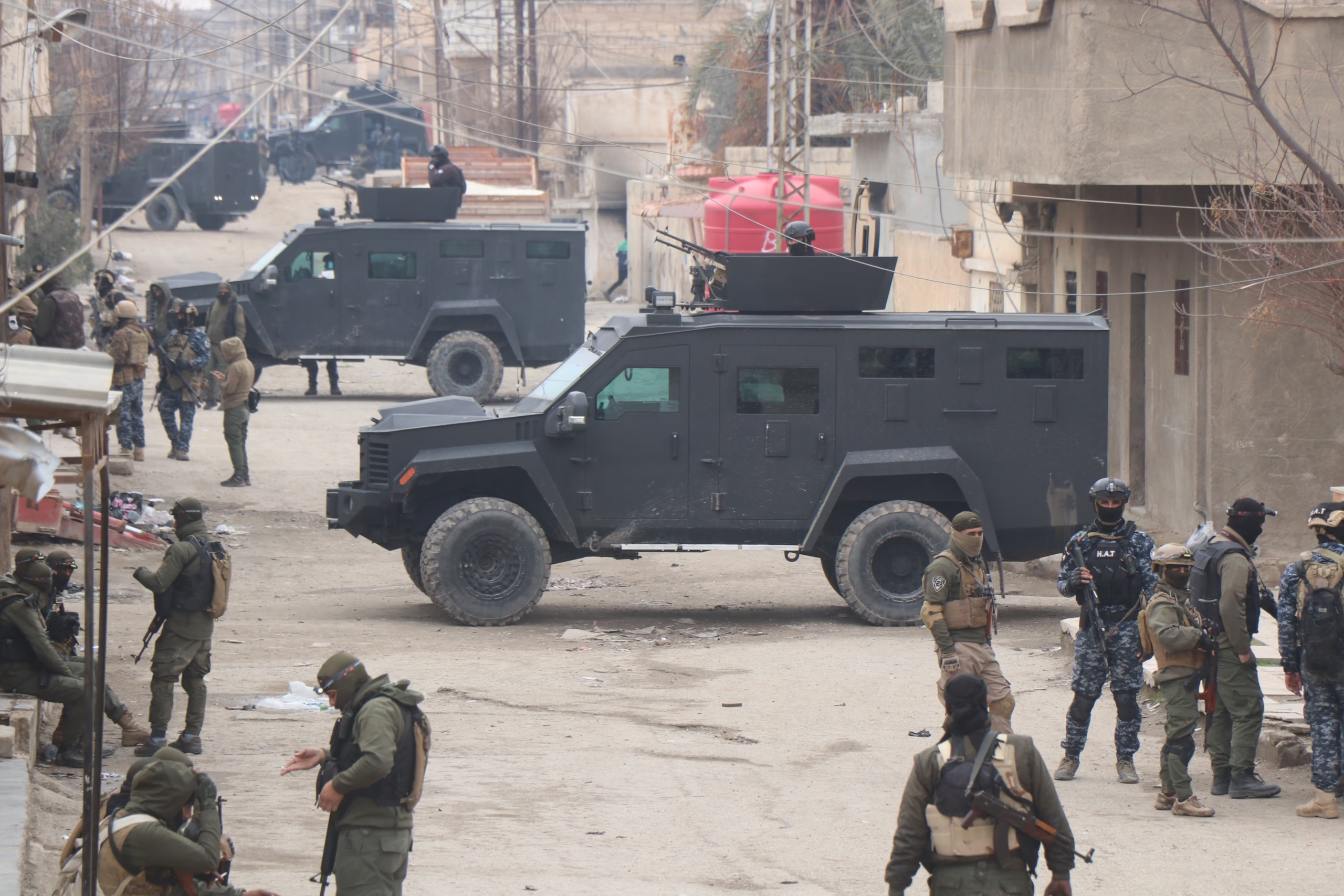
Iran’s military is responsible for protecting the country’s sovereignty, territorial integrity, and national security. It consists of multiple branches that work together to defend land, air, and maritime borders.
Iran’s defense strategy focuses on:
- National defense
- Regional deterrence
- Missile capabilities
- Air defense systems
- Naval security
- Strategic military partnerships
Rather than relying solely on conventional military power, Iran has developed a defense approach that emphasizes deterrence and regional influence.
Iran’s Armed Forces
Iran’s military is divided into several branches, each with distinct responsibilities.
Army
The Iranian Army is responsible for defending the country’s land borders and maintaining ground-based military readiness. It includes infantry, armored units, artillery, and engineering forces that support national defense operations.
Islamic Revolutionary Guard Corps (IRGC)
The Islamic Revolutionary Guard Corps (IRGC) is a separate military organization with responsibilities that include protecting Iran’s political system, supporting national security, and overseeing strategic military programs.
The IRGC also plays a significant role in missile development, naval operations, and regional security activities.
Navy
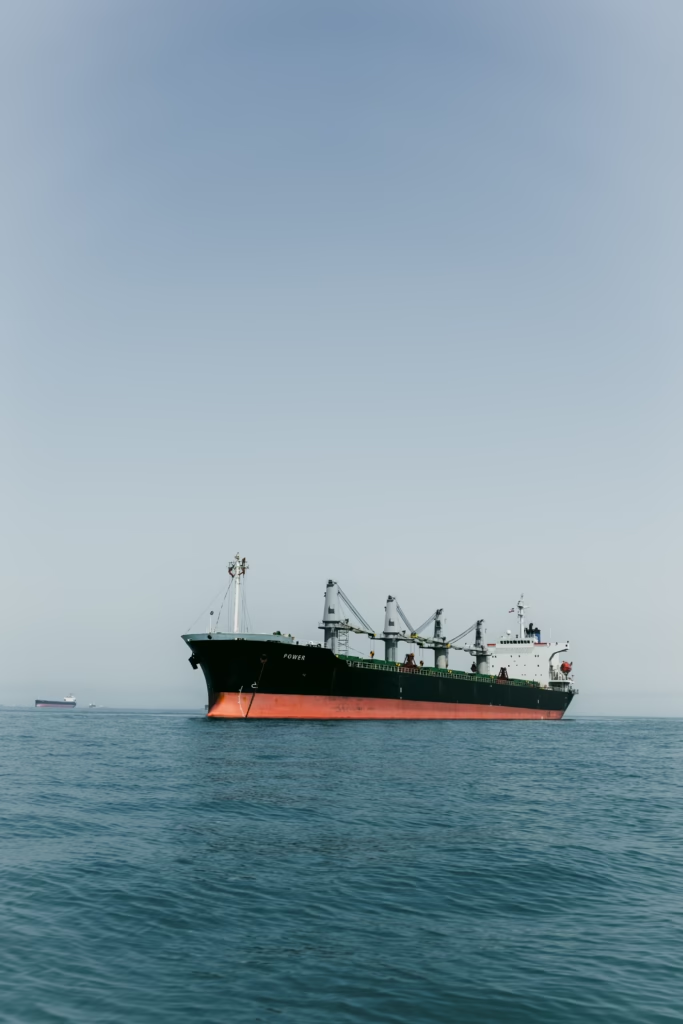
Iran’s Navy is tasked with protecting the country’s maritime interests, particularly in the Persian Gulf, the Gulf of Oman, and nearby waters.
Its responsibilities include:
- Maritime security
- Coastal defense
- Protecting shipping routes
- Naval patrol operations
Iran’s naval strategy places particular importance on the Strait of Hormuz because it is one of the world’s most important energy transportation routes.
Air Force
The Air Force is responsible for defending Iran’s airspace and supporting military operations.
Its primary missions include:
- Air defense
- Surveillance
- Reconnaissance
- Strategic air operations
Iran has also invested in improving its integrated air defense capabilities to protect key military and civilian infrastructure.
Iran’s Weapons and Defense Systems
Iran has developed a wide range of military equipment intended to strengthen its defensive capabilities.
Ballistic Missiles
Missile technology forms an important part of Iran’s defense strategy. Ballistic missiles are viewed as a key element of the country’s deterrence capability and have been central to regional security discussions.
Cruise Missiles
Iran also possesses cruise missile systems designed for various defensive and strategic purposes. These systems complement other components of the country’s broader missile program.
Drone Technology
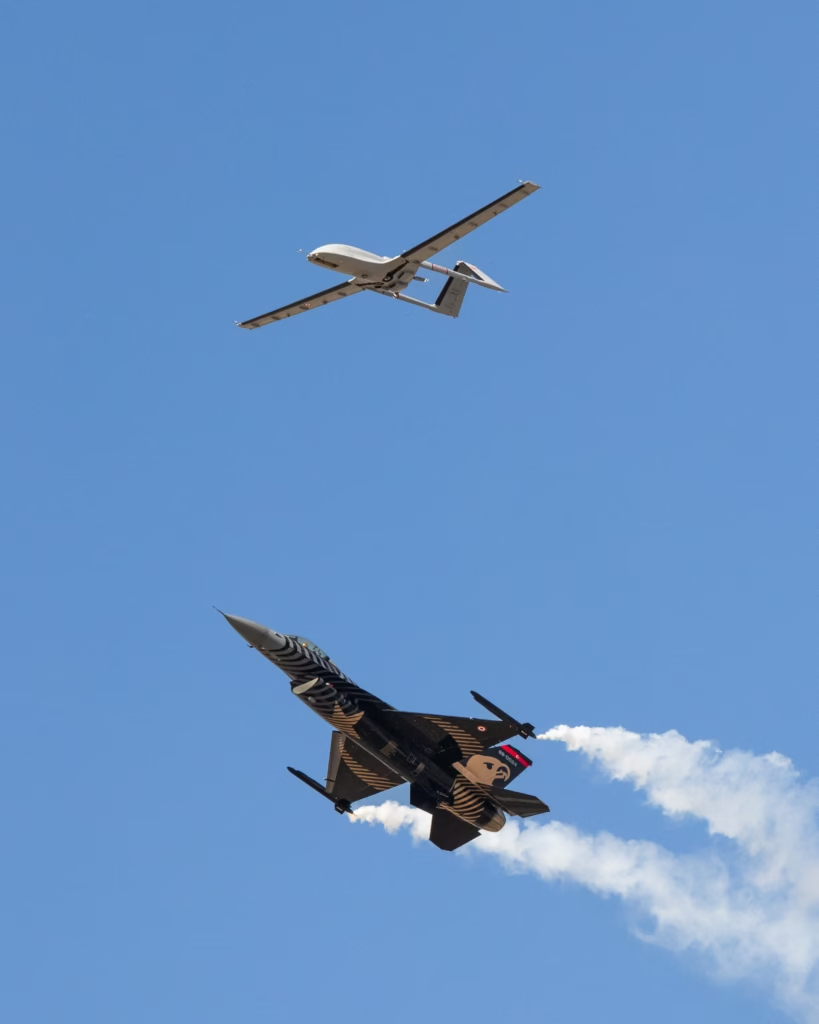
Iran has invested significantly in unmanned aerial vehicles (UAVs), commonly known as drones.
These systems are used for:
- Surveillance
- Intelligence gathering
- Reconnaissance
- Military operations
Drone technology has become one of the most widely discussed aspects of Iran’s military capabilities.
Air Defense Systems
Iran has expanded its air defense network to protect strategic facilities, military bases, and critical infrastructure.
These systems are designed to detect and respond to potential aerial threats while supporting broader national defense objectives.
Naval Assets
Iran operates various naval vessels and patrol craft that support maritime security and coastal defense.
Its naval forces focus on protecting territorial waters, monitoring commercial shipping routes, and maintaining a presence in strategically important waterways.
Iran’s Military Strategy
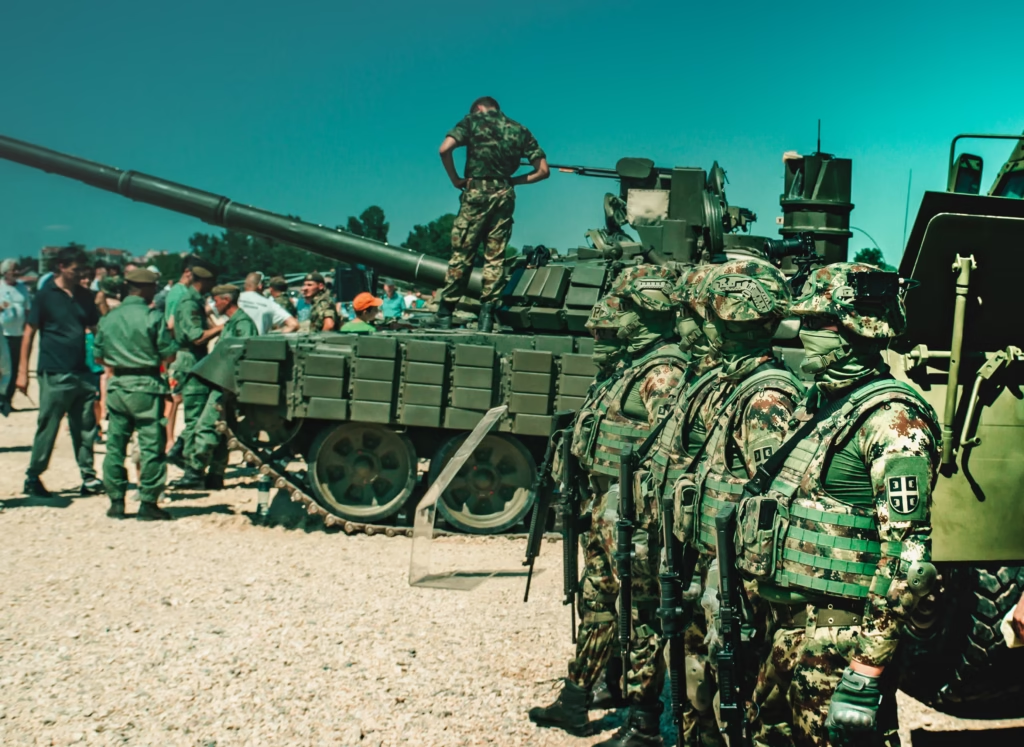
Iran’s military strategy is based primarily on deterrence and national defense.
Key elements include:
Defensive Doctrine
Iran emphasizes defending its territory while maintaining the ability to respond to external threats.
Regional Deterrence
Military capabilities are intended to discourage potential attacks by increasing the perceived costs of military confrontation. These defense strategies have evolved alongside decades of regional tensions. Reviewing the Iran war timeline provides additional context on the major military operations and turning points that shaped Iran’s current defense posture.
Asymmetric Warfare
Rather than relying only on conventional military forces, Iran has developed strategies that combine different military capabilities and technologies to address regional security challenges.
Cyber Capabilities
Cybersecurity has become an increasingly important component of modern defense strategies worldwide, and Iran has also invested in cyber capabilities as part of its broader national security approach.
How Iran’s Military Compares Regionally
Iran is widely regarded as one of the Middle East’s significant military powers due to its size, missile program, drone technology, and strategic location.
Its strengths include:
- Extensive missile capabilities
- Large armed forces
- Growing drone program
- Strategic geography
- Integrated air defense systems
At the same time, Iran faces challenges in modernizing certain conventional military equipment and adapting to evolving defense technologies.
Challenges Facing Iran’s Military
Despite its capabilities, Iran’s military operates under several constraints.
Economic Sanctions
International sanctions have affected access to some foreign military technologies and defense-related resources.
Equipment Modernization
Maintaining and upgrading military equipment requires significant investment and long-term planning.
Regional Security Environment
Iran continues to operate within a complex regional environment characterized by shifting alliances, security challenges, and ongoing geopolitical competition.
Why Iran’s Military Matters Globally
Iran’s military capabilities have implications beyond the Middle East.
Regional Security
Military developments influence security planning across neighboring countries. Iran’s military capabilities also influence the policies and security strategies of several regional and global powers. Learn more about the countries involved in the Iran conflict, their alliances, and how they have responded to ongoing developments.
Energy Markets
Because Iran borders major energy transportation routes, regional security developments can affect global oil and gas markets.
International Diplomacy
Iran’s military posture plays an important role in diplomatic negotiations concerning regional stability, sanctions, and security agreements.
Global Trade
Stability in the Persian Gulf and surrounding waterways is important for international shipping and global commerce.
Conclusion
Iran’s military strength is built on a combination of conventional armed forces, missile capabilities, drone technology, naval assets, and integrated defense systems. Its strategy emphasizes national defense, regional deterrence, and protecting key strategic interests.
Frequently Asked Questions
Iran is considered one of the Middle East’s major military powers. Its strength comes from its large armed forces, missile program, drone capabilities, and integrated defense systems.
Iran’s military operates ballistic and cruise missiles, drones, naval vessels, air defense systems, and conventional ground forces. These capabilities are primarily intended to support national defense and deterrence
Iran’s military influences regional security, international diplomacy, and global energy markets. Its strategic location and defense capabilities make it an important player in Middle Eastern geopolitics.