The Iran conflict has emerged through many years through political disagreements, military actions, diplomatic negotiations, and competition in the region. Although recent military operations have caught the attention of the world, the current state of affairs is the outcome of an ongoing process and not an isolated case. A detailed overview of the Iran war timeline will enable us to understand how the tensions escalated through time.
This article aims at presenting a chronology of the Iran conflict.
What Is the Iran War?
By Iran war, one means the political and military war that is being waged against Iran. Different from conventional wars that can be fought between only two countries, the Iran war incorporates direct military action as well as proxy wars, disputes, economic sanctions, and security threats.
In this respect, disagreements and disputes related to Iran’s nuclear ambitions, regional influence, and military operations among others have led to periods of escalation.
Early Background: Rising Tensions
Tensions had been growing for decades before conflict situations escalated into wars.

A number of problems led to this tension in the longer term, and these included:
- Differences with Western nations politically
- Worries relating to Iran’s nuclear program
- Sanctions
- Regional rivalry for influence
- Security alliances in the Middle East.
This resulted in an environment where political disputes became entangled with security issues.
Iran War Timeline: Major Events
The timeline below highlights some of the events that have led up to the conflict currently taking place.
| Period | Major Event | Significance |
| Decades of political tensions | Growing disagreements between Iran and several countries | Established long-term diplomatic and security challenges |
| Nuclear negotiations | International discussions over Iran’s nuclear program | Increased global attention and sanctions |
| Economic sanctions | Restrictions imposed on Iran | Added economic and political pressure |
| Regional military incidents | Missile launches, drone operations, and maritime security events | Heightened regional instability |
| Escalating military operations | Airstrikes and retaliatory actions | Increased risk of wider conflict |
| Diplomatic negotiations | International efforts to reduce tensions | Attempted to prevent further escalation |
| Recent developments | Continued military and political responses | Ongoing regional and global concern |
Instead of being isolated occurrences, these activities were cumulative in nature and helped contribute to the current state of geopolitics.
Military Activities
Military actions have made their mark on the Iran situation.
Missile Activities
Missile firings have been some of the most common military events during tense times. They have generally led to retaliations, causing security fears to rise.
Drone Activities
Drones have become an essential part of warfare in the modern age. Drones incidents have affected both military operations and diplomacy.
Air strikes
Military activities involving air attacks on infrastructure and strategic sites have led to increased tension between Iran and other parties in the region. Such activities have been met with additional military reactions.
Incidents at Sea
There have been instances when there have been increased security issues in the Persian Gulf and Strait of Hormuz due to naval operations. There have also been maritime security incidents involving merchant vessels in the area.
Key Turning Points in the Iran Conflict
Several factors had a huge impact on changing the course of the conflict.
Nuclear Talks
Diplomatic talks concerning Iran’s nuclear issue were an important effort aimed at easing tensions. Nevertheless, differences concerning the terms of the agreements made the situation more complicated.
Growth of Regional Rivalries
As the rivalry between the countries grew, the competition went beyond their bilateral issues and involved other states.
Military Operations
Periods of heightened military activity were important factors that increased the chance of a regional clash.
Diplomatic Efforts
While there have been instances of increasing tensions, efforts toward peace talks between the two sides continue.
International Reaction to the Conflict
There has been an international response to the Iran conflict.
United States
The United States has been actively involved in diplomatic, economic, military, and regional security efforts.
Israel
Israel has kept a watch on the military activities and influence of Iran in the region as an important matter of national security.
Regional Countries
The neighboring countries have reacted by improving their security and participating in diplomatic discussions and watching out for anything that could affect the stability of the region.
International Organizations
The international organizations have promoted dialogue and diplomacy and have tried to ease tensions.
How the Timeline Explains Today’s Conflict
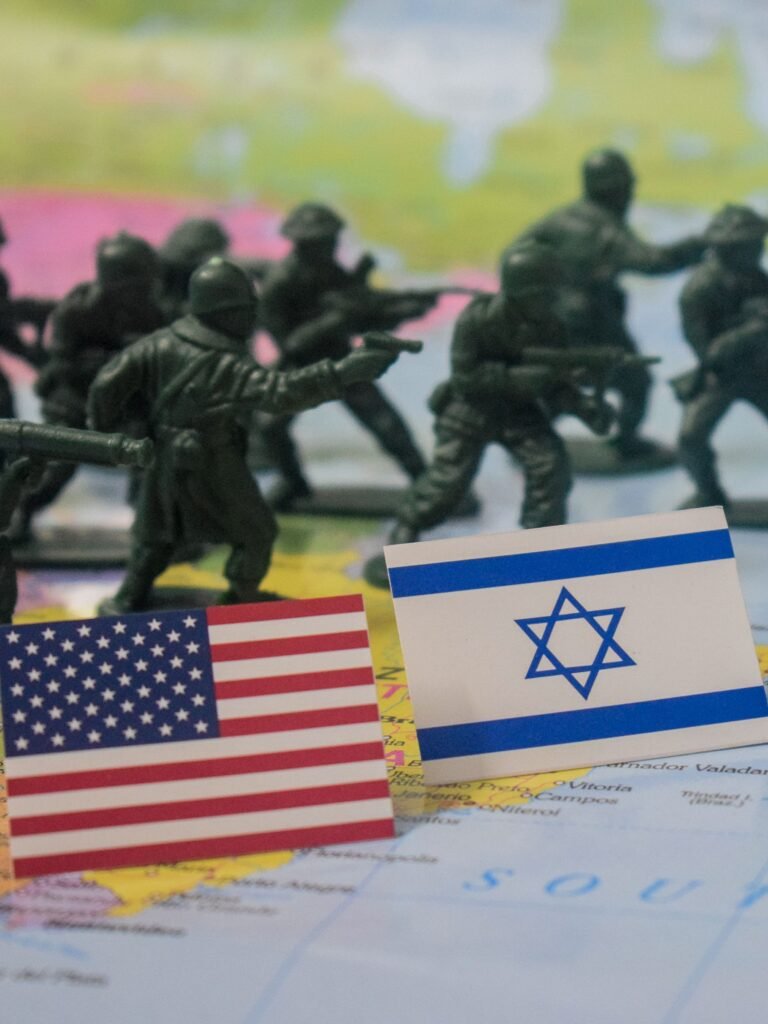
A look at the Iran war timeline reveals that the current situation is the result of years of interlinked events rather than an overnight outbreak of war.
Disagreements at the political level turned into disagreements at the diplomatic level, which led to economic sanctions, military engagements, and security concerns in the region. All of these factors combined to set the stage for recurrent escalations.
What Could Happen Next?
The outcome of the conflict in Iran will be determined by political decisions, diplomacy, and regional security factors.
Scenarios can include:
Diplomacy
Governments may pursue further talks to lower tensions and resolve any disputes.
Futhure Military Action
More military activity could cause instability in the region and involve additional countries.
Ally and Defense Shifts
The ongoing crisis could result in changes to alliances, defense strategies, and politics across the Middle East.
Possible Economic Effects
Future events may continue to impact the economy, global trade, and investor sentiment due to tensions that could affect energy shipping.
Conclusion
The timeline of Iran war shows that the ongoing war has been caused by various factors such as political tension, nuclear dispute, regional rivalry, economic sanctions, and military action. Every phase of the conflict has had an impact on the subsequent phase of the conflict.
Frequently Asked Questions
Major events include nuclear negotiations, economic sanctions, military operations, missile and drone incidents, and diplomatic efforts. Together, these developments shaped the course of the conflict.
Tensions increased due to disagreements over Iran’s nuclear program, regional influence, economic sanctions, and repeated military incidents. These factors gradually led to greater instability.
The conflict primarily involves Iran, with varying levels of involvement from the United States, Israel, and other countries in the Middle East. International organizations have also participated through diplomatic efforts.
Important turning points include changes in diplomatic relations, sanctions, military strikes, and periods of direct escalation. Each event influenced the direction and intensity of the conflict.