The Iran war has become one of the most significant geopolitical conflicts in recent years, attracting worldwide attention because of its potential impact on regional security, global energy markets, and international diplomacy. While recent military actions have brought the conflict into the spotlight, the roots of the Iran war extend back decades. Political disagreements, security concerns, regional rivalries, and disputes surrounding Iran’s nuclear program have all contributed to rising tensions.
What Is the Iran War?
The Iran war refers to the ongoing military and political confrontation involving Iran and other regional and international actors. Rather than being a traditional war between two countries, the conflict includes direct military actions, proxy conflicts, diplomatic disputes, and economic pressure.
The conflict has drawn attention because it involves several interconnected issues, including:
- Iran’s regional influence
- Long-standing political disagreements
- Security concerns among neighboring countries
- Iran’s nuclear program
- International sanctions
- Military operations and retaliatory strikes
These factors have combined over many years, eventually contributing to periods of heightened military confrontation.
History of Iran and International Relations
Understanding why the Iran war started requires examining the country’s modern political history and its relationships with global powers.
Political Changes in Iran
Iran has undergone major political transformations that significantly shaped its foreign policy. These changes altered its relationships with Western countries and influenced its role within the Middle East.
Over time, disagreements regarding regional security, military alliances, and foreign policy priorities became increasingly pronounced.
Growing Regional Influence
Iran has expanded its political and strategic influence throughout parts of the Middle East by building relationships with governments and regional groups. While Iran views these relationships as part of its national security strategy, several neighboring countries and international powers have expressed concerns about their implications for regional stability.
This competition for influence has become one of the defining characteristics of Middle Eastern geopolitics.
Why Did the Iran War Start?
The Iran war did not begin because of one isolated incident. Instead, multiple long-term issues gradually increased tensions until military confrontation became more likely.
Political Tensions
Political disagreements have remained at the center of Iran’s relationships with several countries.
These disagreements include:
- Regional security policies
- Military alliances
- Foreign policy objectives
- Diplomatic disputes
- National security concerns
As negotiations became more difficult, diplomatic solutions became increasingly challenging.
Iran’s Nuclear Program
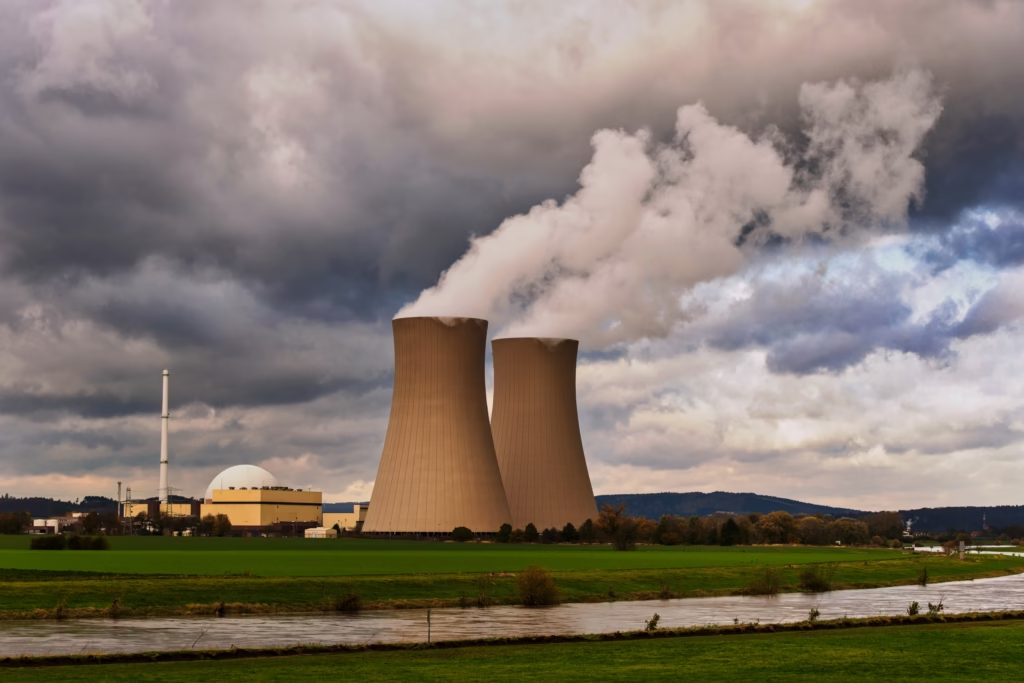
One of the most widely discussed causes of the conflict is Iran’s nuclear program.
International governments have debated whether Iran’s nuclear activities are intended solely for civilian purposes or could potentially support military capabilities. These concerns have resulted in negotiations, international agreements, inspections, and sanctions over many years.
The nuclear issue has remained one of the most significant sources of tension between Iran and several world powers.
Economic Sanctions
Economic sanctions have played an important role in shaping relations with Iran.
Sanctions have targeted various sectors of Iran’s economy with the goal of influencing government policies. In response, Iran has criticized these measures as unfair and harmful to its economic development.
The economic pressure created additional political friction, making diplomatic progress more difficult.
Military Escalation
Several military incidents increased tensions over time.
These developments have included:
- Missile launches
- Drone operations
- Airstrikes
- Maritime security incidents
- Military exercises
Each new incident increased uncertainty and reduced opportunities for diplomatic resolution.
Key Factors Behind the Iran Conflict
Several interconnected issues continue to influence the conflict.
Regional Power Competition
Iran is one of the most influential countries in the Middle East. Other regional powers also seek to protect their security interests and expand their influence.
This competition has contributed to political disagreements and military tensions across the region.
Iran and the United States
Relations between Iran and the United States have experienced decades of political disagreement.
Major issues have included:
- Nuclear negotiations
- Economic sanctions
- Military deployments
- Regional security policies
- Diplomatic negotiations
These issues remain central to understanding the broader conflict.
Iran and Israel
Relations between Iran and Israel have been characterized by significant political and security tensions.
Israel has consistently expressed concerns regarding Iran’s missile capabilities, regional activities, and nuclear ambitions. Iran, meanwhile, has criticized Israeli policies in the region.
These opposing security perspectives have contributed to ongoing instability.
Security Alliances
Security partnerships throughout the Middle East have also influenced the conflict.
Different countries cooperate through defense agreements, intelligence sharing, and military coordination, creating a complex network of alliances that affects regional decision-making.
Iran War Timeline: Events That Led to the Conflict
Although tensions developed over decades, several key developments shaped the current conflict.
| Period | Major Development | Impact |
| Years of diplomatic disputes | Political disagreements increase | Regional tensions rise |
| Nuclear negotiations | International concern grows | Sanctions and diplomacy intensify |
| Regional conflicts | Military influence expands | Security concerns increase |
| Military incidents | Retaliatory actions occur | Risk of escalation grows |
| Recent developments | Direct military confrontation | Global attention intensifies |
This progression illustrates that the conflict evolved gradually through multiple political, military, and diplomatic developments.
How These Factors Led to the Current Iran War
No single event fully explains the conflict. Instead, today’s situation reflects the combined effects of:
- Long-term political disagreements
- Nuclear-related disputes
- Regional competition
- Economic sanctions
- Military incidents
- Diplomatic challenges
When these issues are viewed together, it becomes clear why tensions have remained difficult to resolve.
Why the Iran War Matters Globally
The Iran conflict extends far beyond the Middle East.
Potential global effects include:
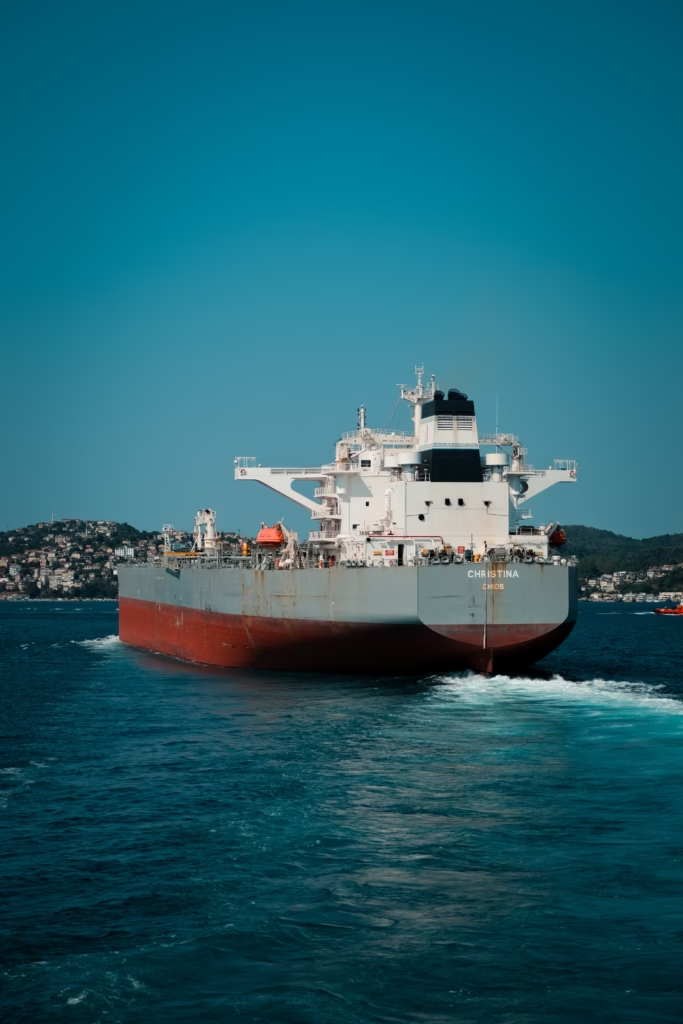
Energy Markets
The region plays an important role in global oil production and transportation. Any disruption can influence international energy prices and supply chains.
International Security
Governments around the world closely monitor the conflict because of its potential impact on regional stability and international security.
Global Economy
Businesses and financial markets often respond to geopolitical uncertainty, particularly when major energy-producing regions are involved.
Humanitarian Concerns
Periods of conflict can affect civilian populations, infrastructure, healthcare systems, and humanitarian assistance efforts.
What Could Happen Next?
Several possible scenarios could influence the future of the Iran conflict.
Continued Diplomatic Negotiations
International mediation and diplomatic discussions may help reduce tensions and encourage political solutions.
Further Military Escalation
Additional military actions could increase regional instability and draw in more countries.
Long-Term Strategic Competition
Even if immediate tensions decrease, underlying political and security disagreements may continue to influence relations for years to come.
Conclusion
The Iran war is the result of decades of political disagreements, regional competition, security concerns, economic sanctions, and disputes over Iran’s nuclear program. Rather than beginning with a single event, the conflict developed through a series of interconnected developments that gradually increased tensions between Iran and other regional and international actors.
Frequently Asked Questions
There is no broad consensus that one person started a war with Iran. However, tensions increased during Donald Trump’s presidency due to sanctions, the U.S. withdrawal from the nuclear deal, and military actions.
Renewed tensions stem from disputes over Iran’s nuclear program, regional influence, sanctions, and military incidents. These issues have caused repeated periods of escalation.
The main issues include Iran’s nuclear program, economic sanctions, regional influence, and long-standing political and security disagreements.
The conflict is driven by security concerns, regional rivalry, and disagreements over Iran’s military capabilities and influence in the Middle East.