The Iran conflict has developed over many years through political disagreements, military incidents, diplomatic negotiations, and regional rivalries. While recent military operations have drawn global attention, the current situation is the result of a long series of events rather than a single incident. Understanding the Iran war timeline helps explain how tensions gradually escalated and why the conflict continues to influence international security and global markets.
This article provides a chronological overview of the Iran conflict, highlighting major events, military operations, and key turning points that have shaped the situation.
What Is the Iran War?
The Iran war refers to the ongoing political and military conflict involving Iran and several regional and international actors. Unlike a conventional war between two countries, the conflict includes direct military actions, proxy conflicts, diplomatic disputes, economic sanctions, and security challenges.
Over time, disagreements over Iran’s nuclear program, regional influence, military activities, and foreign policy have contributed to repeated periods of escalation.
Early Background: Rising Tensions
Before military confrontations became more frequent, tensions had been building for decades.

Several long-term issues contributed to the conflict, including:
- Political disagreements with Western countries
- Concerns surrounding Iran’s nuclear program
- Economic sanctions
- Regional power competition
- Security alliances in the Middle East
These developments created an environment where diplomatic disputes increasingly intersected with military and security concerns.
Iran War Timeline: Major Events
The following timeline outlines some of the key developments that contributed to the current conflict.
| Period | Major Event | Significance |
| Decades of political tensions | Growing disagreements between Iran and several countries | Established long-term diplomatic and security challenges |
| Nuclear negotiations | International discussions over Iran’s nuclear program | Increased global attention and sanctions |
| Economic sanctions | Restrictions imposed on Iran | Added economic and political pressure |
| Regional military incidents | Missile launches, drone operations, and maritime security events | Heightened regional instability |
| Escalating military operations | Airstrikes and retaliatory actions | Increased risk of wider conflict |
| Diplomatic negotiations | International efforts to reduce tensions | Attempted to prevent further escalation |
| Recent developments | Continued military and political responses | Ongoing regional and global concern |
Rather than occurring in isolation, these events built upon one another, contributing to today’s complex geopolitical situation.
Major Military Operations
Military activity has played a significant role in shaping the Iran conflict.
Missile Operations
Missile launches have been among the most visible military developments during periods of heightened tension. These operations have often been followed by retaliatory responses, increasing regional security concerns.
Drone Operations
The use of drones has become an important aspect of modern military strategy. Drone-related incidents have influenced both military planning and international diplomatic discussions.
Airstrikes
Air operations targeting military infrastructure and strategic locations have periodically increased tensions between Iran and other regional actors. These actions have often prompted further military responses.
Maritime Security Incidents
The Persian Gulf and the Strait of Hormuz have experienced periods of heightened security due to incidents involving commercial shipping and naval forces. These events have raised concerns about global energy supplies and international trade.
Key Turning Points in the Iran Conflict
Several developments significantly changed the direction of the conflict.
Nuclear Negotiations
International negotiations regarding Iran’s nuclear program represented an important diplomatic effort to reduce tensions. However, disagreements over the terms and implementation of agreements continued to create challenges.
Expansion of Regional Tensions
As regional rivalries intensified, military and political competition expanded beyond bilateral disagreements, involving additional countries and security alliances.
Increased Military Activity
Periods of intensified military operations marked significant turning points by increasing the possibility of broader regional confrontation.
Diplomatic Efforts
Despite periods of military escalation, governments and international organizations have continued diplomatic discussions aimed at reducing tensions and preventing further conflict.
International Response
The Iran conflict has prompted reactions from governments and international organizations around the world.
United States
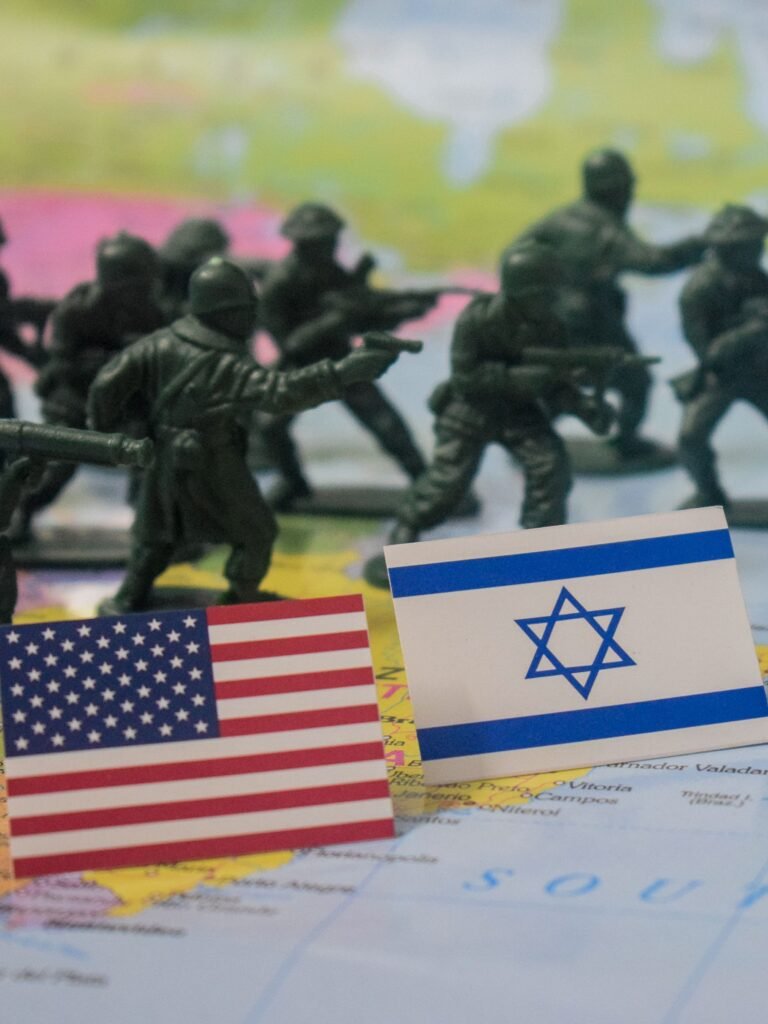
The United States has remained actively involved through diplomatic initiatives, economic sanctions, military deployments, and regional security partnerships.
Israel
Israel has closely monitored Iran’s military activities and regional influence, viewing them as important national security concerns.
Regional Countries
Neighboring countries have responded by strengthening security measures, participating in diplomatic efforts, and monitoring developments that could affect regional stability.
International Organizations
International organizations have encouraged dialogue, diplomacy, and efforts to reduce tensions while emphasizing regional stability and humanitarian concerns.
How the Timeline Explains Today’s Conflict
Looking at the Iran war timeline shows that today’s situation developed through years of interconnected events rather than one sudden outbreak of conflict.
Political disagreements evolved into diplomatic disputes, which were followed by economic sanctions, military incidents, and regional security concerns. Together, these developments created the conditions for repeated periods of escalation.
Understanding this sequence helps explain why resolving the conflict remains complex and why diplomatic efforts continue alongside military developments.
What Could Happen Next?
The future of the Iran conflict depends on political decisions, diplomatic negotiations, and regional security developments.
Possible scenarios include:
Continued Diplomatic Talks
Governments may continue negotiations to reduce tensions and address long-standing disagreements.
Further Military Escalation
Additional military incidents could increase regional instability and involve more countries.
Regional Security Changes
The conflict may reshape alliances, defense strategies, and political relationships throughout the Middle East.
Economic Impacts
Future developments could continue to influence oil markets, global trade, and investor confidence, particularly if tensions affect major energy transportation routes.
Conclusion
The Iran war timeline demonstrates that the current conflict is the result of years of political tensions, nuclear disputes, regional competition, economic sanctions, and military operations. Each stage of the conflict has influenced the next, creating a complex geopolitical situation with global implications.
Frequently Asked Questions
Major events include nuclear negotiations, economic sanctions, military operations, missile and drone incidents, and diplomatic efforts. Together, these developments shaped the course of the conflict.
Tensions increased due to disagreements over Iran’s nuclear program, regional influence, economic sanctions, and repeated military incidents. These factors gradually led to greater instability.
The conflict primarily involves Iran, with varying levels of involvement from the United States, Israel, and other countries in the Middle East. International organizations have also participated through diplomatic efforts.
Important turning points include changes in diplomatic relations, sanctions, military strikes, and periods of direct escalation. Each event influenced the direction and intensity of the conflict.