Electricity is behind almost everything in today’s world, from lighting to appliances to heating and cooling systems, entertainment, etc. Even though an efficient electrical system may be not noticed, small problems may turn into serious safety risks in no time. If you live in an old brownstone, a suburban house or manage a rental property, learning about residential electrical services NY homeowners need regularly will help keep your property safe and increase its energy efficiency and comply with the regulations.
A wide range of services from regular repairs to upgrading electrical panels or installing smart home systems and EV charging stations is offered by professional home electrical services. Hiring an electrician that NY residents trust will guarantee that electrical work is done safely and according to the building regulations.
In this article, we have prepared a guide about the most common residential electrical services, symptoms of electrical problems, safety tips, cost estimates, and how to find the right professionals for your house.
What Are Home Electrical Services?
Home Electrical Services
Residential Electrical Services include the installation, maintenance, repair, and upgrade of all electrical wiring in residential houses. Residential electricians can help to make sure that all aspects of your home electrical service are working well.
The most common home electrical services include:
- Electrical troubleshooting and repairs
- Circuit breaker replacement
- Electrical panel upgrade
- Whole-house rewiring
- Installation of outlets and switches
- Installation of indoor/outdoor lights
- Installation of ceiling fans
- Installation of smoke/carbon monoxide detectors
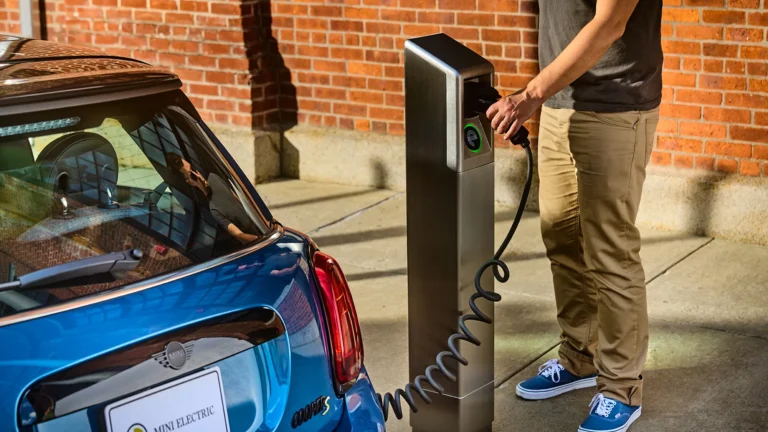
- Installation of EV chargers
- Installation of backup generators
- Whole house surge protection
- Smart home electrical system installation
An inspection is another service that is offered by a professional electrician whom homeowners in New York State might call in for.
Common Electrical Problems in New York Homes
There is a wide variety in terms of the years that New York houses have been standing since some may be old while others may be very recent structures.

Some of the common electrical problems are:
Flickering or Dimming Lights
If lights flicker continuously, it is an indication of overloaded circuits, loose wiring, and faulty electrical equipment.
Tripping Circuit Breakers Frequently
Circuit breakers are designed to keep your home safe from overloaded circuits, hence switching off power whenever there is overload. If they keep on tripping, there could be an electrical problem.
Dead Outlets
Outlets that don’t work can occur due to tripped GFCI outlets, faulty wiring, and old electrical parts.
Burning Odor
A smell of burning coming from outlets, switches, or the electrical box must never be ignored because this could be a sign of overheated wires or faulty electrical appliances.
Buzzing Noises
The electrical system must always run silently. Buzzing sounds typically mean problems with either loose wires or faulty circuit breakers.
Outdated Electrical Wiring
A lot of New York City houses have old electrical wiring that might not be able to handle today’s electrical needs.
Electrical Power Surges
Electrical surges can damage devices and shorten their life span.
Signs You Need Professional Electrical Service
Knowing how to recognize the time to contact a professional electrician that is needed by New York homeowners will keep minor issues from turning into major safety concerns.
Look out for these warning signs:
- Repeated tripping of the breakers
- Dim lights when turning on household appliances
- Warm or discolored outlets
- Sparking outlets or switches
- Smell of burning
- Electric shocks when plugging in anything
- Humming noise from your electrical panel
- Constantly blowing fuses
- Unstable outlets
- Increased electrical consumption
Failure to address these problems may lead to fire hazards and expensive maintenance costs.
Most Common Residential Electrical Services
Home electrical services by experts in New York are available for any small or major issues in your home.
Electrical Repairs
Small repairs include fixing damaged outlets, broken switches, wires, faulty breakers, and all kinds of other electrical faults.
Electrical Installations
Additional rooms and expansions of your house need extra outlets, circuit installations, lighting fixtures, etc.

Upgrade Electrical Panel
Older electrical panels may not have sufficient power supply for all modern appliances that households use these days.
Home Rewiring Service
Homes that have old or faulty wiring system might need rewiring to ensure proper functioning.
Install Lighting
Lighting installation involves installing of various types of lighting including recessed, pendants, chandeliers, under cabinet, landscape, and security lighting.
Ceiling Fan Installation
Proper installation ensures comfort and safety of electrical connections.
EV Charger Installation
With the increase in electric vehicles, the installation of level two chargers that need separate electrical connections has become common.
Backup Generator Installation
Backup generators supply power in case of a power outage.
Whole-Home Surge Protection
Surge protection helps safeguard electronics, appliances, and HVAC equipment from voltage spikes caused by storms or utility fluctuations.
Electrical Panel Upgrades Explained
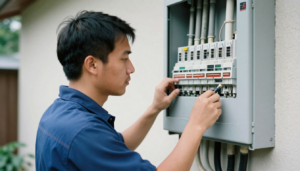
An electrical panel acts as the main source of power to all your house circuits. An old electrical panel might not be able to cope with the current amount of power consumption.
If any of the following conditions apply, an electrical panel upgrade is needed:
- You have a 60-amp or 100-amp service
- Breakers often trip
- A renovation is being considered
- Central AC is being added
- You’re installing an EV charger
- Switching to electric appliances
Modern houses can benefit from 200-amp service, which ensures additional power supply capacity and provides some additional space to expand in the future.
Panel upgrade will make your system safer and lower the risk of overloading.
Electrical Safety Tips Every Homeowner Should Know
Good electrical safety practices can prevent accidents and increase the lifespan of the electrical system in your house.

Some safety precautions are as follows:
- Do not use overloaded electrical outlets.
- Discard damaged cords at once.
- Check GFCI outlets frequently.
- Make sure that your electrical panel is easily accessible.
- Ensure regular electric panel inspection.
- Place smoke and CO detectors in each floor of the house.
- Use power strips for electronics.
- Do not perform any DIY electric repairs without proper training.
- Protect your outdoor electrical items from moisture.
- Get old wiring replaced.
Maintenance helps find problems that could be safety risks before they become dangerous.
Electrical Services Cost Guide in New York
The price for residential electrician services depends on how complicated the job is, what materials need to be purchased, and the state of the current electrical system.
| Service | Typical Cost Range |
| Electrical inspection | $150–$400 |
| Outlet replacement | $100–$300 |
| Light fixture installation | $150–$500 |
| Ceiling fan installation | $200–$600 |
| Circuit breaker replacement | $150–$500 |
| Electrical panel upgrade | $2,000–$5,000+ |
| Whole-home rewiring | $8,000–$20,000+ |
| EV charger installation | $800–$2,500 |
| Whole-home surge protection | $300–$900 |
| Backup generator installation | $3,000–$10,000+ |
The cost will depend on factors like the size of the house, access, permits needed, labor, and the complexity of the electrical work. Getting quotes from a reliable electrical contractor that New York homeowners trust will assist you in making comparisons.
How to Choose the Right Electrician
Choosing the best electrician is crucial for guaranteeing the safety and compliance with codes of the work performed.
Here are some factors you should take into account when choosing a licensed electrician that New Yorkers can trust:
License
Always make sure that your electrician is licensed to do the job.
Insurance
Liability and workers’ compensation insurance will protect both you and the contractor.
Experience
It is always better to hire a professional who has completed projects like yours before.
Customer Reviews
This information will help you learn more about your contractor.
Ask for Itemized Quotes
The quote should list down the labor, materials, permits, time periods and the warranties.
Inquire Regarding Emergencies
Unexpected emergencies could arise at any time. It is better to choose a reliable electrical contractor that provides emergency services.
Check Warranties
Good electricians always offer warranties for both the labor done and the parts used.
Conclusion
It is very important that the electrical system in your house be kept safe and dependable for the safety of your home, your family, and your investment. Whatever service your electrical system needs, whether it is repair, lighting installation, upgrade to your electrical panel, or even rewiring, the services of professional residential electrical services in New York will assist you in keeping your electrical system in tip-top condition.
Being able to spot the early signs of a problem and practicing electrical safety tips will decrease the likelihood of having any problems. By choosing an experienced electrical contractor in New York, the job will be done right the first time.
Frequently Asked Questions
The cost per hour of an electrician that is certified in New York usually lies between $75 to $150 per hour, but can also be higher in New York City or for emergency jobs. The actual cost will depend on the experience of the electrician, the type of work he has to do, and whether it requires any special equipment.
Four major types of electricians include residential electricians, commercial electricians, industrial electricians, and maintenance electricians. Residential electricians are the appropriate choice for tasks like wiring, electrical repairs, panel changes, lighting installations, and other home electrical work.
The cost of electrical repairs in New York is usually between $100 and $1,000, although it can be even more, depending on the nature of the repair needed. The simple repair work such as changing an outlet does not cost much money.