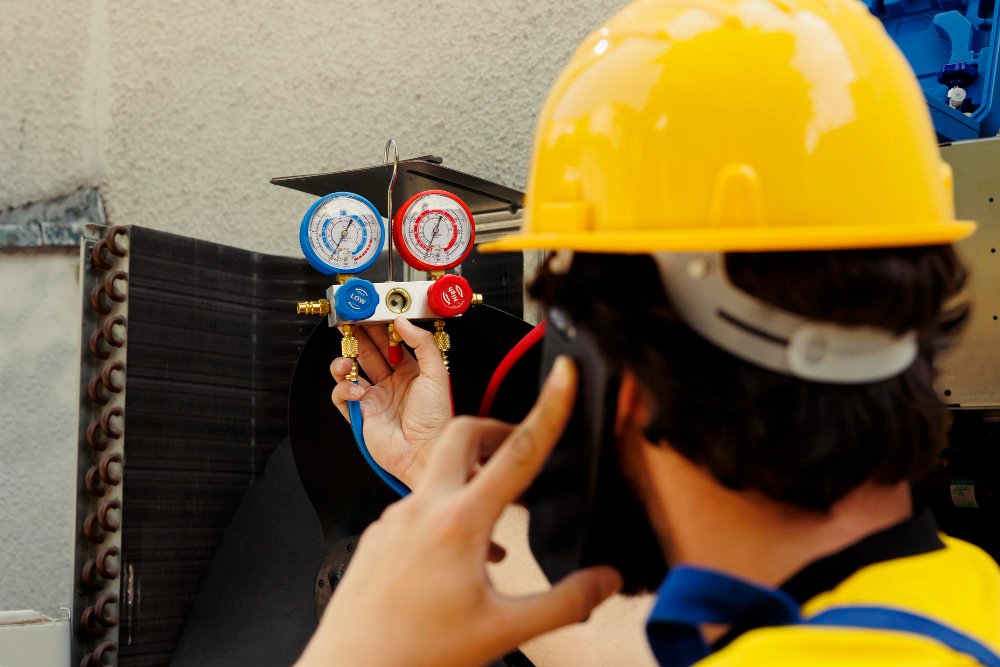
Your HVAC system plays a vital role in keeping your home comfortable throughout the year. From keeping your family warm during freezing winters to providing cool, refreshing air in the summer, the system works hard in every season. Over time, however, normal wear and tear, changing weather conditions, and lack of maintenance can lead to performance issues that affect both comfort and energy efficiency.
Recognizing the signs your HVAC system needs repair can help prevent small problems from turning into expensive breakdowns. This guide explores the most common HVAC problems, explains what causes them, how professionals diagnose and fix them, and when it’s time to call an expert for reliable repairs.
Signs Your HVAC System Needs Repair
HVAC systems rarely stop working without warning. In most cases, they show early signs that something isn’t functioning properly. Paying attention to these warning signs can help you schedule repairs before the problem becomes more serious.
Weak Airflow
If little air is coming from your vents, the issue could be caused by a clogged air filter, blocked ductwork, a failing blower motor, or other airflow restrictions. Reduced airflow forces the system to work harder while delivering less comfort.
Uneven Heating or Cooling
Some rooms may feel warmer or cooler than others due to thermostat issues, leaking ductwork, blocked vents, or an improperly sized HVAC system.
Unusual Noises
Grinding, banging, rattling, squealing, or buzzing sounds often indicate loose components, worn belts, failing motors, or electrical issues that require professional attention.
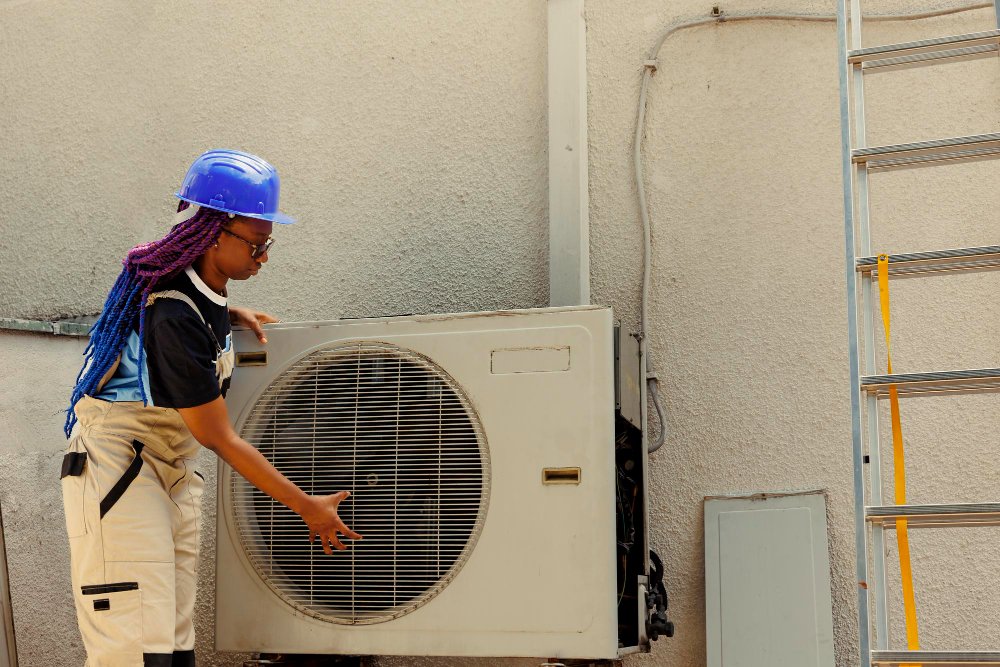
Higher Energy Bills
A sudden increase in utility costs without a change in usage may indicate your HVAC system is losing efficiency due to dirty components or mechanical problems.
Strange Odors
Musty smells may point to mold or mildew, while burning odors can indicate electrical problems or overheating components.
Frequent Cycling
If your HVAC system turns on and off more frequently than normal, it may have thermostat problems, airflow restrictions, or oversized equipment.
Water Leaks
Moisture around the indoor unit may result from clogged condensate drains, frozen coils, or damaged drain pans and should be inspected promptly.
Recognizing these signs your HVAC system needs repair early can reduce repair costs and help prevent unexpected system failures.
Common HVAC Problems and Their Causes
Many HVAC issues develop gradually as equipment ages or maintenance is overlooked. Understanding the most common HVAC problems can help homeowners recognize when professional service is needed.
Dirty Air Filters
One of the most common HVAC issues is a clogged air filter. Dirty filters restrict airflow, reduce efficiency, increase energy consumption, and place additional strain on the system.
Refrigerant Leaks
Low refrigerant levels reduce cooling performance and may cause longer cooling cycles or frozen evaporator coils. Refrigerant leaks should always be repaired by a qualified technician.
Frozen Evaporator Coils
Restricted airflow, dirty filters, or refrigerant problems can cause evaporator coils to freeze, preventing the air conditioner from cooling effectively.
Faulty Thermostats
A malfunctioning thermostat may produce inaccurate temperature readings, cause frequent cycling, or prevent the HVAC system from operating correctly.
Blower Motor Problems
The blower motor moves conditioned air throughout your home. When it begins to fail, homeowners may notice weak airflow, unusual noises, or inconsistent temperatures.
Electrical Issues
Loose wiring, worn capacitors, damaged relays, or failing contactors can prevent the HVAC system from starting or operating safely.
Clogged Condensate Drain
Air conditioners remove moisture from the air, which drains through a condensate line. If the drain becomes clogged, water may back up and leak around the unit.
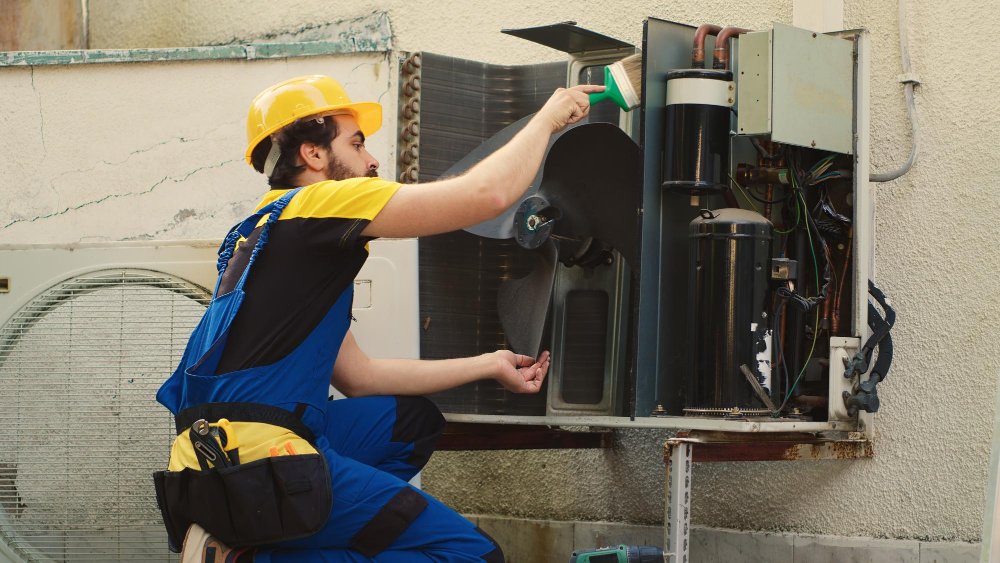
Leaking Ductwork
Damaged or poorly sealed ducts allow conditioned air to escape before reaching living spaces, reducing comfort and increasing energy costs.
Although some of these problems may seem minor, professional diagnosis is often necessary to determine the exact cause and prevent additional damage.
How Professionals Diagnose HVAC Problems
Professional HVAC technicians use a systematic approach to identify the source of a problem rather than simply replacing parts.
A typical HVAC troubleshooting process includes:
System Inspection
Technicians inspect the indoor and outdoor units, looking for visible signs of wear, corrosion, leaks, or damaged components.
Airflow Testing
Restricted airflow is a common cause of HVAC problems. Professionals inspect filters, ductwork, vents, and blower components to identify airflow issues.
Thermostat Testing
The thermostat is tested to ensure it communicates correctly with the HVAC system and accurately controls indoor temperatures.
Electrical Diagnostics
Electrical connections, capacitors, contactors, relays, and control boards are inspected using specialized testing equipment.
Refrigerant Inspection
For air conditioning systems, technicians check refrigerant levels and inspect for leaks that may affect cooling performance.
Performance Testing
Once any issues are identified, technicians test the system’s overall operation to verify that heating, cooling, airflow, and safety controls are functioning properly.
Professional HVAC troubleshooting helps ensure the root cause of the problem is addressed rather than temporarily masking the symptoms.
How HVAC Professionals Fix Common Problems
Once the problem has been identified, the repair process depends on the condition of the equipment and the affected components.
Common professional repairs include:
Replacing Dirty Air Filters
Installing clean filters immediately improves airflow and allows the system to operate more efficiently.
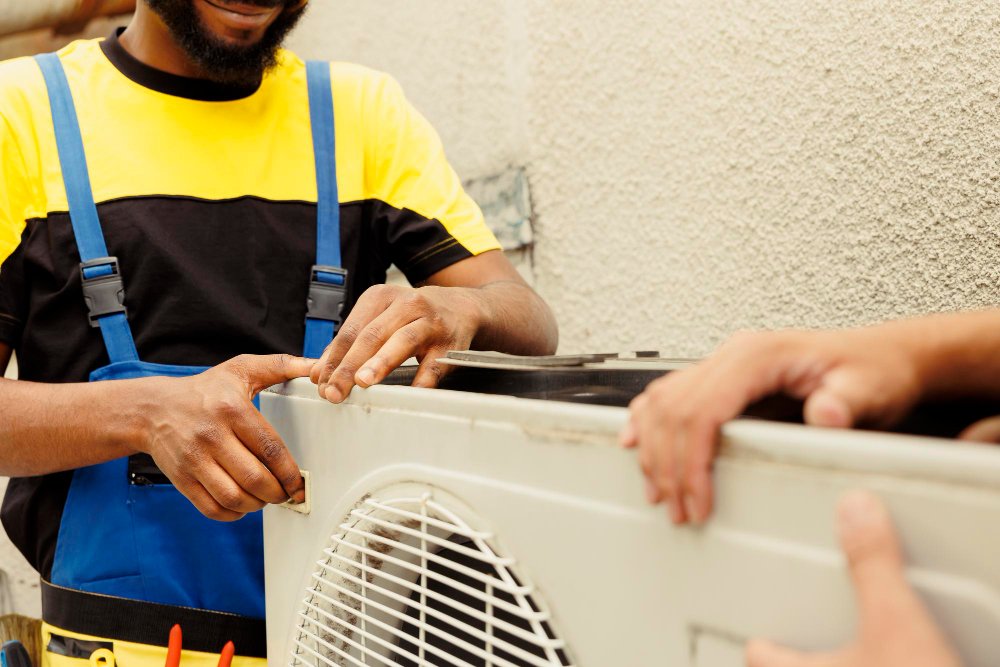
Repairing Refrigerant Leaks
Technicians locate the leak, repair the damaged section, and recharge the refrigerant according to manufacturer specifications.
Cleaning Evaporator and Condenser Coils
Removing dirt and debris from the coils improves heat transfer and restores cooling efficiency.
Replacing Faulty Thermostats
Installing a new thermostat restores accurate temperature control and may improve overall system performance.
Repairing Electrical Components
Damaged capacitors, relays, contactors, wiring, or circuit boards are replaced to restore safe and reliable operation.
Sealing Ductwork
Leaks in the duct system are sealed to improve airflow, increase efficiency, and maintain consistent temperatures throughout the home.
Replacing Worn Mechanical Parts
Blower motors, fan belts, bearings, and other worn components may be replaced to restore reliable operation and prevent future breakdowns.
By performing the appropriate repairs, HVAC professionals help improve system efficiency, restore comfort, and extend the lifespan of the equipment.
When to Call for Professional HVAC Repair
While homeowners can replace air filters or check thermostat settings, many HVAC issues require professional expertise.
You should schedule professional service if:
- Your system won’t heat or cool properly.
- Airflow has become significantly weaker.
- The HVAC unit makes loud or unusual noises.
- Water is leaking around the equipment.
- The system repeatedly trips the circuit breaker.
- Burning or electrical odors are present.
- The equipment frequently turns on and off.
- The system stops working during extreme weather.
When a complete breakdown occurs during very hot or cold conditions, same-day HVAC repair in New York can help restore comfort quickly and prevent further damage to the system.
For seasonal heating or cooling failures, experienced technicians offering furnace and AC repair services in New York can diagnose the issue, recommend the appropriate repair, and return your system to reliable operation.
Preventing Future HVAC Problems
Preventive maintenance remains one of the most effective ways to reduce unexpected repairs and improve the long-term performance of your HVAC system.
Homeowners can help prevent future problems by:
- Replacing air filters every one to three months.
- Scheduling professional maintenance twice a year.
- Keeping outdoor condenser units free of debris.
- Cleaning vents and ensuring they remain unobstructed.
- Monitoring unusual noises or odors.
- Using programmable or smart thermostats.
- Sealing air leaks around doors and windows.
- Scheduling inspections whenever performance noticeably changes.
These simple maintenance habits help improve efficiency while reducing wear on important system components.
Conclusion
Knowing the signs your HVAC system needs repair can help homeowners address problems before they lead to costly breakdowns or complete system failure. Whether the issue involves dirty filters, refrigerant leaks, thermostat malfunctions, or electrical components, prompt attention often results in faster repairs and lower costs.
Understanding common HVAC problems, recognizing when professional service is needed, and scheduling routine maintenance can keep your heating and cooling system operating efficiently throughout the year. By partnering with a qualified HVAC professional and addressing issues early, homeowners can enjoy greater comfort, improved energy efficiency, and a longer-lasting HVAC system.
Frequently Asked Questions
One of the most common HVAC problems is a dirty or clogged air filter, which restricts airflow and reduces system efficiency. Replacing the filter regularly can improve performance, lower energy costs, and help prevent unnecessary repairs.
Common signs include weak airflow, uneven temperatures, unusual noises, rising energy bills, unpleasant odors, and frequent cycling. Addressing these issues early can help prevent more costly repairs.
Homeowners can check air filters, thermostat settings, and circuit breakers before calling a professional. However, electrical, refrigerant, or mechanical issues should always be handled by a qualified HVAC technician.
Contact an HVAC professional if your system won’t heat or cool properly, makes unusual noises, leaks water, or stops working completely. Prompt repairs can prevent further damage and restore comfort more quickly.