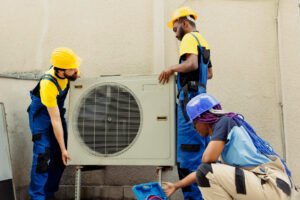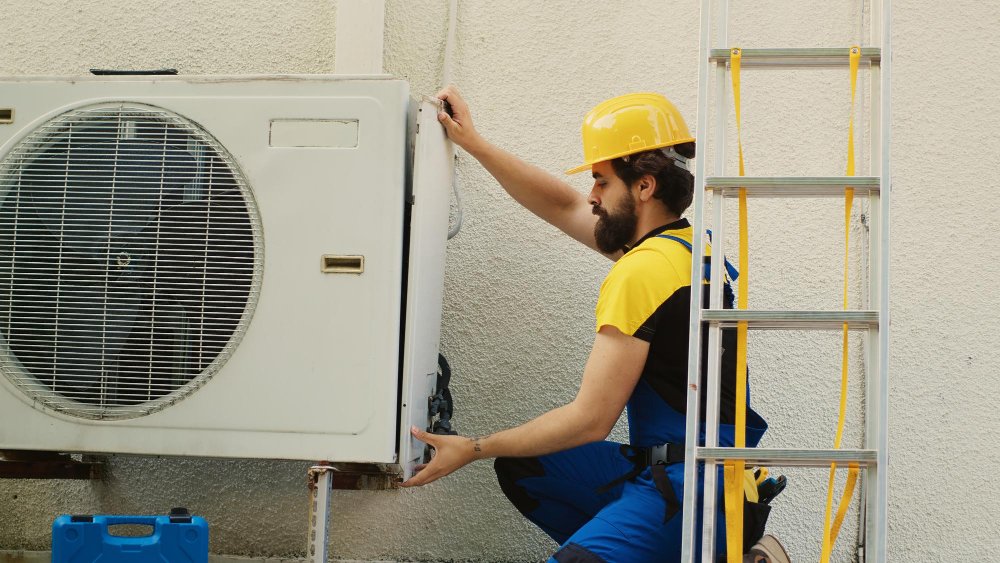
Every homeowner will eventually face an important decision: should an aging HVAC system be repaired or replaced? While repairing a malfunctioning unit may seem like the most affordable option, frequent breakdowns and declining efficiency can make replacement a smarter long-term investment. The right choice depends on factors such as the system’s age, repair costs, energy efficiency, and overall performance.
Understanding the differences between HVAC repair vs HVAC replacement can help homeowners make an informed decision that balances immediate expenses with long-term savings. This guide explains when repairs make sense, when replacement is the better option, and the key factors to consider before investing in your home’s heating and cooling system.
Understanding HVAC Repairs
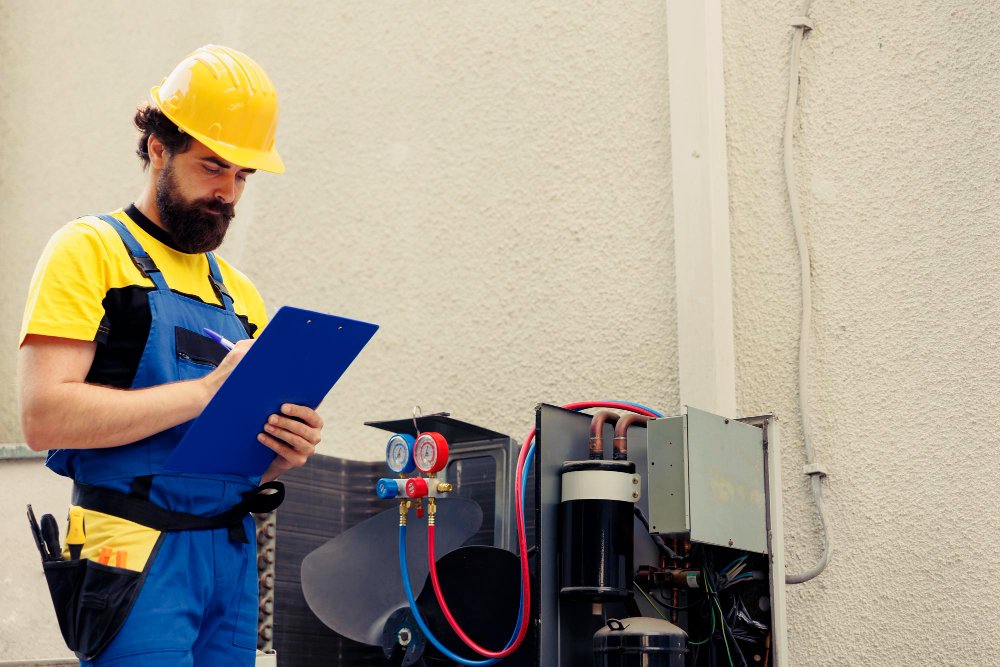
HVAC repairs are designed to restore the performance of an existing heating or cooling system without replacing the entire unit. Most repairs involve replacing worn or damaged components, fixing electrical issues, or resolving airflow problems that affect comfort and efficiency.
Common HVAC repairs include:
- Replacing faulty thermostats
- Repairing refrigerant leaks
- Replacing blower motors or capacitors
- Fixing electrical connections
- Cleaning clogged condensate drains
- Repairing ductwork leaks
- Replacing worn belts or fans
Many of these repairs are relatively straightforward and can significantly extend the life of an HVAC system when addressed early. Routine maintenance also plays an important role in reducing the need for unexpected repairs by identifying small issues before they become costly problems.
When Repairing Your HVAC System Makes Sense
Not every HVAC issue requires replacing the entire system. In many situations, repairs are the most practical and cost-effective solution.
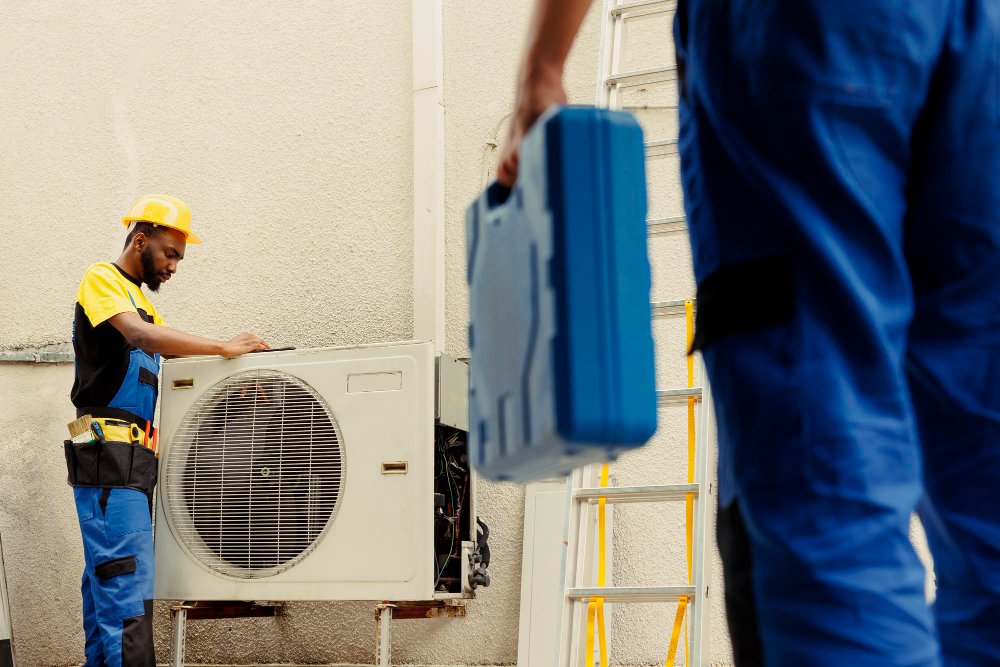
Your System Is Less Than 10–12 Years Old
Most residential HVAC systems are designed to last between 15 and 20 years with proper maintenance. If your equipment is still relatively new and has been well maintained, repairing a faulty component is often worthwhile.
Repairs Are Minor
Replacing a capacitor, thermostat, blower motor, or other individual component is usually far less expensive than installing an entirely new system. Minor repairs can restore performance without requiring a major investment.
Your Energy Bills Remain Stable
If your heating and cooling costs haven’t increased significantly and your home remains comfortable, repairing the existing system may provide several more years of reliable service.
The System Has a Good Maintenance History
Equipment that receives regular inspections and seasonal tune-ups generally experiences fewer major failures. Well-maintained systems are often good candidates for repair rather than replacement.
Warranty Coverage Is Still Active
If your equipment or replacement parts are covered under warranty, repairing the system can be the most economical option.
When It’s Time to Replace Your HVAC System
Although repairs can solve many problems, there comes a point when replacing the system becomes the better investment.
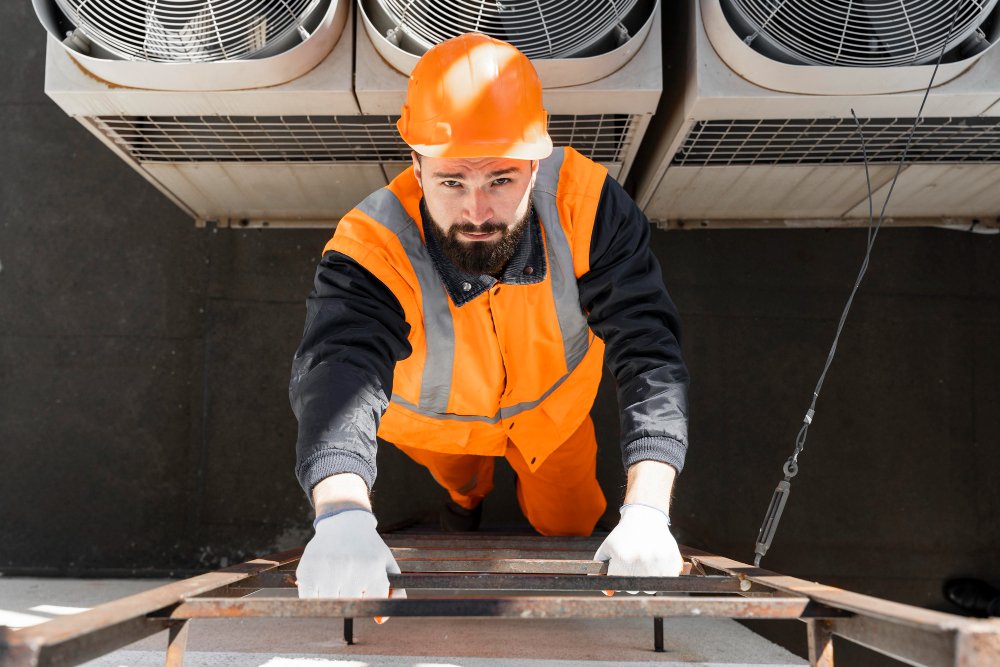
Your HVAC System Is 15–20 Years Old
Age is one of the biggest indicators that replacement may be necessary. Older systems naturally become less efficient, require more maintenance, and may struggle to maintain consistent indoor temperatures.
Repairs Are Becoming More Frequent
If you’re scheduling service calls several times a year, repair costs can quickly add up. Investing in a new system may provide greater reliability and reduce ongoing maintenance expenses.
Energy Bills Continue to Increase
Older HVAC equipment typically consumes more energy than modern high-efficiency systems. Rising utility bills often indicate declining performance and increasing operating costs.
Uneven Heating or Cooling
Rooms that remain too hot or too cold, poor airflow, or inconsistent temperatures throughout the home may signal that the system is no longer performing efficiently.
Major Components Have Failed
Compressor failures, cracked heat exchangers, or multiple component failures can be expensive to repair. In many cases, replacing the system provides better long-term value.
If you’re wondering, when should I replace my HVAC system in New York? consider replacing it when it’s nearing the end of its expected lifespan, repair costs become frequent, or it can no longer keep your home comfortable during New York’s extreme summers and winters.
Repair vs. Replacement Cost Comparison
One of the biggest concerns homeowners have been cost. While repairs usually involve a smaller upfront expense, replacing an aging system can lead to significant long-term savings.
| HVAC Repair | HVAC Replacement |
| Lower upfront cost | Higher initial investment |
| Ideal for newer systems | Best for aging or inefficient systems |
| Extends existing system life | Provides a completely new system |
| May require additional future repairs | Lower maintenance costs for several years |
| Existing energy efficiency remains the same | Higher efficiency and lower utility bills |
| Short-term solution | Long-term investment |
Although replacement costs more initially, modern HVAC systems are designed to consume less energy, operate more quietly, and provide better indoor comfort. Over time, lower utility bills and reduced repair expenses may offset much of the initial investment.
Factors to Consider Before Making a Decision
Every home and HVAC system is different, so there isn’t a one-size-fits-all answer. Before deciding whether to repair or replace your system, consider the following factors.
Age of the Equipment
Older systems are generally more expensive to maintain and less energy efficient than newer models.
Frequency of Repairs
Occasional repairs are expected, but repeated breakdowns often indicate that the system is reaching the end of its useful life.
Repair Costs
If a major repair represents a significant portion of the cost of a new system, replacement may provide better long-term value.
Energy Efficiency
Modern HVAC equipment often offers significantly higher efficiency ratings, reducing monthly utility costs while improving overall comfort.
Future Plans
If you plan to remain in your home for many years, investing in a new system may provide greater savings and reliability. If you’re planning to sell soon, repairing the existing system could be the more practical choice depending on its condition.
Budget
Your available budget will naturally influence your decision. While repairs require less upfront spending, financing options may make replacement more affordable for homeowners who want to reduce future operating costs.
Choosing the Right HVAC Professional
Whether you decide to repair or replace your system, working with an experienced HVAC professional is essential. A qualified technician can inspect your equipment, explain the condition of major components, and recommend the most cost-effective solution based on your home’s needs.
If replacement is recommended, consider working with a trusted residential HVAC replacement company in New York that has experience installing systems suited to the region’s climate. Comparing written estimates, reviewing customer feedback, and verifying licensing and insurance can help you choose the right contractor with confidence.
For homeowners considering HVAC replacement in New York, obtaining multiple quotes and understanding warranty coverage can make it easier to compare options and select the system that offers the best long-term value.
Conclusion
Choosing between HVAC repair vs HVAC replacement involves more than comparing upfront costs. The age of your system, repair history, energy efficiency, and overall performance all play an important role in determining which option offers the better investment.
Minor repairs often make sense for newer systems with isolated issues, while older equipment that requires frequent service may benefit from replacement. By working with a qualified HVAC professional and carefully evaluating your options, you can make a decision that improves comfort, lowers operating costs, and protects your home’s heating and cooling investment for years to come
Frequently Asked Questions
Repairing is usually the better option for newer systems with minor issues, while replacement is often more cost-effective for older systems with frequent breakdowns. Consider the system’s age, repair costs, and energy efficiency before deciding.
Replacing an HVAC system in New York City typically costs $6,000 to $15,000 or more, depending on the system type, home size, and installation complexity. Getting multiple quotes helps homeowners compare pricing and available options.
Major HVAC repairs typically involve replacing expensive components such as the compressor, heat exchanger, evaporator coil, or blower motor. These repairs can be costly and may make replacement a better long-term investment for older systems.
Frequent repairs, rising energy bills, uneven heating or cooling, unusual noises, and a system that’s 15–20 years old are common signs it may be time for a replacement. A professional inspection can help determine the most cost-effective solution.