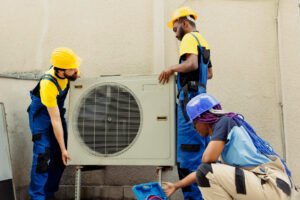
Your HVAC system works hard throughout the year to keep your home comfortable, from providing reliable heating during freezing winters to cooling your living spaces during hot, humid summers. Because of New York’s changing climate, heating and cooling equipment experiences significant wear and tear, making regular maintenance essential for reliable performance and energy efficiency.
Many homeowners wonder how often should an HVAC system be serviced in New York and whether routine maintenance is really necessary. The answer is yes—scheduled inspections and tune-ups can help prevent unexpected breakdowns, lower energy bills, improve indoor air quality, and extend the lifespan of your equipment. This guide explains the recommended service schedule, what’s included in a maintenance visit, and why preventive care is one of the best investments you can make for your home’s comfort.
How Often Should an HVAC System Be Serviced?
For most homes, HVAC professionals recommend servicing the system twice a year—once in the spring before the cooling season begins and again in the fall before the heating season starts. This schedule prepares your equipment for the periods when it will be working the hardest.
Spring maintenance focuses on air conditioning components, while fall service ensures your furnace, boiler, or heat pump is ready for colder weather. If your home has a heat pump that operates year-round, regular inspections become even more important because the system works in every season.
Scheduling routine HVAC maintenance in New York helps identify worn components, improve efficiency, and reduce the risk of unexpected repairs during extreme temperatures.
What’s Included in an HVAC Maintenance Visit?
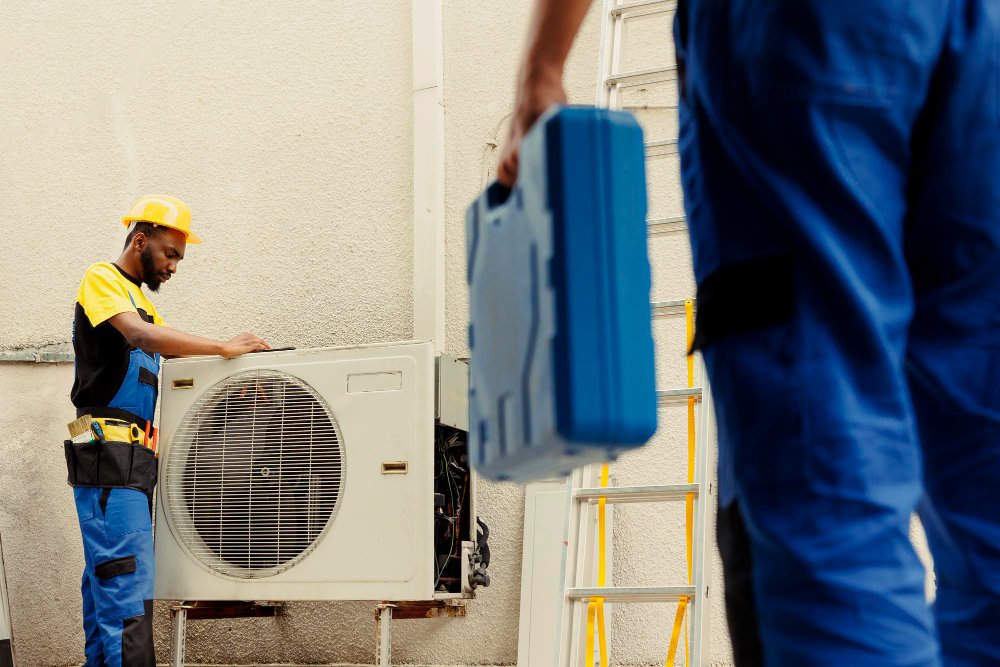
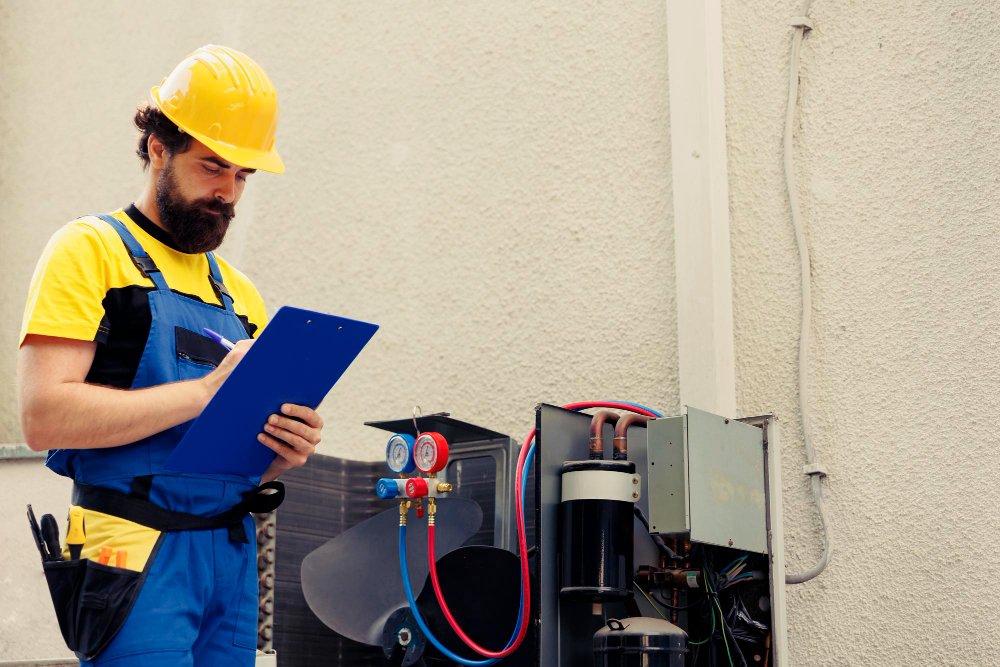
A professional maintenance appointment involves much more than changing an air filter. HVAC technicians perform a thorough inspection to ensure every major component is operating safely and efficiently.
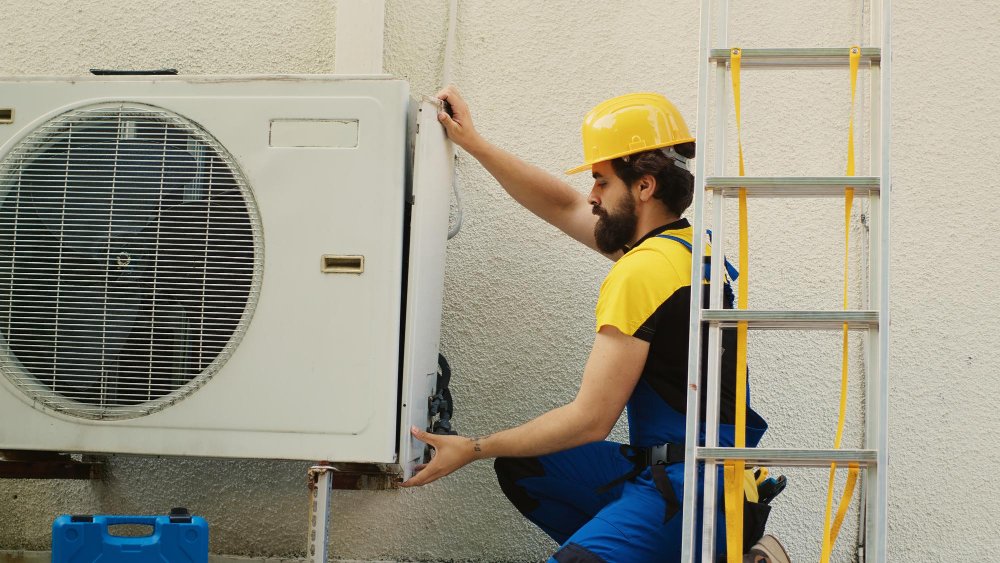
A typical maintenance visit may include:
- Inspecting the heating and cooling system
- Cleaning evaporator and condenser coils
- Replacing or checking air filters
- Testing thermostat operation
- Inspecting electrical connections
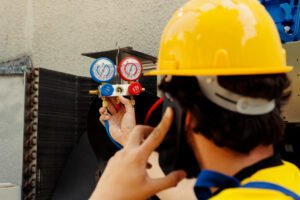
- Checking refrigerant levels
- Lubricating moving parts
- Inspecting the blower motor and fan
- Clearing condensate drain lines
- Testing airflow throughout the system
- Checking safety controls
- Inspecting ductwork for visible leaks
After completing the inspection, the technician may recommend repairs or adjustments if they identify worn components or performance issues. Addressing these concerns early can help prevent more expensive repairs later.
Benefits of Regular HVAC Maintenance
Routine maintenance offers several advantages beyond preventing unexpected breakdowns. Keeping your HVAC system in good condition helps improve comfort, reduce operating costs, and protect your investment.
Improved Energy Efficiency
Dust, dirt, and worn components force HVAC equipment to work harder than necessary. Regular servicing helps the system operate more efficiently, which can reduce monthly energy consumption.
Lower Utility Bills
An efficient HVAC system uses less energy to heat and cool your home. Over time, improved performance can lead to noticeable savings on utility costs.
Fewer Unexpected Repairs
Routine inspections allow technicians to identify loose electrical connections, worn parts, and other minor issues before they develop into major problems.
Longer Equipment Lifespan
Preventive maintenance reduces unnecessary strain on system components, helping furnaces, air conditioners, and heat pumps last longer before replacement becomes necessary.
Better Indoor Air Quality
Cleaning filters, coils, and other components helps reduce dust, allergens, and airborne contaminants that circulate through your home.
More Consistent Comfort
A well-maintained HVAC system is better able to maintain consistent temperatures and humidity levels throughout the home, improving overall comfort during every season.
Signs Your HVAC System Needs Service
Even with regular maintenance, homeowners should watch for signs that indicate the system requires professional attention.
Common warning signs include:
Weak Airflow
Reduced airflow may indicate clogged filters, blocked ductwork, blower motor issues, or other mechanical problems affecting system performance.
Uneven Heating or Cooling
If some rooms feel significantly warmer or cooler than others, your HVAC system may need adjustment or repair.
Unusual Noises
Grinding, rattling, squealing, or banging sounds often indicate worn components that should be inspected promptly.
Rising Energy Bills
An unexplained increase in utility costs may suggest the system is working harder because of reduced efficiency or failing components.
Strange Odors
Burning smells, musty odors, or unusual scents coming from vents could indicate electrical issues, mold growth, or dirty system components.
Frequent Cycling
Systems that turn on and off repeatedly may have thermostat issues, airflow restrictions, or equipment problems that require professional diagnosis.
Ignoring these warning signs can lead to larger repairs and reduced equipment lifespan.
Are HVAC Maintenance Plans Worth It?
Many contractors offer annual or semi-annual maintenance plans designed to simplify routine servicing. These plans typically include scheduled inspections, seasonal tune-ups, priority scheduling, and discounts on repairs.
For many households, HVAC maintenance plans for homeowners in New York provide both convenience and long-term value. Instead of remembering to schedule service each season, maintenance visits are planned in advance, helping ensure the system receives regular care.
So, is HVAC maintenance worth it for New York homeowners? In most cases, yes. The cost of preventive maintenance is often far less than the expense of major repairs or premature system replacement. Routine servicing can also improve energy efficiency, reduce emergency breakdowns, and help maintain manufacturer warranty requirements.
Before enrolling in a maintenance plan, compare what’s included, how often service is provided, and whether discounts on future repairs are part of the agreement.
Tips to Keep Your HVAC System Running Efficiently
While professional maintenance is essential, homeowners can also take simple steps throughout the year to keep their HVAC system operating efficiently.
Replace Air Filters Regularly
Dirty filters restrict airflow and reduce efficiency. Most filters should be inspected monthly and replaced every one to three months, depending on usage and indoor air quality.
Keep Outdoor Units Clean
Remove leaves, grass, dirt, and other debris from around the outdoor condenser unit to maintain proper airflow.
Keep Air Vents Unobstructed
Furniture, curtains, and rugs should not block supply or return vents, as restricted airflow forces the system to work harder.
Use a Programmable or Smart Thermostat
Adjusting temperatures automatically when you’re away can improve efficiency and reduce unnecessary energy use.
Seal Air Leaks
Improving insulation and sealing gaps around windows and doors helps reduce the workload placed on your HVAC system.
Schedule Seasonal Tune-Ups
Professional inspections remain the best way to identify hidden issues and ensure your heating and cooling equipment is ready for each season.
Conclusion
Understanding how often should an HVAC system be serviced in New York is an important part of protecting your home’s comfort and avoiding costly repairs. Scheduling professional maintenance twice a year allows technicians to identify small issues early, improve energy efficiency, and keep your heating and cooling system operating reliably through every season.
Whether your system is brand new or several years old, routine HVAC maintenance in New York is a worthwhile investment. Combined with simple homeowner maintenance and seasonal inspections, regular servicing can extend equipment lifespan, lower utility costs, and provide dependable indoor comfort for years to come
Frequently Asked Questions
Yes, HVAC systems should be serviced at least once a year, though twice-yearly maintenance is recommended for systems that provide both heating and cooling. Regular servicing helps improve efficiency, prevent breakdowns, and extend the system’s lifespan.
Skipping HVAC maintenance can reduce energy efficiency, increase utility bills, and lead to unexpected repairs or system failures. Over time, neglected equipment may also have a shorter lifespan and provide poorer indoor air quality.
A standard HVAC maintenance visit typically takes 1 to 2 hours, depending on the type of system and its condition. If repairs or additional inspections are needed, the appointment may take longer.