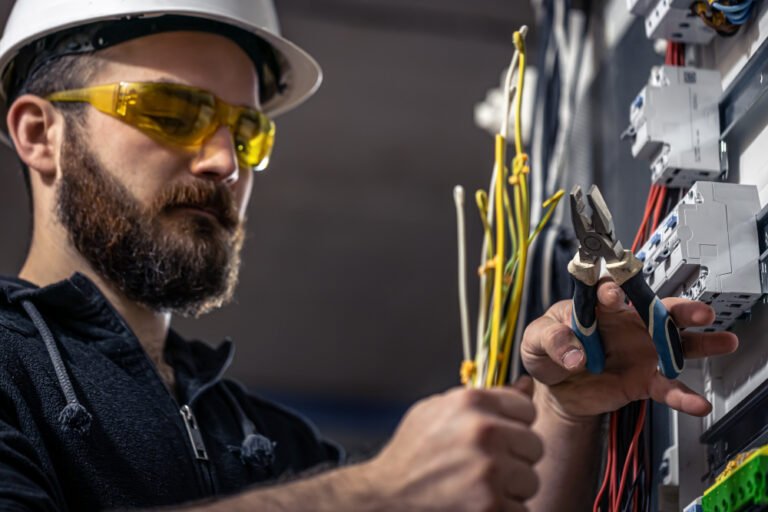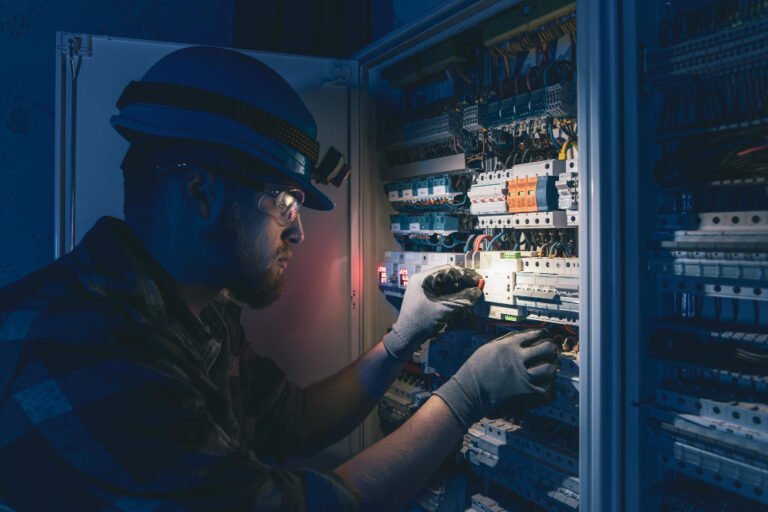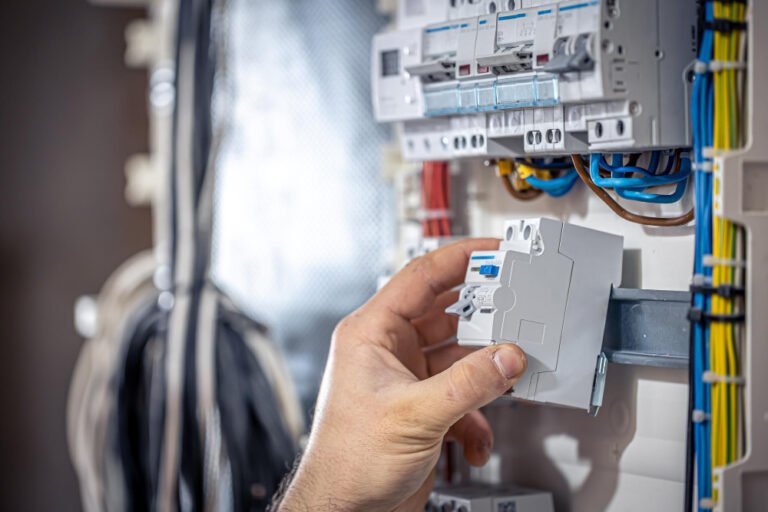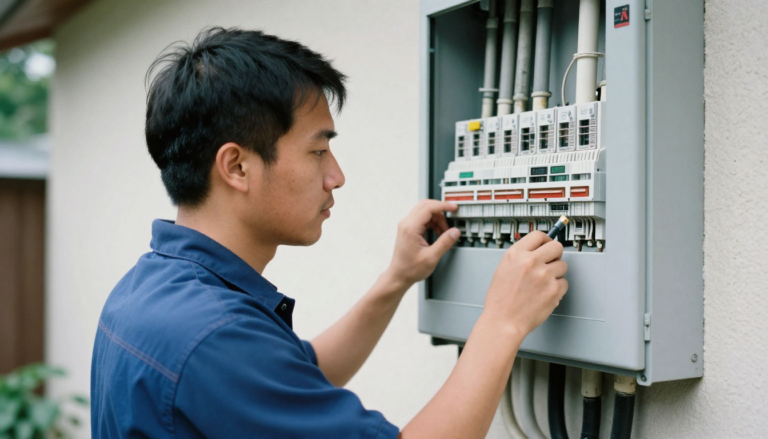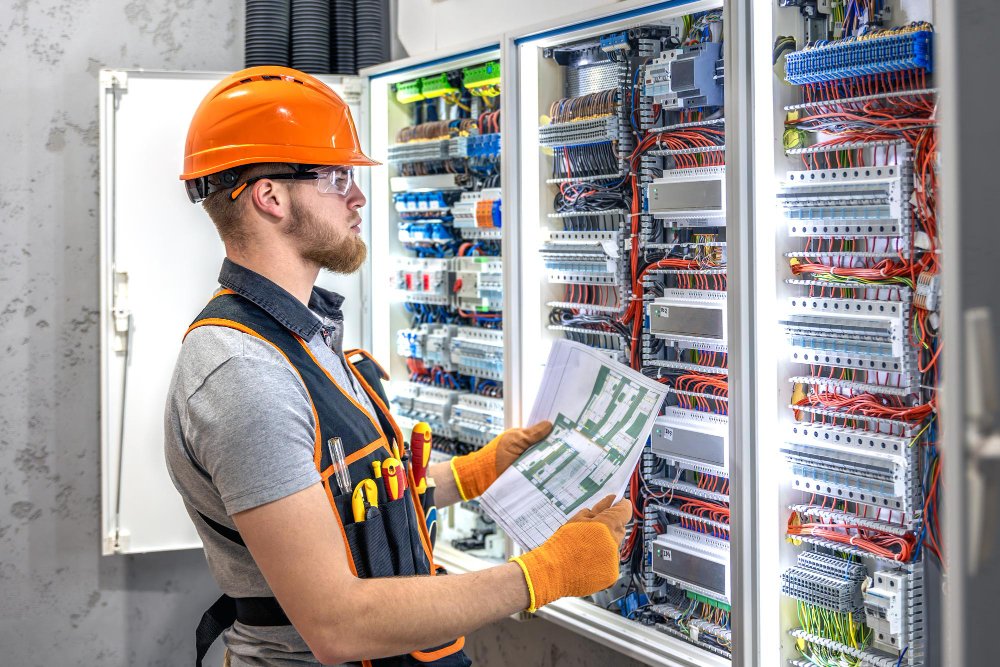
Your electrical panel is the heart of your home’s electrical system, distributing power safely to every room and appliance. As electrical demands increase with modern appliances, home offices, EV chargers, and smart home technology, older panels may struggle to keep up. When problems arise, homeowners often wonder whether a simple repair will solve the issue or if an electrical panel upgrade is the better long-term investment.
For homeowners in New York, especially those with older homes, understanding the difference between repairing and replacing an electrical panel can help improve safety, ensure code compliance, and prevent future electrical issues. This guide explains when an electrical panel replacement, breaker box upgrade, or fuse box replacement may be necessary and how to choose the right solution for your home.
What Does an Electrical Panel Do?
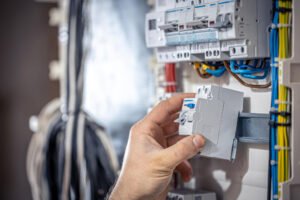
An electrical panel, sometimes called a breaker box, is the central hub that distributes electricity from the utility company to the circuits throughout your home. It also protects your electrical system by using circuit breakers to shut off power when a circuit becomes overloaded or experiences a fault.
As more electrical devices are added to a home, the panel must be able to safely handle the increased demand. If you’re unfamiliar with how residential electrical systems work, learning about home electrical services can provide a better understanding of the components that keep your home’s electrical system operating safely.
Common Signs Your Electrical Panel Needs Attention
Electrical panels typically provide years of reliable service, but they can develop problems as they age or when household electrical demands exceed their capacity.
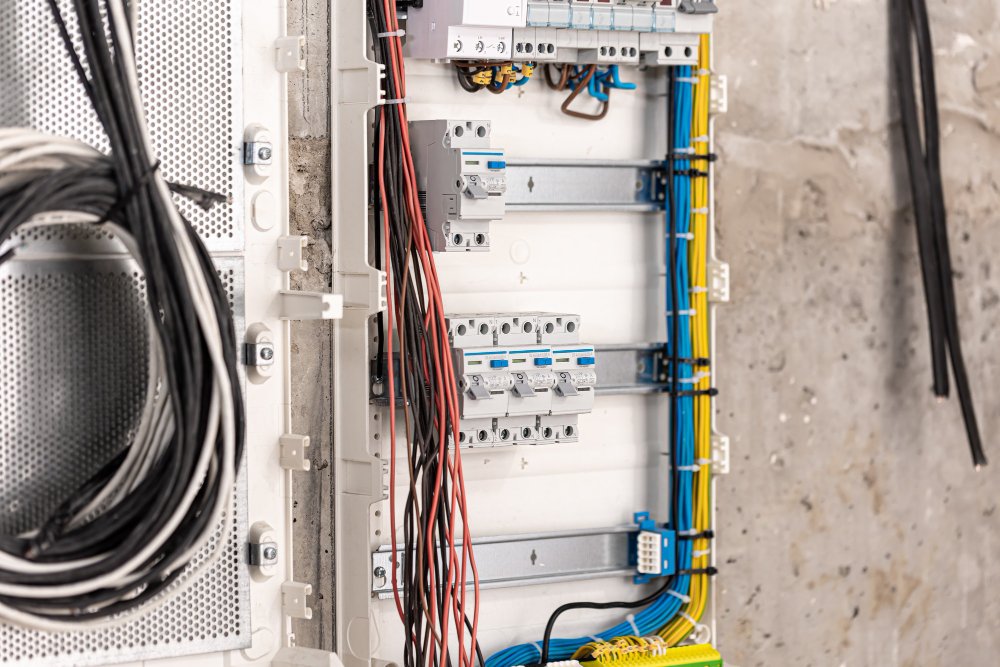
Some common signs include:
- Circuit breakers that trip frequently
- Flickering or dimming lights
- Burning smells near the electrical panel
- Warm or discolored breakers
- Rust or corrosion inside the panel
- Crackling or buzzing sounds
- An outdated fuse box
- Insufficient capacity for new appliances or renovations
Many of these issues are also common electrical repair signs that should be inspected promptly to prevent larger electrical problems.
Electrical Panel Repair vs. Electrical Panel Upgrade
Not every electrical panel problem requires a complete replacement. The best solution depends on the panel’s age, condition, and ability to support your home’s electrical needs.
| Electrical Panel Repair | Electrical Panel Upgrade |
| Replaces damaged breakers | Installs a higher-capacity panel |
| Fixes loose connections | Increases electrical capacity |
| Repairs minor component failures | Replaces outdated equipment |
| Lower upfront cost | Long-term safety and reliability |
| Suitable for newer panels | Recommended for aging or overloaded systems |
While repairs can resolve isolated issues, an electrical panel upgrade is often the better investment when the existing panel can no longer safely support modern electrical usage.
When Is an Electrical Panel Upgrade the Better Choice?
An electrical panel upgrade is often recommended when your home’s electrical system has outgrown the capacity of the existing panel or when safety concerns exist.
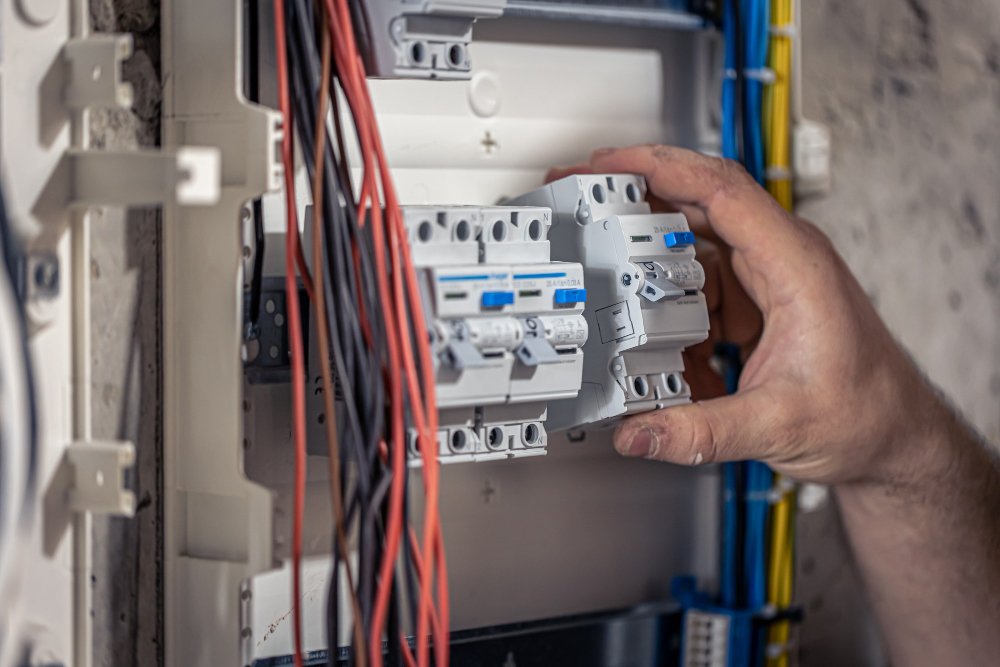
An upgrade may be the right choice if you are:
- Living in an older New York home with a 60-amp or 100-amp electrical service
- Installing an EV charger
- Renovating your home or adding new living space
- Upgrading to electric heating or major appliances
- Adding a home office with multiple electronic devices
- Experiencing repeated breaker trips due to increased electrical demand
- Planning future home improvements that require additional power
A breaker box upgrade provides additional capacity while helping your home’s electrical system meet current safety standards and future energy needs.
When Can an Electrical Panel Be Repaired?
Repairing an electrical panel is often appropriate when the panel is relatively new and the issue is limited to one or two components rather than the entire system.
Repairs may be suitable for:
- A faulty circuit breaker
- Loose electrical connections
- Minor corrosion that has not affected the panel’s performance
- Damaged bus bars or individual electrical components
- Isolated electrical faults identified during an inspection
A licensed electrician can determine whether repairing the existing panel is a safe and cost-effective solution or whether an upgrade would provide better long-term value.
Electrical Panel Replacement vs. Fuse Box Replacement
Many older homes throughout New York still have fuse boxes instead of modern breaker panels. While fuse boxes were once standard, they were not designed to handle today’s electrical demands.
A fuse box replacement involves removing the outdated fuse system and installing a modern breaker panel with improved safety features. An electrical panel replacement may also be necessary if an existing breaker panel has become damaged, obsolete, or no longer meets current electrical code requirements.
Replacing older equipment can improve electrical reliability, simplify maintenance, and provide sufficient capacity for modern appliances and home upgrades.
Electrical Panel Upgrade Costs in New York
The cost of an electrical panel upgrade varies depending on the size of the new panel, labor, permits, and the complexity of the installation.
| Service | Typical Cost Range |
| Circuit breaker replacement | $150–$500 |
| Electrical panel repair | $300–$1,000 |
| 100-amp panel upgrade | $1,500–$3,000 |
| 200-amp electrical panel upgrade | $2,000–$5,000+ |
| Electrical panel replacement | $2,000–$5,500+ |
| Fuse box replacement | $2,000–$5,500+ |
Costs may vary across New York, depending on permit requirements, labor rates, and the condition of the existing electrical system.
Benefits of Upgrading Your Electrical Panel
Investing in an electrical panel upgrade provides long-term advantages beyond simply increasing electrical capacity.
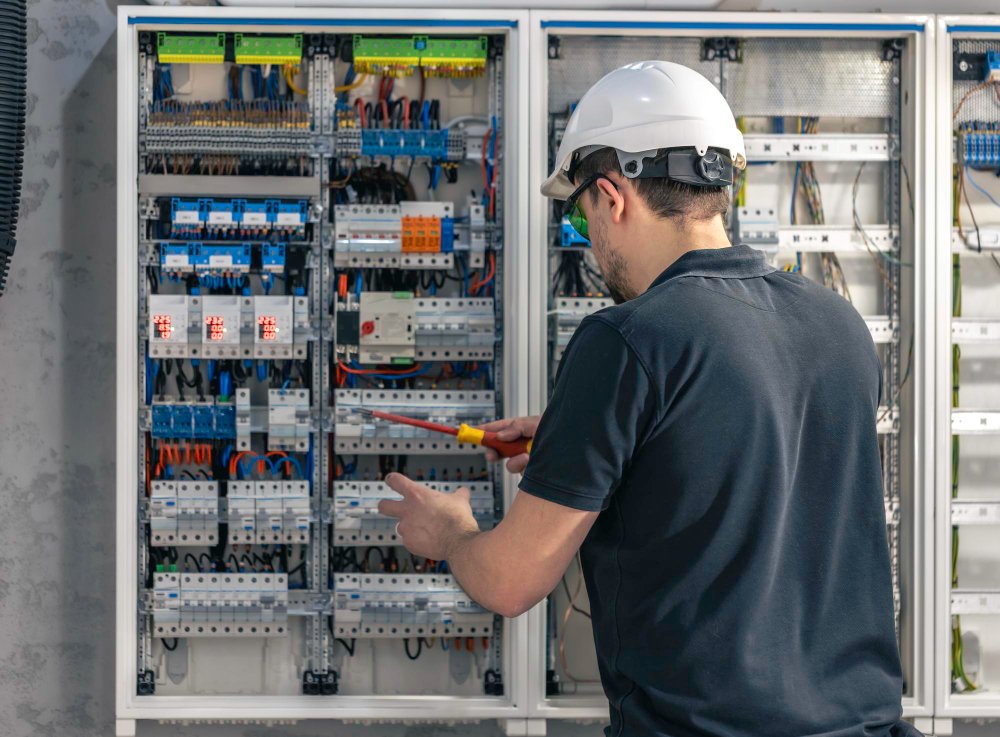
Some of the key benefits include:
- Improved electrical safety
- Reduced risk of overloaded circuits
- Better support for modern appliances and electronics
- Capacity for EV chargers and smart home technology
- Increased energy efficiency
- Greater reliability with fewer breaker trips
- Compliance with current electrical codes
- Added value for future home buyers
For many homeowners, upgrading the panel is an investment that improves both safety and the long-term functionality of the home.
How to Choose the Right Solution
Choosing between repairing and replacing your electrical panel depends on the age of the panel, the severity of the problem, and your future electrical needs.
A repair may be the right option if:
- The panel is relatively new.
- The problem is limited to a breaker or minor component.
- Your current electrical capacity is sufficient.
An electrical panel upgrade or electrical panel replacement is often the better choice if:
- Your panel is more than 25–30 years old.
- You still have a fuse box.
- Your home frequently experiences overloaded circuits.
- You’re planning renovations or installing high-powered equipment.
- Your panel no longer meets your household’s electrical demands.
A professional electrical inspection can help determine the safest and most cost-effective solution based on your home’s condition and future plans.
Conclusion
Choosing between an electrical panel upgrade and a repair depends on your home’s electrical needs, the condition of the existing panel, and your long-term plans. While minor issues can often be resolved through repairs, aging panels, outdated fuse boxes, and increasing power demands may make an electrical panel replacement or breaker box upgrade the smarter investment.
For homeowners throughout New York, upgrading an outdated electrical panel can improve safety, increase electrical capacity, and prepare the home for future technologies such as EV chargers and smart home systems. If you’re unsure which option is right for your property, a licensed electrician can assess your electrical system and recommend the most appropriate solution.
Frequently Asked Questions
The average cost of an electrical panel upgrade ranges from $2,000 to $5,000 or more, depending on the panel size, labor, permits, and the complexity of the installation. Larger upgrades or older homes may cost more.
Yes, in many cases you can upgrade your electrical panel without rewiring the entire house if the existing wiring is in good condition and meets current safety standards. An electrician can determine if rewiring is necessary during an inspection.
Homes with electrical wiring that is 30 to 50 years old may benefit from an inspection to determine if rewiring is needed. Factors such as the condition of the wiring, electrical usage, and previous upgrades are more important than the home’s age alone.
Common signs include frequently tripping breakers, flickering lights, rust or corrosion, burning smells, an outdated fuse box, or insufficient capacity for modern appliances. These issues may indicate it’s time for an electrical panel inspection or upgrade.