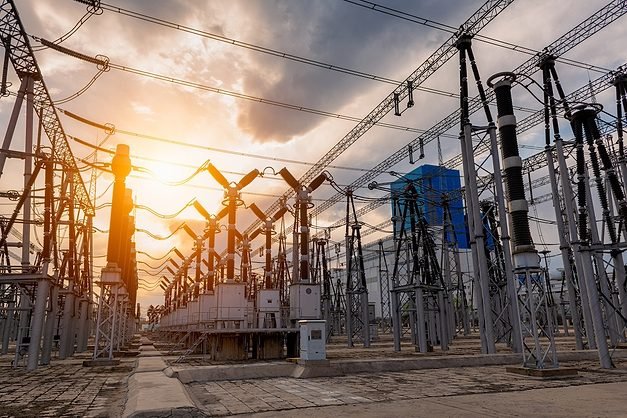
New York’s plans to expand its clean energy supply are facing a new area of uncertainty as trade tensions between the United States and Canada continue to develop. The situation has drawn attention to the state’s reliance on Canadian electricity imports and the future of a major hydropower project designed to supply the New York City metropolitan area.
The issue centers on the Champlain Hudson Power Express (CHPE), a multibillion-dollar transmission project intended to bring hydropower from Quebec into New York. While the project is expected to support the state’s clean energy goals, changing relations between the two countries have raised questions about the potential risks associated with depending on energy supplies from across the border.
Champlain Hudson Power Express and New York’s Clean Energy Plans
The Champlain Hudson Power Express is designed to transport electricity generated by hydropower facilities in Quebec to the New York City metropolitan area.
New York officials have promoted the project as an important part of the state’s transition toward lower-carbon electricity. The transmission system is expected to deliver approximately 10.4 terawatt-hours of clean electricity annually to the New York metropolitan area.
The project is also expected to help reduce greenhouse gas emissions over the coming decades while providing an additional source of electricity for one of the country’s largest urban regions.
For New York, the project represents a significant investment in expanding access to renewable power. However, its reliance on electricity generated in Canada also means that broader cross-border relations could become an important consideration.
U.S.-Canada Trade Disputes Create New Energy Concerns
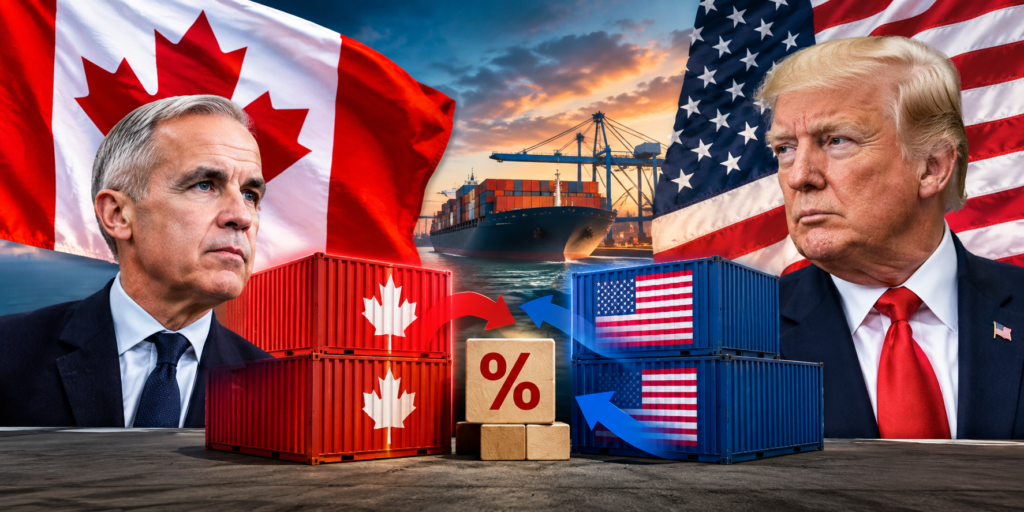
Relations between the United States and Canada have become more complicated amid disagreements over tariffs and trade policy.
Although there has been no confirmed decision to stop Canadian hydropower exports to New York, statements from Canadian political figures have fueled discussion about whether energy could become part of future economic disputes.
Ontario Premier Doug Ford has previously discussed potential measures involving energy exports in response to U.S. trade policies. Other Canadian officials have also acknowledged the importance of energy exports to the relationship between the two countries.
These developments do not necessarily mean that New York’s electricity supply is immediately threatened. However, they highlight how energy infrastructure that crosses international borders can be affected by diplomatic and economic developments outside the control of state authorities.
New York Already Relies on Canadian Electricity Imports
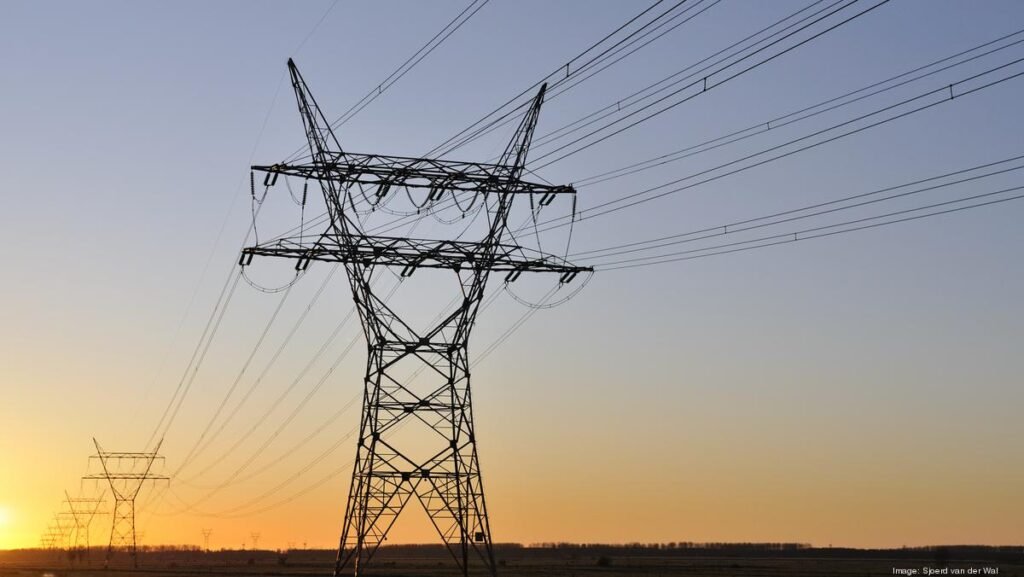
The concern is particularly significant because Canada plays a role in New York’s electricity supply.
Canadian electricity accounts for a portion of New York State’s electricity imports, making cross-border power transmission an established part of the region’s energy system.
For decades, the United States and Canada have maintained closely connected energy markets. Electricity, natural gas and other energy resources regularly move across the border, creating economic benefits for both countries.
The current trade dispute has nevertheless brought renewed attention to the potential vulnerabilities that can accompany this level of interconnectedness.
Energy Security Becomes Part of the Clean Energy Discussion
New York has made substantial investments in renewable energy and infrastructure as it works toward its environmental objectives. Projects involving hydropower, offshore wind, solar generation and transmission infrastructure are expected to play important roles in the state’s long-term energy strategy.
The debate surrounding CHPE illustrates one of the challenges involved in building a modern energy system.
Renewable energy projects can reduce dependence on fossil fuels, but energy security also depends on the reliability and diversity of electricity sources. When a major supply source crosses an international border, geopolitical and trade considerations can become additional factors.
That does not necessarily make cross-border energy projects impractical. Instead, it emphasizes the importance of maintaining a diversified electricity system capable of responding to unexpected disruptions.
What the Situation Could Mean for New York
The immediate impact of the U.S.-Canada trade dispute on CHPE remains uncertain. The project continues to represent a major component of New York’s clean energy plans, and there has been no confirmed move to halt Canadian hydropower deliveries.
Nevertheless, the controversy has highlighted questions about how governments should balance environmental goals with energy reliability.
For policymakers, the situation could encourage greater attention to the diversity of electricity sources, the resilience of transmission infrastructure and the potential consequences of international trade disputes.
For residents and businesses, reliable electricity remains the central concern. Any significant disruption to energy supplies could have consequences extending beyond household utility bills, potentially affecting commercial operations, transportation systems and other parts of the regional economy. New York’s broader business environment also includes major events such as NYFW 2026, which highlighted women-led fashion and technology innovation, where dependable infrastructure can support the businesses, venues and organizations involved.
The Importance of Diversifying Energy Sources
The developments involving Canadian electricity demonstrate why energy planning often requires consideration of multiple risks at the same time.
Environmental goals, affordability, infrastructure capacity, international relations and energy security can all influence decisions about how electricity is generated and delivered.
New York’s clean energy transition does not necessarily depend on a single project or energy source. Maintaining a diverse portfolio of generation and transmission options can provide greater flexibility if individual sources face unexpected challenges.
As CHPE moves forward, its role in New York’s energy system will likely continue to attract attention from policymakers, businesses and residents interested in both sustainability and reliability.
Conclusion
The Champlain Hudson Power Express represents an important investment in New York’s clean energy infrastructure, but the project also illustrates the complexities of relying on cross-border energy systems.
Growing trade tensions between the United States and Canada have not resulted in a confirmed interruption of Canadian hydropower to New York. However, the discussion has highlighted the need to consider geopolitical and economic risks alongside environmental objectives.
As New York continues expanding its clean energy infrastructure, maintaining a diverse and resilient electricity supply will remain important. The experience surrounding CHPE could serve as a reminder that long-term energy planning involves more than choosing cleaner sources—it also requires considering reliability, infrastructure and the changing relationships between energy-producing regions.
FAQs
Canada is an established source of electricity imports for New York. Cross-border energy trading has been an important part of the electricity relationship between the two countries for many years.
There has been discussion among Canadian political figures about using energy exports as a potential response to U.S. trade policies, but this does not mean that Canadian electricity supplies to New York have been confirmed for termination.
Diversifying electricity sources can help reduce the impact of disruptions affecting a particular generation source, transmission route or supplier. It can also give policymakers more flexibility as energy demand and market conditions change.