Many homeowners only think about their plumbing system when something goes wrong. A leaking pipe, clogged drain, or failed water heater often demands immediate attention, but these emergencies rarely happen without warning. In many cases, small issues develop gradually over time and go unnoticed until they result in costly repairs or significant water damage.
Scheduling a plumbing inspection in New York each year is one of the most effective ways to identify hidden problems before they become expensive emergencies. From aging pipes in historic brownstones to modern plumbing systems in apartments and single-family homes, routine inspections help ensure every component is functioning properly and efficiently.
Whether you’re a homeowner, landlord, property manager, or preparing to purchase a home, annual plumbing inspections can protect your investment, improve system performance, and reduce the likelihood of unexpected repair bills. This guide explains why regular inspections are worthwhile, what they include, and how they can save thousands of dollars over the life of your plumbing system.
What Is a Plumbing Inspection?
A plumbing inspection is a comprehensive evaluation of a property’s plumbing system performed by a qualified professional. The goal is to identify existing issues, potential failures, and areas that may require maintenance or future repairs.
Depending on the property’s size and age, an inspection may include:
- Water supply lines
- Drain and sewer lines
- Faucets and fixtures
- Toilets
- Water heaters
- Garbage disposals
- Sump pumps
- Pipe connections
- Water pressure testing
- Leak detection
- Shut-off valves
- Outdoor plumbing fixtures
A thorough inspection provides homeowners with a better understanding of the overall condition of their plumbing system.
Why Annual Plumbing Inspections Matter
Many plumbing issues begin as minor problems that are difficult to detect without professional expertise. An annual inspection allows plumbers to identify these concerns early, reducing the risk of costly damage.
Benefits include:
- Detecting hidden leaks
- Preventing water damage
- Improving water efficiency
- Extending the lifespan of plumbing fixtures
- Reducing emergency repairs
- Maintaining healthy water quality
- Lowering long-term maintenance costs
Routine inspections also provide peace of mind by confirming that the plumbing system is operating safely and efficiently.
Common Problems Found During Plumbing Inspections
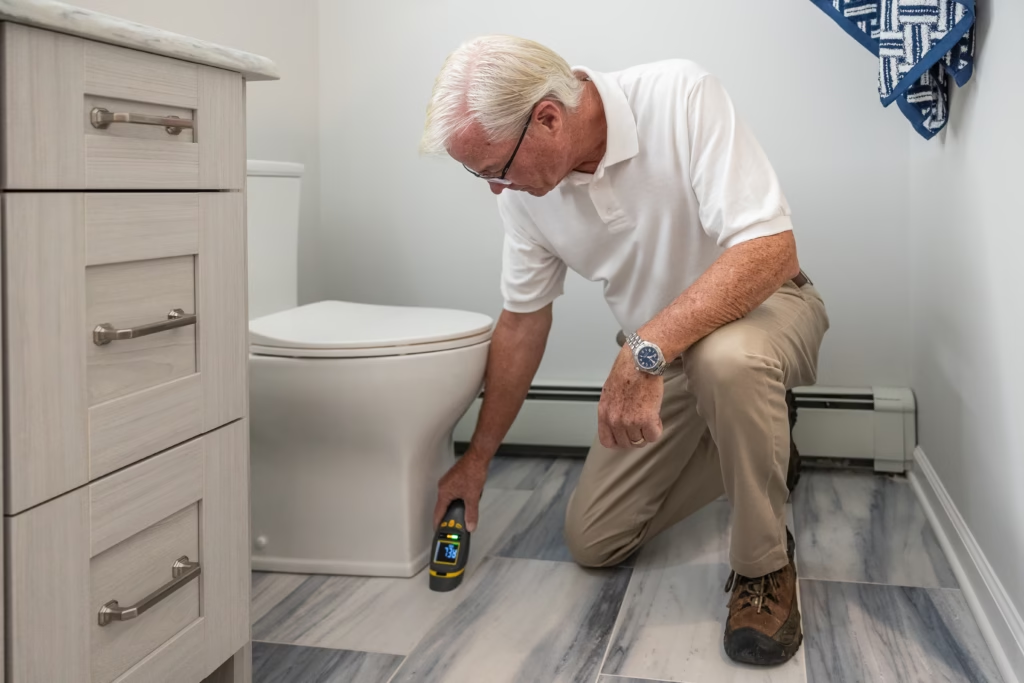
Hidden Pipe Leaks
Small leaks behind walls, beneath floors, or inside ceilings often remain unnoticed until water damage becomes visible.
Early detection helps prevent:
- Mold growth
- Structural damage
- Rotting wood
- Damaged insulation
- High water bills
Pipe Corrosion
Many older New York homes contain aging plumbing materials that naturally deteriorate over time.
An inspection can identify:
- Rust
- Corrosion
- Weak pipe joints
- Early signs of pipe failure
Replacing worn components before they fail can prevent costly emergency repairs.
Water Heater Issues
Water heaters often show subtle warning signs before breaking down completely.
During an inspection, a plumber may evaluate:
- Tank condition
- Water temperature
- Pressure relief valve
- Sediment buildup
- Signs of leaks
- Ventilation (if applicable)
Routine inspections can extend the life of a water heater and improve its efficiency.
Drain Blockages
Slow drains often indicate developing blockages that can eventually cause backups.
Professional inspections help identify:
- Grease buildup
- Soap residue
- Hair accumulation
- Tree root intrusion
- Sewer line concerns
Addressing these issues early reduces the likelihood of emergency drain repairs.
Water Pressure Problems
Both high and low water pressure can damage plumbing fixtures and appliances over time.
Inspectors typically evaluate:
- Pressure regulators
- Supply lines
- Fixture performance
- Potential leaks affecting water pressure
Maintaining proper pressure helps extend the lifespan of the plumbing system.
How Plumbing Inspections Save Homeowners Money
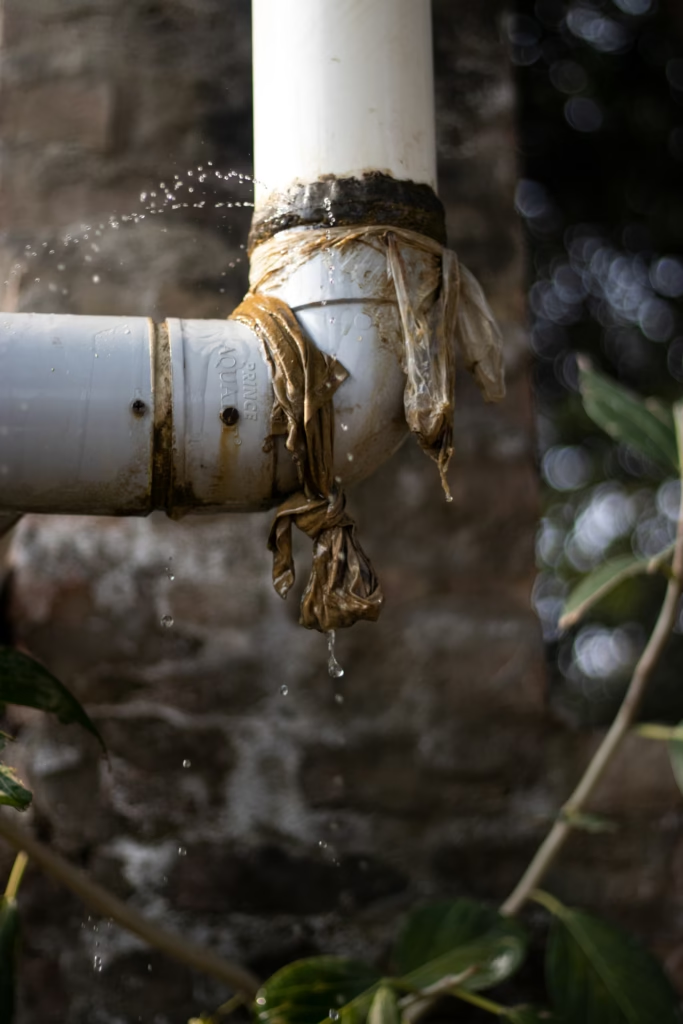
Prevent Expensive Water Damage
A small leak can cause significant damage if left untreated.
Early detection helps avoid costly repairs involving:
- Flooring
- Cabinets
- Drywall
- Ceilings
- Electrical systems
- Personal belongings
Repairing a minor leak is typically far less expensive than restoring water-damaged areas of the home.
Reduce Emergency Plumbing Repairs
Emergency plumbing services often cost more than scheduled maintenance due to after-hours labor and urgent response requirements.
Routine inspections identify problems before they require immediate attention, allowing homeowners to schedule repairs at a convenient time.
Extend the Life of Plumbing Fixtures
Regular maintenance helps maximize the lifespan of:
- Water heaters
- Faucets
- Toilets
- Pipes
- Garbage disposals
- Shut-off valves
Replacing inexpensive components before they fail can delay the need for larger system replacements.
Improve Water Efficiency
Undetected leaks and inefficient fixtures waste water and increase monthly utility bills.
A professional inspection can identify opportunities to improve efficiency by:
- Repairing leaks
- Replacing worn fixtures
- Adjusting water pressure
- Recommending water-saving upgrades
These improvements can lower water consumption and reduce ongoing operating costs.
Who Should Schedule Annual Plumbing Inspections?
Annual inspections are beneficial for nearly every property owner, but they are especially valuable for:

Homeowners
Routine inspections help maintain the home’s plumbing system and reduce unexpected repair costs.
Landlords
Preventive maintenance minimizes tenant complaints and protects rental properties from water damage.
Property Managers
Regular inspections help manage maintenance budgets and reduce emergency service calls.
Homebuyers
Scheduling an inspection before purchasing a property can reveal hidden plumbing issues that may affect the home’s value or require future repairs.
Owners of Older Homes
Properties with aging plumbing systems benefit from regular evaluations to monitor pipe condition and identify wear before failures occur.
How Often Should Plumbing Be Inspected?
While annual inspections are recommended for most homes, certain situations may require more frequent evaluations.
Consider scheduling inspections:
- Every year for routine maintenance
- Before purchasing a home
- Before major renovations
- After severe winter weather
- Following significant plumbing repairs
- If the property is more than 25 years old
- When recurring plumbing problems occur
Regular inspections allow homeowners to stay ahead of developing issues rather than reacting after damage has already occurred.
Signs You Should Schedule an Inspection Immediately
Don’t wait for your annual inspection if you notice:
- Unexplained increases in water bills
- Low water pressure
- Slow drains
- Water stains on walls or ceilings
- Musty odors
- Rust-colored water
- Frequently clogged drains
- Running toilets
- Dripping faucets
- Noisy pipes
These symptoms may indicate underlying plumbing problems that require professional evaluation.
Plumbing Inspection vs. Plumbing Repair
Many homeowners confuse inspections with repairs, but they serve different purposes.
| Plumbing Inspection | Plumbing Repair |
| Identifies existing and potential problems | Fixes existing plumbing issues |
| Focuses on prevention | Focuses on restoring functionality |
| Helps reduce future repair costs | Addresses current damage |
| Usually scheduled annually | Performed when problems occur |
Regular inspections often reduce the need for extensive plumbing repair in New York by identifying issues before they worsen.
Tips for Maintaining Your Plumbing Between Inspections
While annual inspections are essential, homeowners can also reduce plumbing problems by following simple maintenance practices.
- Check under sinks for leaks.
- Avoid pouring grease down drains.
- Use drains strainers.
- Flush the water heater annually if recommended.
- Monitor water pressure.
- Insulate exposed pipes before winter.
- Test shut-off valves periodically.
- Repair small leaks promptly.
Combining routine maintenance with professional inspections provides the best long-term protection.
Conclusion
An annual plumbing inspection in New York is a proactive investment that can help homeowners avoid costly repairs, extend the life of their plumbing system, and improve overall efficiency. By identifying hidden leaks, pipe corrosion, water heater issues, and drainage problems before they escalate, routine inspections provide long-term savings and greater peace of mind.
Whether you own a single-family home, condominium, apartment, or rental property, combining regular plumbing maintenance with professional inspections can reduce emergency repairs and protect your property’s value. Taking preventive action today is often far less expensive than dealing with major plumbing problems tomorrow.
Frequently Asked Questions
Most homeowners should schedule a professional plumbing inspection once a year to identify hidden problems, improve efficiency, and prevent costly repairs.
A plumbing inspection typically includes evaluating pipes, drains, fixtures, water heaters, shut-off valves, water pressure, and checking for leaks or signs of wear.
Yes. Identifying small issues before they become major problems can help homeowners avoid expensive water damage and emergency repairs.
Older homes with aging pipes or outdated plumbing systems may benefit from inspections more than once a year, depending on their condition.