A strong roof is an essential investment in any property within New York. With extreme snowfall, cold winters, harsh winds, hot summers, and rainfall, roofs across New York have to endure tough weather all through the year. Be it a private residence located in Brooklyn, an apartment complex in Manhattan, a commercial building in Queens, or even a business in the Bronx and Staten Island, getting professional roof services is crucial to securing your property, enhancing energy efficiency, and preserving the property’s worth.
Regardless of whether you need roof repair, roof replacement, regular roof inspections, emergency roofing services, or roof maintenance, knowing what roofing services are available will help you make wise choices when small roofing issues could otherwise develop into major structural problems.
This guide highlights the most common roofing services offered in New York, gives comparisons between roof repair and replacement, examines the popular roofing materials and gives valuable tips for residents, property managers, commercial buildings’ owners, and developers.
What Are Roofing Services?
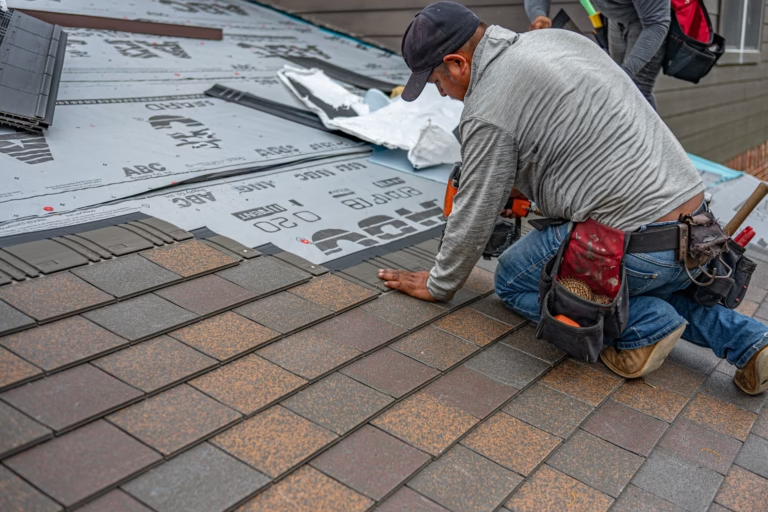
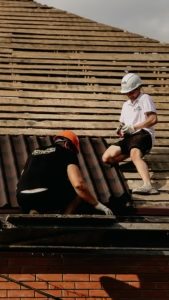
Professional roofing service encompasses all activities involved in roofing from installation to replacement. Professional roofer assesses the status of the roofing and determines any existing or future problems, proposes the best method of fixing the problem, and carries out repair works that meet New York regulations.
Some common roofing services include:
- Roof repair
- Roof replacement
- Roof installation
- Roof inspections
- Emergency roofing services
- Roof maintenance
- Storm damage repair
- Roof leak detection
- Flashing repair
- Gutter and roof ventilation inspections
Roofing maintenance can assist in extending the life of your roof, enhance its insulation efficiency, minimize any repairs that may arise unexpectedly, and protect your roof from any moisture damage due to the changeable weather in New York.
Residential vs. Commercial Roofing in New York
Even though both residential and commercial roofs have the same function of shielding the building from the weather conditions, there is a marked difference between them regarding design, construction, roof materials, maintenance, and repairs.
Residential Roofing Services
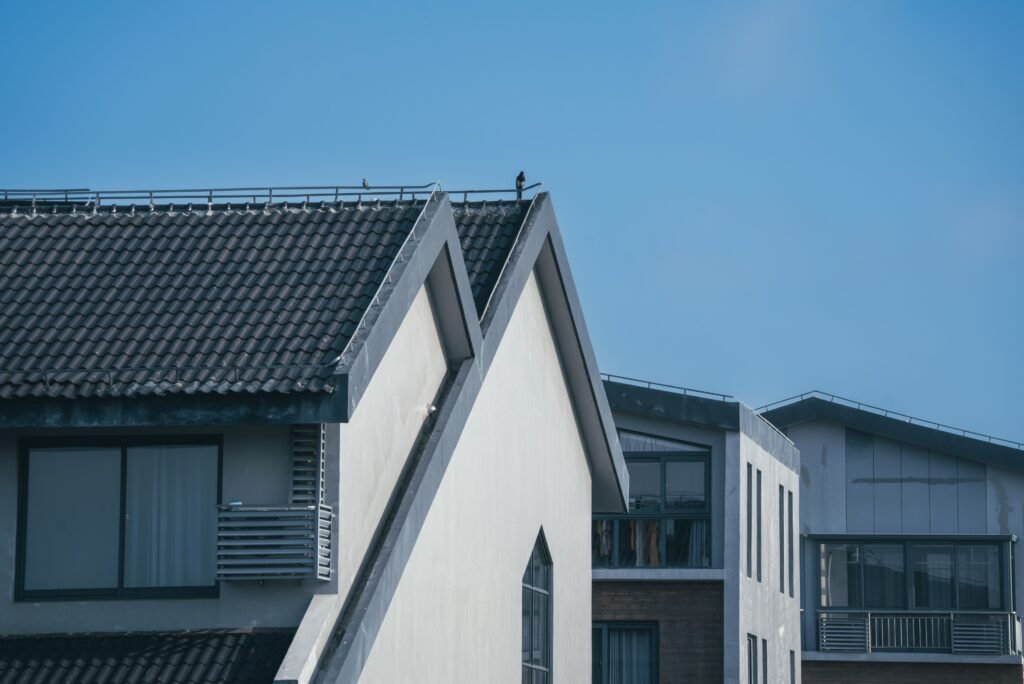
New York residential roofs are typically made using sloped roofs that effectively shed water, snow, and ice and improve the aesthetics of the building. Based on the architecture and neighborhood, the roof can be made of asphalt shingles, metal, slate, or any other high-quality material.
Common residential roofing services are:
- Asphalt shingle installation
- Metal roofing installation
- Slate roofing
- Roof repairs
- Roof replacement
- Storm damage repair
- Ice dam repair
- Annual roof inspections
Commercial Roofing Services
Most commercial properties in New York have a flat or low slope roof system which requires unique methods of installation and maintenance.
The most common commercial roofing services include:
- Flat roof installation
- TPO roofing systems
- EPDM roofing
- PVC roofing
- Preventive maintenance programs
- Leak detection
- Commercial roof replacement
Because commercial roofs often support HVAC equipment, drainage systems, and rooftop utilities, they generally require more frequent inspections to prevent water intrusion and structural deterioration.
Roof Repair vs. Roof Replacement
The decision about whether to repair or replace a roof depends on the age and state of the roof.
Roof Repair Is Often the Best Option When:
- Damage is limited to a small area
- A few shingles have blown off during a storm.
- Minor roof leaks are discovered early.
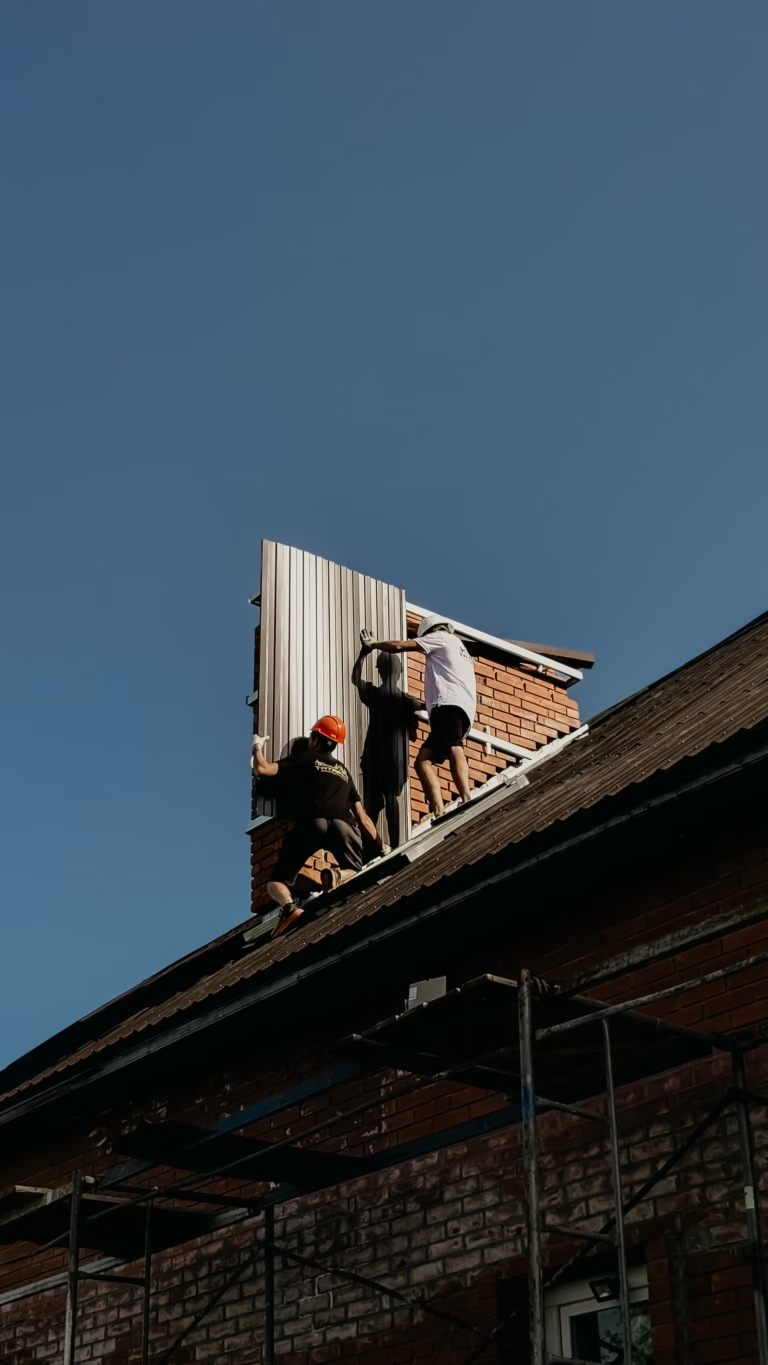
- Flashing around chimneys or vents needs replacement.
- Wind or storm damage is localized.
By fixing roofs before the problem worsens, you ensure that water cannot enter the building and avoid paying for more costly repairs in the future.
Roof Replacement May Be the Better Choice When:
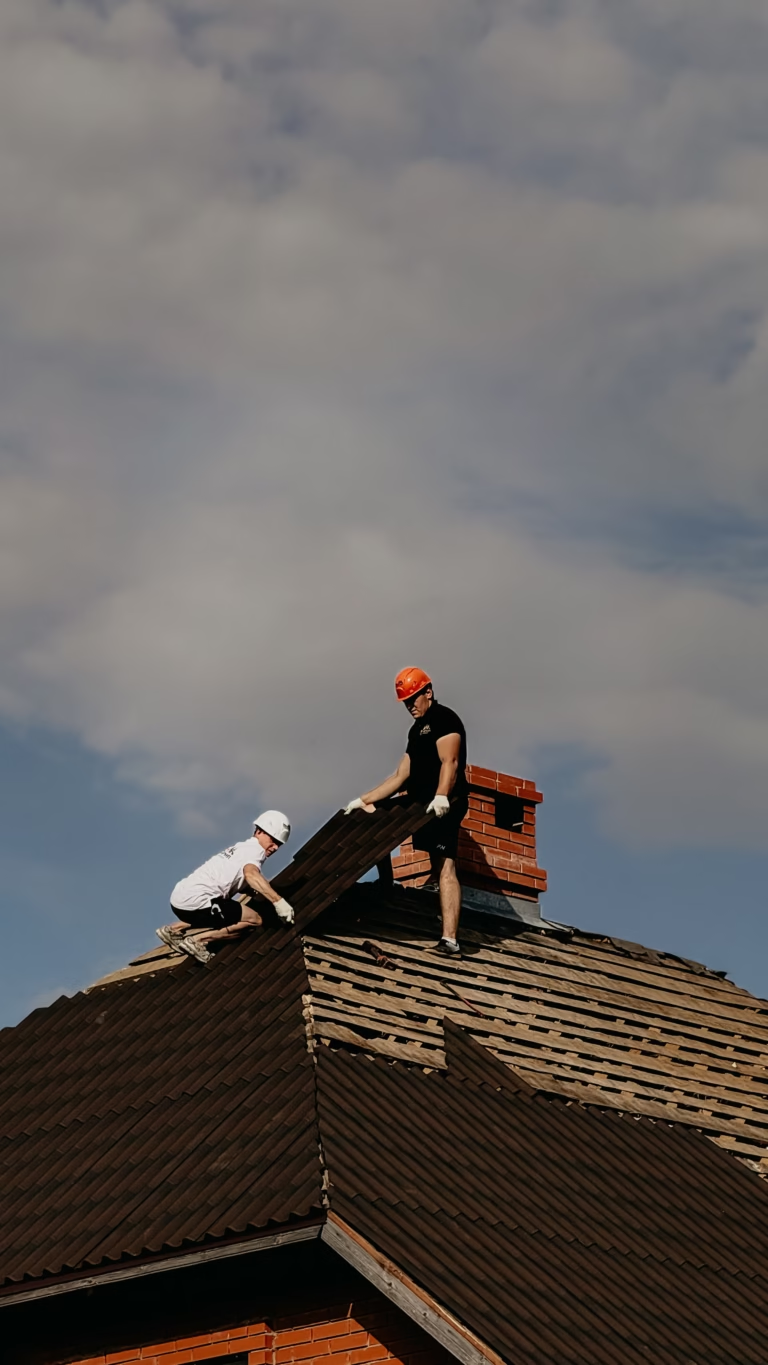
- The roof has reached the end of its expected lifespan
- Multiple leaks occur throughout the roof.
- Structural damage is identified.
- Large portions of the roofing system are deteriorating.
- Repairs have become frequent and increasingly expensive.
The benefits of having a new roof include long-lasting protection, better energy efficiency, added curb appeal, and increased property value.
Popular Roofing Materials in New York
Roofing material is crucial in New York since the roof is required to withstand rain, snow, ice, strong winds, and fluctuating temperatures.
Asphalt Shingles
- Cost-effective
- Widely used across New York
- Easy to repair
- Lifespan of approximately 20–30 years
Metal Roofing
- Highly durable
- Excellent snow shedding capability
- Energy efficient
- Resistant to severe weather
- Lifespan of 40–70 years
Slate Roofing
A popular choice for many historic homes and upscale properties throughout New York.
- Premium appearance
- Extremely durable
- Fire resistant
- Low maintenance
- Lifespan of 75–100 years or more
Clay and Concrete Tile
Although less common in New York than in warmer climates, tile roofing is occasionally used on specialty residential properties.
- Long-lasting
- Fire resistant
- Attractive architectural appearance
- Lifespan exceeding 50 years
Flat Roofing Systems
Many commercial buildings throughout New York rely on flat roofing systems, including:
- TPO
- EPDM
- PVC
- Modified Bitumen
These roofing systems require professional installation and ongoing maintenance to maximize performance and prevent leaks.
Roof Replacement Cost in New York
Cost of Roof Replacement in New York is influenced by several factors, such as:
- Roof size
- Roofing material selected
- Roof pitch and complexity
- Labor costs
- Existing roof removal
- Structural repairs
- Permit requirements
- Accessibility of the property
Upgrades like enhanced insulation, skylights, ventilation, gutters, or even flashing replacement may have an impact on the total cost of the project as well.
The best way to calculate the cost of roof replacement is by conducting a complete roof inspection and receiving a thorough estimate from a professional roofer.
Roof Inspection Process
Roof inspection is necessary to detect any hidden problem at an earlier stage.
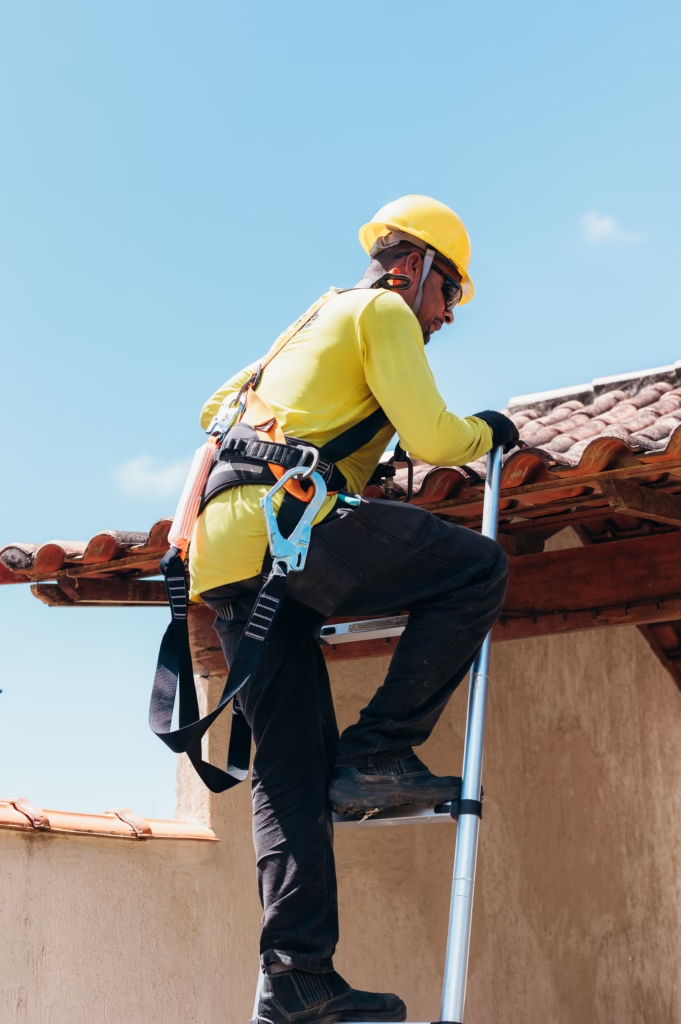
A professional roof inspection typically includes:
- Exterior roof assessment
- Inspection of shingles or roofing materials
- Flashing evaluation
- Roof leak detection
- Gutter inspection
- Ventilation assessment
- Structural evaluation
- Interior attic inspection
Roofing experts in New York suggest that homeowners should conduct their roof inspections at least once every year and after major weather conditions like snowstorms, hurricanes, heavy rains, or strong winds.
Emergency Roof Repair
Unexpected roofing problems can leave your building vulnerable to water infiltration and physical damage within a few hours.
Roofing emergencies are most often required in the following situations:
- Felled trees
- Damage from strong winds
- Heavy rains
- Damage caused by snow and ice
- Damage caused by fire
- Missing roofing materials
- Roof leaks resulting from storms
- Roof repair in emergencies involves installing a temporary roof to keep the roof safe until the weather permits inspection and repairs.
- It prevents interior damage to the property and also helps prevent the formation of mold and insulation.
- Tips for Roof Maintenance
- Roof maintenance is the most effective way to extend the lifespan of the roof.
- The kind of roof maintenance that needs to be carried out include:
- Schedule yearly roof inspection.
- Remove leaves and debris from the roof.
- Clean gutters and downspouts.
- Cut back overhanging tree branches.
- Inspect flashing at chimneys and roof penetrations.
- Fix any small leaks as soon as possible.
- Check the roof after snow, rain or windstorms.
Regular maintenance minimizes the chances of emergency maintenance works. It safeguards your investment in all the seasons of New York.
How to Choose a Roofing Contractor in New York
The choice of an appropriate roofer can be considered as significant as selecting appropriate roofing material.
Before choosing the roofing business you should pay attention to:
- Check for licensing and insurance.
- Check for experience with roofing projects in New York.
- Check for reviews and testimonials.
- Get written estimates.
- Inquire about warranties for materials and workmanship.
- Inspect previous roofing projects.
- Inquire about project timeline and communication.
- Check for knowledge about building codes and permits.
Collaborating with an experienced roofing contractor in New York will make sure that your roofing project is done in a safe and efficient manner.
Conclusion
Whether your needs are small repairs to roofs, complete roof replacement, regular roof inspection services, emergency roof services, or regular roof maintenance, utilizing roof services will be a very smart move to ensure that your property stays well-preserved under the harsh weather conditions in New York.
Being aware of the differences between residential roofing services and commercial roofing services, choosing the right roofing materials, and hiring the right roofing contractors can be very helpful for making wise decisions related to your home. The regular roof inspections and quick fixes of all storm damage and preventive roof maintenance are the most effective ways to increase the longevity of any roof.
Frequently Asked Questions
The cost of replacing a roof on a 5,000-square-foot home in New York depends on the roofing material, roof design, accessibility, labor rates, and the extent of any structural repairs. Many large residential roof replacement projects can range from approximately $30,000 to $90,000 or more. A professional roof inspection and written estimate provide the most accurate pricing.
Roofing costs vary depending on the type of work required. Minor roof repairs may cost several hundred dollars, while complete roof replacements can cost tens of thousands of dollars. Factors such as roofing materials, project complexity, labor rates, permits, and the property’s location all influence the final price.
Spring, summer, and early fall generally provide the best weather conditions for roofing projects in New York. While some contractors may offer competitive pricing during slower seasons, weather conditions and emergency repair needs often determine the ideal time for scheduling roofing work.
The most common roofing systems include asphalt shingles for residential homes, metal roofing for enhanced durability, slate roofing for historic and luxury properties, and flat roofing systems such as TPO, EPDM, PVC, and Modified Bitumen for commercial buildings. The best option depends on the property’s design, budget, and long-term maintenance goals.